
The AC drain line can get backed up, and then the floor in the closet may feel wet. The air handler pan may fill up and water can go under the baseboards. A slab leak can cause a spot on the tile to feel warm and damp.
In Orlando, one of the biggest mistakes after a leak is acting like drying is just a guess. A room may feel normal at first. But the bottoms of the drywall, the cabinet toe-kicks, and the slab edges can still keep moisture in them.
Water damage cleanup and mold removal are linked, but they are not the same thing. In Central Florida, drying your place by opening windows can cause trouble. That is because humid air from outside can end up on cool walls or floors inside.
Key Highlights
-
In Orlando, dew points are often close to indoor temperatures. This means water can show up even if there is not a big leak.
-
HVAC systems are a big reason for water inside. The drain lines can get blocked. Pans can spill over. Ducts can drip with water.
-
When it feels “dry to the touch,” that does not always mean it is dry inside the wall, the floor under the surface, or at the edge of the slab.
-
The best order to follow is: stop the source, extract water, set containment if mold is likely, dry with dehumidification, confirm moisture readings, then rebuild.
-
Florida rules separate mold assessment from mold remediation to reduce conflicts of interest.
Book an inspection with Fast Mold Testing Orlando.
Why Orlando Water Damage Turns Into Mold Fast
Orlando humidity can change how things work in your home. Dew point is the temperature where the air holds as much water as it can, and water starts to turn into droplets. In summer, the dew point outside is often in the low to mid 70s. If you cool your house down to the low 70s, wet spots may show up on surfaces even after you fix the clear leak.
That extra moisture from condensation slows drying. It can make new damp spots appear. This happens while you think you are fixing the first problem.
Fans alone will not fix this. Fans move the air, but they do not take out the water from it. To make the place dry, you need to get the water out of the air. When the air inside is drier than the wet things, the water comes out of those things. This happens because dehumidification makes the air dry enough to pull water from all the wet areas. If fans are just blowing air, the water can stay on the surface.
Orlando materials can also hold moisture in ways that people do not always see.
-
Drywall can feel dry on the front, but the back side might still be wet.
-
Baseboards can pull water up behind the paint.
-
Concrete and tile can hold on to water inside. It takes time for this kind of moisture to go away.
Common Orlando Water Loss Patterns
Orlando often has the same water problems happening again and again. If you know this pattern, it will be easier for you to find where the trouble is.
AC Condensate Problems In Closets And Garages
AC systems take water from the air each day. This water should go out through a condensate line. In Orlando, these drain lines can get clogged with slime. A clog may make the pan overflow fast.
These things can be tricky because water can flow for days before you find a mark on the ceiling or see a puffy baseboard. When you notice it, the bottom of the wall and the floor under the air handler may be wet already.
If your system has a second float switch, it will shut down the unit when water goes up in the pan. If it does not work or it is not there, damage can keep happening.
“Sweating” Ducts And Air Handlers In Unconditioned Spaces
If the duct insulation is too thin, torn, or pressed down, cold ducts in a hot attic may start to sweat. The dripping can look like a roof leak. It may drip in the same place each time the system works.
Plumbing Failures That Create Hidden Wet Walls
Small leaks can keep going for weeks. In Orlando, slab leaks happen too. A slab leak can make the concrete wet. Then, water can move up into the bottom of walls and the edges of your floors.
If you notice that the bottom of the same wall stays damp again and again, or if one spot on the floor always feels warm and wet, do not think it is just because you live in Florida.
The 1-2 business days Reality In Orlando
Warm weather helps microbes grow faster. When humidity is high, materials start closer to the moisture level mold needs to grow. This is the reason why the first two days are so important.
If you are looking for “water damage clean up near me Orlando,” don’t just focus on “we extracted water.” Ask the team how they will check the wet areas and how they plan to keep track of drying progress.
Emergency residential storm damage restoration can help when there is bad weather. The work has to fit the kind of water that came in. Flood water and storm surge water are unsafe. If there is water that has things in it that should not be there, it needs special care. Most soft and open materials will need to be taken out instead of just being dried.
A problem you find in Orlando is slow HVAC leaks. The air in the room might feel dry. But water from the HVAC can still move into a wall behind a closet. This is how people get repeat mold.
Florida Rules That Affect Mold Work In Orlando
Florida set up guardrails to cut down on the “find mold, sell mold” pressure.
The 10 Square Foot Threshold
Florida uses 10 square feet as an important threshold that can trigger licensing for mold assessment and remediation. Many real water problems reach this fast. One wall section can go over this size.
The 12-Month Separation Rule
A mold assessor usually cannot fix the same project for 12 months. You can read the rule here: Florida Statutes 468.8419.
The main lesson here is easy to follow. You need to use a separate report to say what work needs to be done. Then, you can ask the repair companies to give their prices based on this work.
Why That Helps You After Water Damage
Having a clear separation keeps you safe from doing too much or too little demo work. It also helps make bids simple to compare. This can stop things like saying “treat the area” without any clear end points.
Water Damage And Mold Remediation In Orlando: The Right Order Of Work
The right order helps stop two problems. It keeps water from getting trapped. It also reduces the chance of spreading contamination while you dry.
Step 1: Stop The Source And Make The Area Safe
Stop the water first. Clear the AC condensate drain and fix the problem. Repair the supply line, trap leak, or slab leak. Stop water from getting in through the roof or window.
If the outlets, lights, or area for the air handler got wet, turn the power off at the breaker. This should be done before anyone starts to pull out any materials.
Step 2: Identify The Water Type And Likely Level Of Risk
Water from the supply line is not the same as water from a sewage backup. Floods and storm surges are seen as dirty and not safe. If the water has been sitting for more than two days, even clean water leaks can become more risky.
This choice changes what you can dry and what you have to take out.
Step 3: Extract Water And Remove Porous Materials That Cannot Return To Normal
Extraction gets standing water out fast. It works quicker than waiting for a dehumidifier to do the job.
Then think about what can really go back to normal. Wet carpet pads, soaked drywall, and insulation that is full of water cannot. If you keep these, you keep things that mold can feed on and a place where water stays.
Put the debris in a bag so you do not bring it into clean places.
Step 4: Set Containment Before Aggressive Air Movement When Mold Is Likely
If you think there might be mold, you should focus on containment and HEPA filtration first. Strong air movers can spread mold around the home.
A basic setup will need some plastic barriers. You should also seal the vents in the work area. Use negative pressure so air moves into the work area and does not go out into bedrooms.
In Orlando, bringing in fresh air is important. If you move indoor air out and pull in hot, humid outdoor air, it can hit cool indoor surfaces. This may cause water to form. The plan to keep things safe should stop this from happening.
Step 5: Dry With A Closed System And Dehumidification
In Orlando, when you open the windows, the air can bring in more moisture. A closed drying system is better because it helps cut down on the extra dampness.
Keep all doors and windows closed. Use dehumidification to help dry out the space. Try to make the air inside drier than the wet things in the room. This is the way to deal with the “drying deficit” that can happen when the air is already full of water.
Be sure to look at the spots that stay wet for the most time.
-
Drywall bottom edges and baseboards
-
Cabinet bottoms and toe-kicks
-
The AC closet platform and the wall base next to it
-
Flooring edges near the wet area
Step 6: Confirm Drying With Moisture Checks, Not Touch Tests
A touch test can't tell you much. Moisture mapping will show where the wet part ends.
The idea is easy to follow. First, you measure the wet area. Then, you look at a dry area in the same home to use as a standard. After drying, you check again to see if the numbers are getting better.
If you do not check the wet edge, you may build on top of wet spots. This can make the same problem come back.
Step 7: HEPA Clean, Then Verify Before Rebuild
After everything dries and is taken away, use a HEPA vacuum and then damp-wipe to remove fine particles The main idea is to take things away, not just to kill them.
Verification takes place before people take down containment and before they start to rebuild. A worker will check for moisture at this time and also look to see that things are right. People can also do sampling if they need to make a choice, like giving the okay to move ahead.
For tips on how to deal with moisture and clean up, visit: EPA Mold.
Inspection-First And The Written Protocol
When you get a water damage and mold inspection in Orlando, you should get a written plan. You can use this plan to help you handle the job.
The point is not a scary lab report. The point is to have a clear focus that shows:
-
what must be taken out
-
what can be dried and kept
-
what level of holding things in is needed
-
what "pass" looks like before work to make things good again
What A Mold Inspection Service Should Include
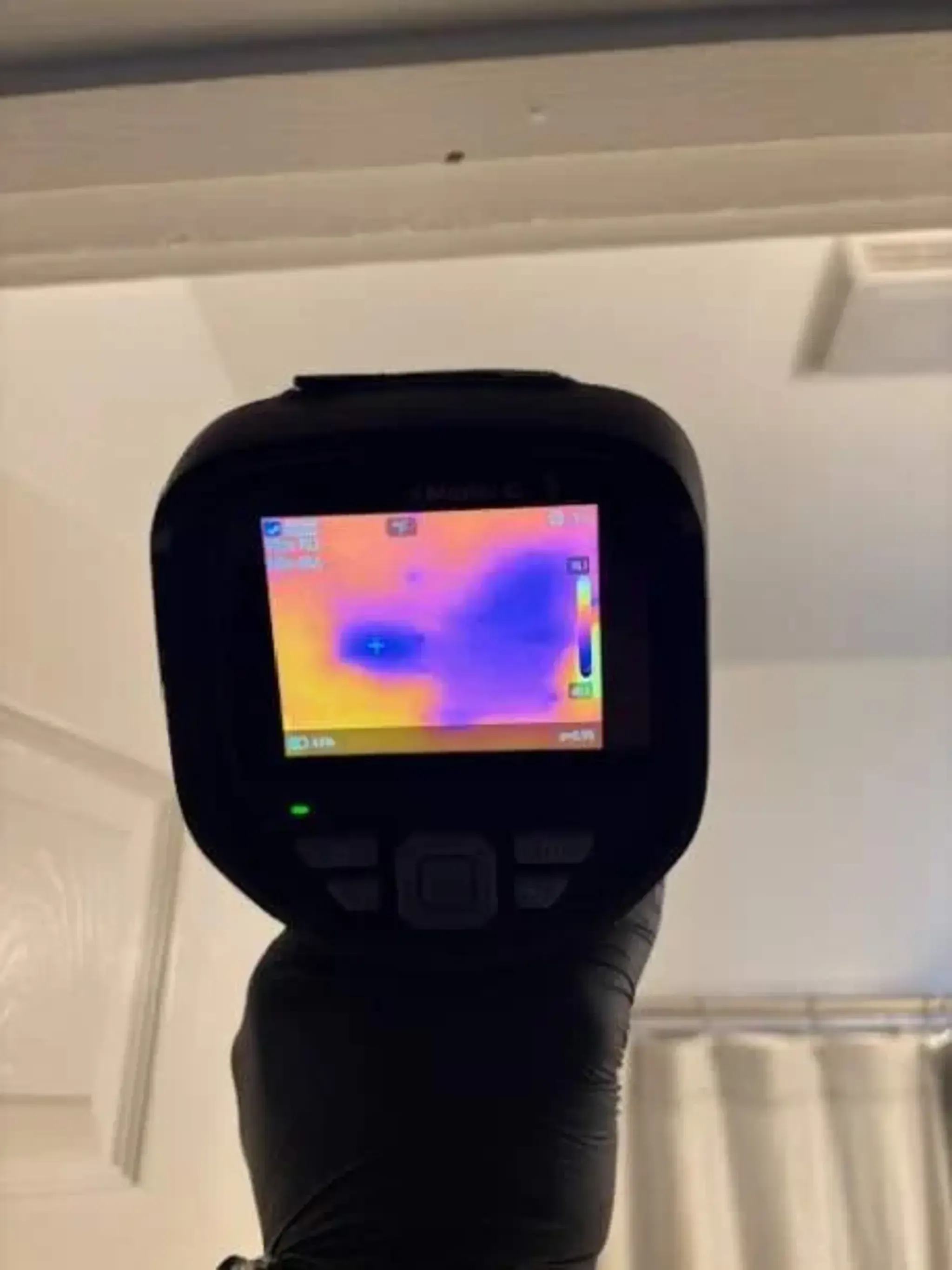
A mold inspection service needs to have someone look for mold and also check where there is water. Infrared imaging can help you see where things are, but you need to check this with a moisture meter to be sure.
In Orlando, you should look at the common trouble spots during inspection. Check the bottom of walls near AC closets, look at the floor edges by wet areas, and check under the cabinets, especially the toe-kick. You also need to look at rooms next to each other that use the same floor. Do not forget to look at spots that have to do with the HVAC, if it was on when this happened.
The output should be a written plan that shows the limits for what has to be removed, the level for keeping things contained, drying goals, and steps to check that work is done right.
When Mold Testing Helps
Mold testing can help when you need to answer a clear question.
It can be useful when you have a musty smell but do not see any growth after an AC event. It can also help when you are worried about a wall space after a slow leak. It is good to use before you start work again.
If it will not change the plan, skip it.
Common Mistakes That Cause Repeat Mold In Orlando
These moves backfire:
-
Opening windows when it's humid can cause more water to show up on other surfaces.
-
You may dry the air in the room but not look at the bottom of the walls, toe-kicks, and edges of the floor.
-
Putting baseboards back when the drywall is still wet is a mistake.
-
Turning on strong fans before you have things sealed up can spread mold when it is already there.
-
Starting to rebuild before verification is a mistake.
Many people think you can get rid of mold by using bleach. That is a mistake. If the mold is in things like wood or drywall, bleach is not enough. It will not fix what is inside these things. You need to remove the mold and dry the area too.
When To Call A Pro
Call a pro if water gets into wall spaces, the insulation, or several rooms. You should call if you still smell a musty odor after things have dried. Call too if the floor starts to cup, gets puffy, or feels loose under your feet.
If the area in the AC closet gets wet again and again, you have to find the real reason for it. A few fans will not fix the problem.
In condos and townhomes, water can move between units. So, it is important for people to work together.
A mold inspection service can show what needs to be fixed, so work stays focused. This also helps make the repair safer.
Quick Orlando Checklist
Today:
-
Take pictures of the water lines and things that got wet.
-
Write down the time the leak happened and what you did to fix it.
-
If it is safe, start drying the area by using dehumidification, and do not open windows.
Tomorrow:
-
Look at the drywall edges and the baseboards.
-
Look at the bottom part of the cabinet and the toe-kicks.
-
Look under the floor close to the wet spot.
-
Look at the AC closet platform and the drain line.
If it still smells musty, do not rebuild yet.
FAQs
Do I Need A Mold Inspection If Everything Looks Dry?
If you are looking for “mold inspection near me,” you may feel that the home does not feel dry even if it looks dry. In Orlando, places like wall bottoms, slab edges, and subfloors can stay wet even when the room seems fine. An inspection helps check the wet spots before any work is done.
How Long After A Leak Should I Get A Mold Inspection?
Once you stop the source of water and begin drying, do not wait for weeks. If you map the moisture sooner, you can find out what needs to be done before hidden wet spots cause more problems later.
Can I Just Run Fans And A Dehumidifier?
Sometimes, fans can help during a small clean-water event. But they do not take away moisture from the air. If there is mold, fans can move its particles around. If you are not sure about the risk, or how big the problem is, get a clear plan first.
When Do You Need Mold Testing Near Me?
If you are looking for “mold testing near me,” use testing to help make choices. It can be helpful for hidden areas you may worry about, smell with no mold you can see, or making sure the place is fine before you build again. If the result will not change what you want to do, you do not need the test.
Final Word
In Orlando, water damage and mold work go well when you plan all the steps together. You should stop the water source first. Then dry the area with dehumidifiers. Check the readings to see if things are dry. Make sure all is good before you start to fix or build things again.
Schedule a post-leak mold inspection with Fast Mold Testing Orlando.
Related reading
Frequently Asked Questions
- Why does mold return in Orlando rental properties after water damage even when repairs are completed?
- Mold returns in Orlando rentals after water damage repairs when the remediation addressed only visible mold without fixing the moisture source, when new drywall was installed over incompletely dried framing, or when the scope of cleanup missed mold in adjacent wall cavities. Orlando's year-round warmth and humidity means any residual moisture becomes active mold within weeks. An independent mold inspection before and after repairs is the only way to confirm the problem was fully resolved.
- How should Orlando property owners coordinate mold remediation and water damage repairs to avoid repeat mold?
- Orlando property owners should get an independent mold inspection from Fast Mold Testing before any repair work begins to document the full extent of contamination. Use this report as the scope document for the remediation contractor. After remediation is complete, get independent clearance testing before any new drywall or flooring is installed. Only when clearance testing shows clean air quality should rebuild begin.
- How much does a mold inspection cost in Orlando for water-damaged rental properties?
- Mold inspections for Orlando water-damaged rental properties typically cost between $500 and $800 (more for extensive inspections). Fast Mold Testing starts at our transparent rate with results in 1 to 2 business days. Pre-remediation and post-remediation inspections together typically cost under $600 combined and prevent the far greater expense of discovering the mold returned after new finishes have been installed.
- Do Orlando landlords have a legal obligation to test for mold after water damage before re-renting a unit?
- Florida law requires landlords to maintain rental units in a habitable condition. Renting a unit that had significant water damage without confirming through professional inspection that mold was not left behind creates liability if tenants later experience mold-related health issues. A pre-occupancy mold clearance report from Fast Mold Testing protects both the tenant and the landlord by documenting the unit's condition before the next tenancy begins.