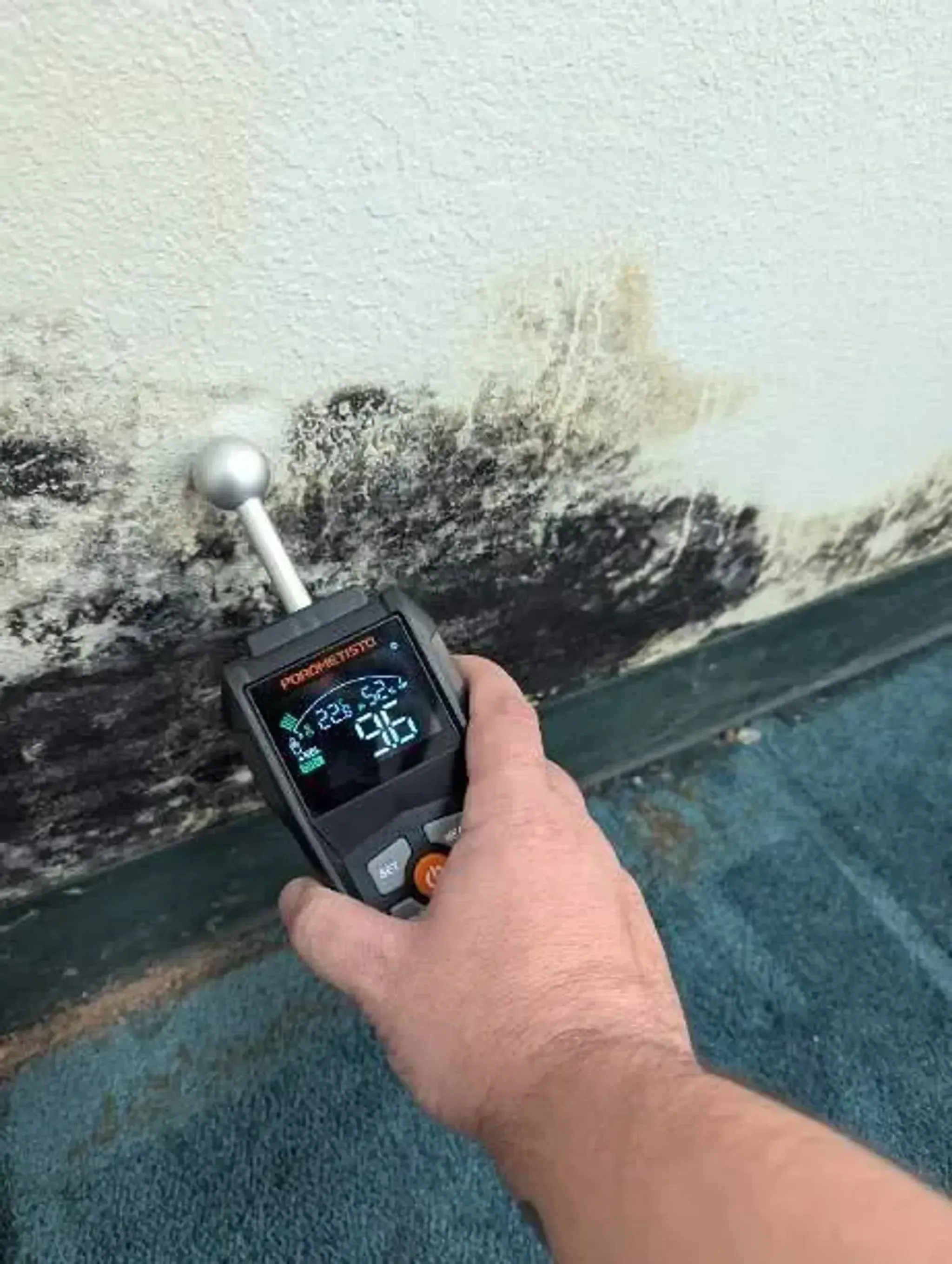

Water got into part of your Orlando home from a leak, overflow, or storm. Now you see wet walls. You set up fans, but wonder if drying fast will fix it. You also ask if you need a mold inspection.
In the heat and humidity of Central Florida, you need to make a smart choice. When water gets cleaned and dried right away, it stays an easy job for drying and repairs. But water that sits too long, hides in walls, or comes from a dirty source can turn into a mold problem.
This guide shows how water damage can show up in homes in Orlando. It tells you when drying by itself is the right choice. It also explains when you need help from a licensed mold expert. You will learn how insurance matters in this choice, too.
Key Takeaways for Orlando Homeowners After Water Damage
-
Orlando has a humid climate. This helps keep wet things wet for a longer time. So, the time between a leak and when the drying starts is critical.
-
New leaks with clean water that are found and dried fast are usually handled with water extraction and drying. There is no need for mold testing most of the time.
-
If there has been water hidden for a long time, or if the water is dirty, a Mold Assessment and a written plan to fix things will be needed more often.
-
In Florida, Mold Assessors and Mold Remediators get separate licenses through the Florida DBPR. This helps lower the chance that there will be a conflict of interest.
Why Water Damage in Orlando Homes Turns Into Mold So Fast
Orlando gets hot and wet most days of the year. The air has a lot of water in it. So, when you open windows after there is a leak, it may not be enough to help things get dry.
Because of this, people in Orlando usually use a closed system for professional drying. They use dehumidifiers, fans, and they change the temperature. Doors and windows stay shut so the air inside can dry out.
Slow leaks around AC closets, under sinks, or next to windows can cause mold, even if there is not a big spill. Drywall and carpet take in water fast, so you have to dry or get rid of them quickly after they get wet. The EPA’s guide on mold and moisture and the Florida Department of Health’s mold information both say keeping moisture down is the key to stopping mold.
Common Types of Water Damage in Orlando Houses
Many Orlando homes have the same water issues come up over and over:
-
Roof and storm leaks – Wind can push rain under shingles and flashing. This sends water into attics and wall spaces.
-
AC condensate issues – When lines are blocked or pans spill over, water can soak the ceiling and walls near the air handler.
-
Plumbing failures – Broken lines, bad toilet seals, or leaking appliances can quickly make floors and lower walls wet.
-
Stucco and exterior wall problems – When water behind stucco can't leave, rain can slowly damage baseboards and drywall.
-
Contaminated water events – Sewage and floodwater carry dirt and germs, making them a risk for mold and sickness right away.
What Proper Drying and Repairs Look Like in an Orlando Home
Drying out a house the right way is not just about setting up a fan in the room.
First, professionals use tools to take out the liquid water. In areas with carpet, they use special machines to pull water out from the carpet and pad.
Next, they put in air movers and dehumidifiers that fit the size of the problem. Air movers lift moisture from surfaces. Dehumidifiers pull water from the air and send it away through a drain. For wall spaces or wood floors, they may push dry air into small places.
In Orlando, the weather makes people keep doors and windows closed when doing this work. The machines can then lower the indoor humidity. Wait until all building materials feel dry again before adding new drywall, paint, and flooring. If you put these on wet wood or floors, mold can show up over time.
When a Mold Inspection Makes More Sense Than Just Drying
The choice between just drying and getting help from a Mold Assessor comes down to three things:
-
How long has the water been there?
Clean water that was shut off and dried in a few hours is very different than water that stayed for days or weeks. -
What type of water is it?
Water from a clean supply line is not the same as water from sewage, outside flooding, or old dirty water. -
How much damage is there?
A small clean spot is not like water that moved through walls, ceilings, many rooms, or the HVAC system.
Drying by itself is a good idea when the leak just happened, the water is clean, the spot is small, and you are sure everything is dry. If water has stayed for some time, got into hard-to-reach places, or is dirty, then it is very important to do a Mold Assessment.
It is also good to think about getting an assessment if the same area has had water problems more than one time. You should also do this if someone in the home is not in good health. Another reason is if the insurance or real-estate choice will need clear paperwork.
How Florida’s Mold Licensing Rules Affect Your Choices
Florida has rules for mold-related jobs. These rules come from the Department of Business and Professional Regulation.
-
A Mold Assessor (MRSA) checks buildings, looks at mold problems, takes samples, and writes steps for cleaning.
-
A Mold Remediator (MRSR) handles cleanup and removal work by following those steps.
State rules stop the same person from doing both the checkup and the cleanup on the same job, at the same time. The main idea is to keep things fair. The person who finds the problem should not get more money if the mess to fix gets bigger.
Quick, free visits from cleanup companies may help you get a basic idea. But they are not the same as a full Mold Assessment from someone who is licensed. A Mold Assessment includes a full check, a plan for testing, and written steps to follow. You can read Florida’s rules for mold‑related licenses on the Florida DBPR site.
What a Mold Inspection Includes After a Leak or Flood
After water damage, the right Mold Assessment usually has these steps:
-
History of the loss – When the problem started, how long it went on, what kind of water was there, and what has been done so far.
-
Moisture mapping – People use moisture meters, and sometimes they look for wet spots with heat cameras. This helps them find wet areas in walls, ceilings, floors, and built‑in furniture.
-
Sampling when needed – Samples are taken from surfaces to check if stains are actually mold. This also tells you what type. Air samples are taken inside and outside to see if indoor air has more mold than outside air.
-
Remediation plan – A step‑by‑step plan explains what materials need to come out, how areas should be blocked off, what controls are needed, and how to know when the job is done well.
That plan in writing is what another cleanup contractor and your insurance company will often want for bigger or hard jobs.
DIY Steps You Can Take Right After You Find Water
What you do in the first hours after you find water makes a big difference in what happens next.
-
Make the area safe
If there are wires, outlets, or appliances that get wet, you need to turn the power off for that spot in your house. Do not go into places touched by dirty water or floodwater outside. -
Stop the source
Turn off the main water if the pipes leak. For storm damage, call someone who fixes roofs or brings a tarp. If an AC pan fills up and spills, stop the AC and clear out the drain if you can do that safely. -
Start basic cleanup for clean water
If you find clean water early, use towels or a wet/dry vacuum to soak up what you can. Take your things out of the wet spot. Set up any fans and dehumidifiers you have. -
Document everything
Get photos and videos of where the water is from and what got wet. Keep your receipts if you do any short-term fixes or rent equipment.
If you think the water has been around for more than just a little while, or you already spot mold or smell a strong musty scent, stop trying to fix it yourself. You should get help from professionals before you open up the walls.
Red Flags That Mean You Should Call a Mold Assessor
A licensed mold professional is usually a good choice to call if you see any of these:
-
The water has been in the area for more than a few days.
-
The home stayed shut while the leaking was happening.
-
You can see spots, fuzzy marks, or dark or green stains on the drywall, baseboards, or wood frames.
-
A strong, damp smell is still there after you have cleaned up.
-
Sewage, outside floodwater, or other dirty water is part of the problem.
-
More than one room, floor, or the HVAC system looks affected.
-
The same spot has had water trouble before.
-
Someone living in the home is at risk health‑wise, or there is an insurance, rental, or property argument.
When you see one or more of these signs, you have to get an assessment. It is not just another step. A full assessment makes sure the cleanup is safe and on record. If you notice several warnings at the same time, you should call an inspection‑only company, such as Fast Mold Testing Orlando, instead of trying to figure it out on your own.
Typical Costs for Drying, Mold Inspections, and Mold Cleanup in Orlando
The actual numbers can change, based on the company and how big the loss is. Still, research shows there are some usual ranges.
-
A focused Mold Assessment in a small area may cost a few hundred dollars.
-
A whole-house assessment with several samples and a full testing plan may be closer to a thousand dollars.
-
Water mitigation, which includes water removal and drying out the structure, often starts at a few thousand dollars for small jobs. The price goes up with more rooms, more days of drying, and if you need more equipment.
-
Mold cleanup can range from a few thousand dollars for one or two rooms. It can cost a lot more if there are many rooms or if you need more work, like sealing off areas or cleaning HVAC systems.
Quick Decision Guide: Drying Only vs Mold Inspection
Use this as a basic guide. It does not have to be a set rule.
-
New, clean-water leak you caught quickly
Example: A water line breaks when you are at home. You shut it off in a few hours. Make sure you get the water out fast and get a professional to dry things. A mold check is not needed if things dry quickly and you do not see or smell any mold. -
Leak that has been going on for a while, or you see or smell mold
Example: A closet for the AC or under a sink is damp and smells bad for several days. Do not use strong fans right away. A mold expert should check the area and make a plan first. -
Sewage or outdoor floodwater
Treat it like a problem with dirt and mold from the start. A mold check and a clear plan to clean up are highly suggested before and after you clean.
FAQs About Water Damage and Mold Inspections in Orlando
How fast can mold start after water damage in Orlando?
Mold starts to appear on wet drywall, carpet, and other things that soak up water if they are left damp. The air in Orlando is full of moisture, so mold shows up faster here. That is why you need to dry things early and not wait.
If you take care of cleaning up the water on your own, do you still have to get a mold inspection?
Not every time. If the water is clean and you move fast to get it out, then everything gets dry with no smell or spots, you may skip the inspection. Water problems that last a long time, are hidden, or come from dirty water are not the same.
Can I run fans right away if I think there might already be mold?
If there is mold in the house, using fans at full power with no barrier can spread spores everywhere. At this time, it is better to get someone to check things out before you turn on strong air flow.
Does insurance pay for mold inspection in Florida?
Policies can be different. Some companies pay you back for assessments if there is a water loss that your policy covers. Some want you to pay these costs yourself. A clear report usually helps you when you talk to your insurance about coverage.
Final Word: Act Fast on Water, Be Smart About Mold
In Orlando, the big differences between a simple water problem and a mold job are time, where the water came from, and how far the water has moved. If you have clean water in your home or building, you need to act fast, keep good records, and dry the area the right way.
When water has been sitting, or is hidden in your walls or ceiling, or is from a filthy source, the work is different. A licensed Mold Assessor can help keep you safe, show you the right steps, and give your insurance company the paperwork they want.
If there is water damage in a home in Orlando, and you feel unsure about whether you need to dry things or if there might be mold, Fast Mold Testing Orlando can help. They will check your place, give you a report first, and then you know what you need to do next.
Related reading
Frequently Asked Questions
- Do I need a mold inspection or just drying and repairs after water damage in my Orlando home?
- You need both drying and a mold inspection, but in the right sequence. Drying equipment addresses standing water and surface moisture, but it cannot confirm whether mold has already colonized inside wall assemblies and under flooring. A professional mold inspection from Fast Mold Testing after drying is complete tells you whether mold developed during the wet period and whether the drying was thorough enough to prevent future growth.
- How long after water damage in Orlando should I wait before getting a mold inspection?
- In Orlando's warm, humid climate, mold can begin growing within 1-2 business days of water damage. Get a mold inspection as soon as possible after water extraction is complete, ideally within the first week. Waiting for visible mold to appear before inspecting means the problem has already spread into wall cavities and sub-floor assemblies where drying equipment and repairs cannot reach without opening walls.
- Can Orlando homeowners skip mold testing if a water damage restoration company says the drying is done?
- No. Water damage restoration companies are not mold assessors, and their declaration that drying is complete does not confirm whether mold grew during the wet period or whether it is continuing to grow in areas their moisture meters did not cover. An independent mold inspection from Fast Mold Testing after restoration gives you the objective verification that no mold remains, which your insurance company and future buyers will want to see.
- How much does a post-water-damage mold inspection cost in Orlando?
- Post-water-damage mold inspections in Orlando typically cost between $500 and $800 (more for extensive inspections). Fast Mold Testing starts at our transparent rate with results in 1 to 2 business days. The inspection should happen before repairs begin to ensure the contractor's scope of work addresses all mold-affected areas. Post-repair clearance testing then confirms the job was completed correctly.