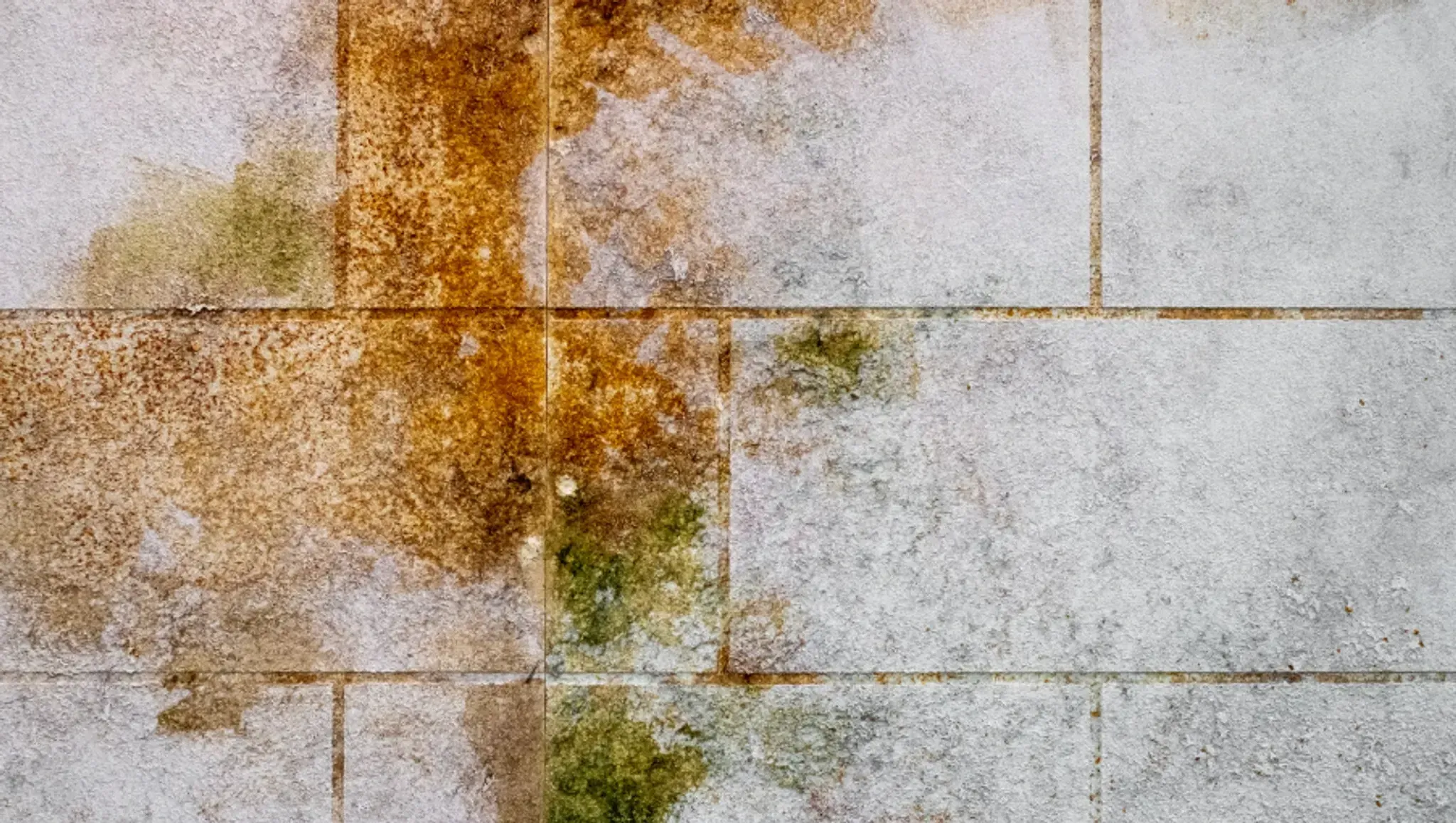

You clean your shower grout, but the orange stuff keeps coming back. Or you might see an orange patch on the bathroom ceiling. You could even open the fridge and find orange spots on your food.
Many people call all of this “orange mold.” The thing is that the orange stuff can be a few things. It can be bacteria, mold, algae, or sometimes just stains from minerals.
This guide helps you see what you may be looking at, how risky it is, and what steps to take next without any guesswork.
Key Highlights
-
“Orange mold” is just talking about color, not what kind it is.
-
Orange slime in bathrooms is most times caused by bacteria. It feeds on soap left behind and lives where things stay wet.
-
Orange, fuzzy stuff on walls usually means there is too much moisture. It is not only because things are dirty.
-
Orange spots on food usually mean you should throw it away. Some hard foods can sometimes be saved by cutting well past the spot.
-
Never mix cleaning items together. If you mix bleach and another cleaner, it can make gas that is not safe to breathe.
-
If it keeps showing up or you feel like something is wet that you can’t see, it is best to have someone come look. An inspection can help find what is wrong fast and create a clear plan.
If you want a plan where they check first and give you honest results, you can book with Fast Mold Testing.
What Is Orange Mold?
Orange mold is a name people use for stuff that looks orange and grows or leaves a mark in homes. The word “orange” is just about what you see. It does not tell you what the thing really is or which organism is in the spot.
Moisture is the common thread. According to the EPA, molds can be found almost anywhere; they can grow on virtually any substance, providing moisture is present. Keeping indoor relative humidity below 60 percent, ideally in the 30 to 50 percent range, helps deter that growth.
"Molds can be found almost anywhere; they can grow on virtually any substance, providing moisture is present."
United States Environmental Protection Agency, Mold Guidance (epa.gov/mold)
That is why cleaning up what you think is “orange mold” may help in a shower, but not work on a wall. You might not be fixing the right problem.
Here are the most common buckets people confuse.
Orange Slime In Bathrooms
This is the common film that is orange or light pink in color. You can find it at the waterline of the toilet, in the corners of the shower, on the caulk, and along the grout lines.
It is often a bacterial biofilm. A biofilm is a slippery layer. It sticks to things and helps protect the bacteria inside. This layer eats soap left behind, oil from our bodies, and water that does not move. That is why you will find it on shower curtains, in the corners of tiles, and on wet silicone.
A key clue is the way it acts. You can wipe it, and it comes back in a few days if the area stays wet.
Rust And Mineral Stains That Look Like Mold
Some orange "mold" can come from iron or other minerals that are in the water.
You can see it near drains, under sinks that leak, on tub floors where water falls, and on spots that stay wet but are not slippery.
Texture gives an important hint. A stain is not jelly-like. If the spot feels rough, is gritty, or you see a color change but there is not any slime, then it might be from minerals. It may not be something growing.
Outdoor Orange Growth On Masonry
You may see orange spots on shaded walls, stone, or stucco on the outside. These are often caused by algae.
This is usually just about looks, but it can also show that the ground stays wet for a long time. If you notice it in one spot again and again, look at sprinklers, drip lines, and any water that keeps that part of the yard wet.
Can Mold Be Orange?
Yes, mold can be orange. Orange, soft-looking mold can grow inside if things stay wet for too long and let a mold group form.
Orange fuzzy mold often shows up as a dry, powdery, or fuzzy spot. You may see it on drywall, wood, insulation paper, or the back side of baseboards. It will not feel like the smooth film you get in the bathroom. The patch is a bit dry, and you can lightly scrape it. If you touch it, you might see some orange dust come off.
When you see fuzzy stuff growing, do not ask, “what kind is it?” The best thing to ask is, “why did this thing stay wet?”
What Orange Fuzzy Mold Usually Means Indoors
In homes, you will often see orange fuzzy growth show up with one of these patterns.
The bathroom ceiling above the shower gets wet. The fan in there does not work well, and people do not use it much. Sometimes, the fan sends the steam into the attic. The steam turns to water and the drywall stays wet. That same spot on the ceiling keeps getting damp again and again.
Closet corner on an outside wall. The wall gets cool. Air does not move around much, and wet air can turn into water in the corner. This happens more when people put furniture or boxes there and block the air.
Baseboard edge. A leak that happened before, cleaning the floor with a lot of water, or a small pipe leak can make the trim stay wet. The paint can look fine but the part under it stays wet.
When Orange On Wood Can Be A Structural Warning
Most orange problems in your home are just on the surface and you can fix them. But if you see orange growth on the wood that holds up your house, this can be a bigger problem.
One risky sign is a thick orange crust or “pancake” shape growing on wood with a pale edge. The wood may crack into block shapes, crumble, or feel weak. Some wood rot fungi can also make white, rope-like threads that move across brick or stone to reach new wood.
If you notice orange growth on the frame, subfloor, sill plates, or joists and the wood looks cracked, weak, or starting to sag, this could be a problem for the building. It is important to have a professional look at it.
Is Orange Mold Dangerous?
Is orange mold dangerous? Sometimes, orange mold is just annoying. Other times, orange mold shows that there is wet stuff you can’t see. That is when things can get worse.
Don’t just put one “danger” label on it. Try to see it in two ways.
When Risk Is Usually Low
Risk is often low when the orange material is small. It comes off without trouble and does not come back after you fix the moisture problem.
Examples include bathroom film that does not come back after you dry things better, or the orange algae that grows outside on brick or stone.
In these cases, the main thing is basic hygiene and keeping the area dry. Clean it. Dry the area. Stop the wet film from coming back.
When Risk Can Be Higher
Risk can be higher when any of these are true.
Someone in the home has a weak immune system, has asthma, or feels worse when they are in that area.
The growth spreads in many places. It comes back fast. You may feel it is hidden behind a wall or under the floor.
The thing is soft. It looks puffy, or it has a musty smell. This shows there may be moisture in the structure.
The growth is on the main wood, or the wood has cracks. It may also break down, get weak, or fall apart.
In these situations, the next thing to do is not to use a more powerful spray. You need to check where the water is coming from and how big the problem is.
Orange Mold Health Risks
Orange mold health risks depend on what the orange stuff is made of. It also depends on how you get close to it or touch it.
For a lot of people, the main problem is irritation. The spores and pieces of this, or even the dead stuff, can make you sneeze or cough. It can also make your eyes feel itchy or lead to asthma getting worse.
Bathroom biofilm is also about keeping things clean. The germs in wet films can bother your skin. They can be a problem for people who do not have strong body defenses. If you wear contact lenses, you should be extra careful. Be sure to keep your lens cases away from water splashes. Wash your hands after you clean the bathroom.
Food stands as its own group. Mold on food can bring spoilage bugs, and some kinds of mold can make toxins. This will depend on the food and the place it is in. If you do not know for sure, it is best to throw the food out first.
If the symptoms are bad or last a long time, talk to a doctor. The building fix still starts with moisture control and proper cleanup.
Where Orange Mold Shows Up
Orange growth will form when there is both some moisture and something it can feed on. Here is what common places usually mean.
Orange Colored Mold On Walls
Orange colored mold on walls can be seen in a few places. It may show up under a window corner. You may find it behind a bed or a dresser. It can be on a bathroom ceiling or near a baseboard.
Start with a quick check.
Look for paint that is coming off, bubbling, or soft walls. See if the spot is in a cold corner that gets condensation. Look for old water marks around windows, roof edges, or where plumbing pipes go in.
If drywall feels soft, if paint is coming off, or if the spot gets bigger fast, you should do more than just clean the surface. This can mean there is moisture inside the wall.
Bathroom Orange Mold Health Risks
Most health risks from bathroom orange mold come from the damp layer you can see, not from mold hiding inside the wall.
You see this a lot in shower corners, on the caulk, along curtain seams, in the grout, and near the toilet waterline. It comes back fast if the place stays wet and there is still soap on it.
Scrubbing helps get rid of the film. Drying makes sure it does not come back.
One easy way to keep clean is this. Keep your toothbrush, contact lens case, and face tools away from water near the sink. Put them in a cabinet that is closed, not outside next to the sink.
Orange Colored Mold On Food
Orange colored mold on food should always be seen as a food safety problem first.
Most of the time, soft foods are not good to save. You should throw out bread. Soft cheeses should go in the trash too.
Hard and dense foods can often be saved. For hard cheese, cut out at least 1 inch around and below the spot with mold. Keep your knife away from the moldy part. After that, rewrap the cheese with a new wrap.
Do not smell moldy food up close. The USDA Food Safety and Inspection Service guidance on molds on food is a good place to check. It helps people know what food is safe to keep or throw away.
Orange Mold Removal
Orange mold removal starts with one simple rule. Clean the mold you see, but you have to stop the moisture that helps it grow. Fix what makes it wet, or it will just come back.
Before you get started, make sure you follow one safety rule from the CDC guidance. Do not mix cleaning products. You should never mix bleach with ammonia or any other cleaners.
Step 1: Confirm If It Is Growth Or Staining
Check texture first.
A biofilm is slimy and spreads when you touch it. A mineral stain is not like that.
Check location next.
Biofilm can grow on waterlines, grout, and places where you use soap. Mineral stains can show up in spots where water drips, stands, or dries up.
If you are not sure, call it growth. The best thing to do is clean it in a safe way and dry it well.
Step 2: Remove Orange Slime In Showers And Toilets
Start with letting in fresh air. Open a window and turn on the bathroom fan.
Break the film first. Use a brush to scrub it well. A biofilm can protect what is inside it, so if you only wipe it lightly, you might leave some of it there.
After you scrub, put on one cleaner and let it rest. A mix of bleach and water or a cleaner with hydrogen peroxide is something people often use for bathroom biofilm. Let it stay there for about 10 to 20 minutes, so it can get into the film. Then scrub it again.
Rinse the spot with hot water. Make sure you dry it well when you are done. Drying is just as important as cleaning.
To stop the mold from coming back, wash your shower curtains often. Fix any leaky faucets. Use a squeegee or a towel to dry the walls after you shower.
If you choose bleach, the EPA guidance on bleach and mold cleanup tells you when to use bleach and when not to. It also says “do not mix cleaners”.
Step 3: Clean Small Orange Growth On Walls Safely
This rule is for when the space is small. The drywall should not be soft.
On sealed surfaces, start with some detergent and water. Mix and scrub in a gentle way. Then, use a fan to dry it quickly. If you have a dehumidifier, turn it on in the room.
If the stain shows up again soon, if paint keeps bubbling, or if the drywall feels soft, you should stop thinking it is just a problem on the surface. This often means that there is moisture inside the wall, or the drywall is hurt from the inside.
Step 4: Fix The Moisture Source, Or It Comes Back
Surface cleaning will not fix a leak. It will not solve any pattern that comes from condensation.
If the wet area comes from a leak, fix the plumbing, roof, or window that is causing it.
If the source is from water in the air, try to get better airflow in and out of the room. Lower the amount of water in the air in the home. Be sure the bathroom fans blow air outside. Use these fans long enough so the room gets dry.
If you do not take care of moisture, then you are only covering up the real problem with new paint.
When To Call A Pro
Call an expert if you need answers about hidden moisture, repeat growth, or how big the problem is.
This is why starting with an inspection is important. A mold inspection is not the same as removal or repair. Inspection helps to find out what is wrong and gives a written plan. Removal and repair are the next step where the problem is fixed.
Signs You Need A Mold Inspection Service
Think about getting a mold inspection if any of these things happen.
You notice a musty smell, but you do not see any mold growing. After you clean, the mold comes back in a few weeks. There was water damage, and it looked dry on top. Still, the smell is there. The problem is in more than one room. You think there may be water or moisture hiding be
hind the walls or under the floors.
In these cases, testing for mold can help if you have a clear question in mind. The key step is to map out where moisture is found and confirm where it is coming from.
What An Inspection Looks For
A good inspection includes looking at the area closely and checking for moisture. This helps to find what is still wet.
Sampling is used when it may change what people decide. For example, it can help confirm any hidden growth or be used after work is done to check things.
The output should be written down. You can give it to a contractor so you do not have to guess.
FAQs
Is Orange Mold Harmful?
Small bathroom biofilm is usually a hygiene issue and a moisture issue. Orange fuzzy mold on walls shows things are wet. If someone in the house has asthma or a weakened immune system, take it more seriously and focus on fixing moisture.
Is Orange Mould Dangerous?
If you searched “is orange mould dangerous,” the answer can change based on where you see it. A little film in the shower is usually not too hard to clean. But if you find orange mould on things like drywall, insulation, or wood, it may mean there is moisture trapped inside. This can be hard to fix unless you have someone check it.
What Is Orange Mould?
If you searched for “what is orange mould” or “orange coloured mould,” you might be seeing bacteria in a bathroom. You may also see mold on wet building parts, algae outside, or signs of minerals. The feel and the place you see it usually help you know which one it is.
Is There Orange Mold That Looks Like Slime?
Yes. People sometimes see orange slime in showers and toilets. This is usually caused by a layer of bacteria. You can clean it, but it comes back fast if the surface stays wet and has soap on it.
Final Word
Orange growth shows that there is moisture. It is not about the color. Clean what you can reach. Dry the area. Fix what keeps it wet.
If you see mold show up again, or you think there might be water you cannot see, you should book an inspection with Fast Mold Testing.
Sources
Related reading
Frequently Asked Questions
- What is orange mold and is it more dangerous than other mold colors?
- Orange mold is not a single species but a color appearance shared by several different mold types including Fuligo septica, Acremonium, and certain Aspergillus strains. Color alone does not determine health risk. Some orange-appearing molds are relatively benign, while others can produce mycotoxins or trigger respiratory reactions at high concentrations. Lab analysis from Fast Mold Testing is the only way to identify which specific species are present and assess the risk accurately.
- Where does orange mold commonly grow in homes?
- Orange mold most commonly appears on wet wood surfaces like bathroom trim and window sills, in kitchen drain areas, on grout between tiles in showers, on damp concrete in basements and garages, and on organic debris in compost or under sinks. Any area with consistent moisture and organic material can support orange mold growth.
- How do I get rid of orange mold in my home?
- For small areas of orange mold on non-porous surfaces like tile, cleaning with an appropriate mold-killing solution and addressing the moisture source is often sufficient. For orange mold on porous materials like drywall, wood framing, or insulation, professional remediation is recommended. Before remediation, a mold inspection from Fast Mold Testing confirms whether the visible orange mold is the full extent of the problem or whether hidden mold has spread to adjacent materials.
- When should I call a professional for orange mold rather than cleaning it myself?
- Call a professional when orange mold covers more than 10 square feet, when it keeps returning after cleaning, when it appears on porous building materials like drywall or wood, when there is a musty odor without visible mold, or when anyone in the home has unexplained respiratory symptoms. A mold inspection from Fast Mold Testing will identify the moisture source and confirm whether the orange mold you can see is the complete picture or just the visible portion of a larger hidden problem.