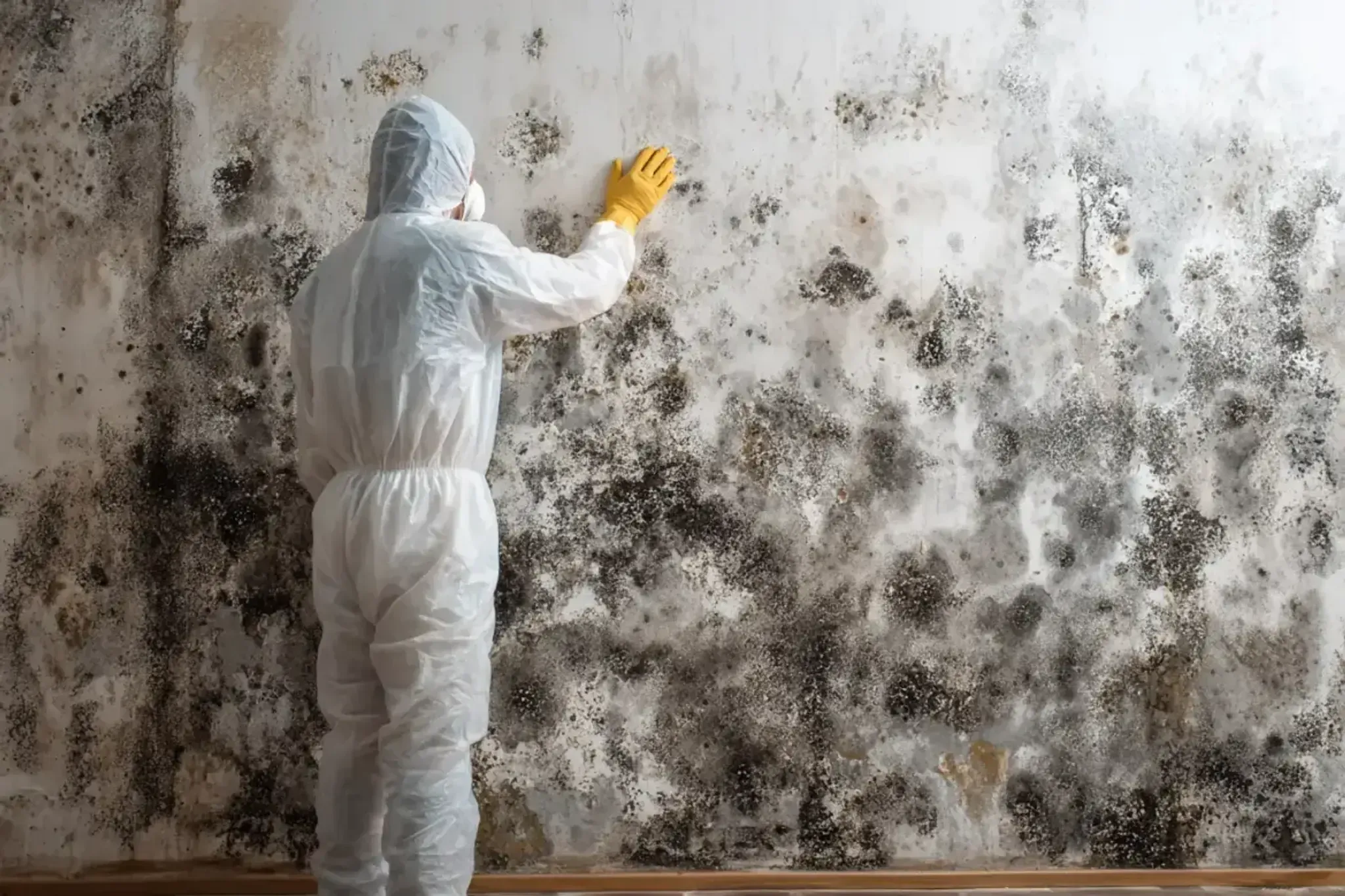

People in Tampa often feel that testing and inspection mean the same thing. This mistake can make you lose money. You may only pay for an air test that does not find the leak. You could end up saying yes to fixing work without finding the real problem.
Here is the simplest way to get this concept. A mold inspection is when someone comes to look for mold. Mold testing is when you check to see how much mold is there.
The Simple Difference
A good mold inspection must help you get answers to three practical questions:
-
Where does the moisture come in or gather?
-
Where is the mold growing, and how much has it spread?
-
What can stop the problem and help keep it from happening again?
Mold testing is when you take some samples. You could take air samples, surface swabs, tape lifts, or even samples from inside the walls. The testing shows what is in the air or on things, but it does not tell why there is mold.
When you do a good inspection, you have to take your time and look everything very closely. You want to walk through the place, find all places with moisture, and take photos of spots that do not look right.
In Tampa, you will need to look for moisture near the AC, in the bathrooms, around window and door frames, and in any spots that have had roof or storm trouble before. The goal is to see how the moisture links up with the mold location or where it might show up in the future.
Testing is most helpful when it answers a clear question. Many times, you do not need a lot of samples. A small number of targeted samples can be enough. Testing should not just feel like another cost to the bill.
Why This Matters in Tampa?
Many homes in Tampa get the same kind of moisture problems. You can miss the cause if you only do air sampling.
In homes with a slab-on-grade, water can rise up if there is a leak under the slab. It can also build up under the floor. You might notice a mark on the baseboard. Floors can feel puffy. Wood floors may bend up at the sides. Concrete block walls can also take in water. This happens if there are cracks outside, caulk that does not work, or old paint. This can let water get inside and keep the inside of the walls wet.
Old homes in places like Seminole Heights and Hyde Park can have a bad smell with the crawlspace and poor ventilation. The AC in that house has to work harder over the year. There can be clogged drain lines, water pans filling up, or wet ductwork. Some damp areas of the HVAC bring more water into the house again and again.
This is why the best mold inspection Tampa can get starts with looking for moisture. A good check looks for water or damp spots.
When Do You Need a Full Mold Inspection?
A full inspection is the best way to find clear answers. You do not need to make guesses when you begin with this.
-
You smell something old and bad, but you do not know where it is.
-
Water that got in from a storm, a leak in the roof, or a leak from pipes.
-
The same wet spot is still there, even after you clean it.
-
You are buying or selling and need to know what work needs to be done.
-
You are having a problem with a rental and need proof.
In these cases, finding moisture is the most important thing. The person doing the test should use a moisture meter. Use heat imaging to help find wet spots that people cannot see.
When Is Mold Testing Worth Paying For?
Testing can help. But you need a good reason to do it. Do this when you need proper evidence. You might need it if you want to see results that could change your upcoming decisions. You should also do it if you want to find out if that spot in the room is affecting the indoor air quality.
For example:
-
You need proof for the person who owns the place, your insurance, or the person who wants to buy.
-
You can’t get into a spot you think has a problem, and you need proof to plan what to do next.
-
You want a test to be done after the cleanup to make sure it’s safe.
You do not want to add “testing” without a plan. If you pay for mold testing Tampa, you should ask the provider to tell you how they will use the results. It is also good to know what you will do when you get those results.
What Should You Get in Writing?
No matter who you choose, ask what you will get in written report form. A good report will show the moisture level for each spot. The report should also have photos. There should be details of where the water might come from, how far it may have spread, places where they took samples, and lab results if there were samples.
The report should also give clear next-step instructions. If you use the report for a buyer, the owner, or insurance, ask if the report has the mold professional's license details.
The Most Common Upsell Trap
A lot of people use the internet to search for "mold inspection Tampa". Many find a business that will test the air. After that, the company may convince people to directly jump to the step of mold removal.
A simple air test that does not look for water leaks and does not give a full source of mold in the report is not a full check. It might show a result confirming mold presence. But it will not tell you the root cause.
If a company gives you a free inspection, ask what you will get in writing. If they do not tell you clearly, see it as just a sales visit.
Florida Licensing and the 12-Month Rule
There are rules in Florida for people who check for mold and for those who fix mold problems. The DBPR is the group that handles these rules.
In simple words, a mold inspector has a license to look for mold. This person can do tests and make a plan for what to do. A mold cleaner is a person who has a license to do the cleaning.
Florida has rules to help stop people from doing things that might not be right. The rules make sure the person who checks for mold is not the same one who does the cleaning to get rid of it, at least not right away. A lot of people call these the 12-month gap rules.
If you see the words mold inspection Tampa fl on their website, you should ask for their license number. You can look it up on the Florida DBPR license lookup. You can read DBPR’s mold-related services FAQs to get the latest rules.
What to Ask on the Phone?
These questions help you know if the person is good at checking things or if they just want to make a sale.
-
Will you look for all the potential sources of moisture, not just take air samples?
-
What tools will you use to find wet spots that are hard to see?
-
What will you give me in the report I get?
-
How do you pick a sample if you need to take one?
-
Are you licensed in Florida to check for mold?
If you get clear answers, you can feel good about it. You will know you are in good hands.
Final Word
If you want to get authentic answers, choose a company that does detailed inspections. Then they write down where they locate it and how much they find. At last, they provide a clear report on the source, amount, and what step to take next to fix it.
If you want to book an inspection, start with Fast Mold Testing Tampa. You can also see our Google Business Profile.
Frequently Asked Questions
- What is the difference between mold testing and mold inspection in Tampa, Florida?
- A mold inspection in Tampa is a comprehensive assessment covering visual examination, moisture mapping, and moisture source identification using calibrated equipment. Mold testing specifically refers to collecting air or surface samples for laboratory analysis to quantify spore levels and identify species. Fast Mold Testing combines both in a single Tampa visit starting at our transparent rate, with results delivered in 1 to 2 business days.
- When do Tampa homeowners need mold testing versus a mold inspection?
- Tampa homeowners need a full inspection with testing when filing an insurance claim, buying or selling a home, resolving a landlord-tenant dispute, or confirming post-remediation clearance. A visual inspection alone is insufficient for any of these purposes. When you simply want to know if mold is present before deciding on next steps, a comprehensive inspection from Fast Mold Testing that includes both moisture mapping and air sampling gives you the most complete picture.
- How much does mold testing cost in Tampa compared to a full inspection?
- Basic mold test kits in Tampa hardware stores cost $10 to $50, plus $30 to $75 in lab fees, but provide no moisture source information or professional interpretation. A full mold inspection with professional air sampling from Fast Mold Testing starts at our transparent rate and delivers actionable findings in 1 to 2 business days. The full inspection is almost always more cost-effective because it answers both whether mold is present and what is causing it.
- Does Tampa's hurricane season make mold testing more important than in other parts of Florida?
- Yes. Tampa's hurricane and tropical storm season brings high rainfall, storm surge risk, and extended humidity events that dramatically increase mold growth risk. After any storm event with water intrusion, professional mold testing with lab analysis is the only way to confirm whether mold has developed inside wall assemblies before repairs begin. Fast Mold Testing is available for post-storm Tampa inspections throughout hurricane season.