
The floods in Sacramento were bad in December and January. A lot of people called cleanup teams to help. The teams used fans and dehumidifiers. They took out wet carpet. They worked to dry out the homes. After the work, everything looked clean.
But drying water is not like getting rid of mold. Drying gets the moisture out. But to know if the danger is gone, you must also make sure all the mold is removed.
What Mold Remediation Actually Means
Mold remediation is when you take out things that have mold and clean the surfaces. The Sacramento floods brought Category 3 water into homes. This water has sewage or bad bacteria in it. The rules say when you have Category 3 water, you have to throw away some things. Carpet and its padding must go. Any wet drywall must get cut away. You also need to take out any wet insulation.
Remediation crews take out the dirty materials. They put them in bags and seal them up. They clean with special filters. They also wipe the wood down before they run dryers. The main goal is to lower wood moisture under 16 percent. This is where mold stops growing quickly. But even when the wood is dry, the mold can still be there.
Why Drying Isn't Enough After Floods
Contractors come to the job and use moisture meters. They stay until the meter shows lower than 16 percent. At that point, they say their job is done. The issue is, mold spores can stay even when the water is gone. Old spores may stay on dry wood for a few months.
Sacramento is on clay soil, and this clay holds water for weeks after it rains. In many places, there is hardpan under the soil. Because of this, water can't go down, so your crawl space stays wet from below, even if the street is dry.
Crawl spaces be humid for a long time after people leave. The air in there can reach 80 percent humidity after floods. That is enough for mold to grow. This happens even when wood is at 14 percent moisture. The air stays damp, so mold can get started. Mold only needs damp air to grow.
Water you can't see can cause even bigger problems. Flood water gets into the insulation under the floors and goes behind the baseboards into the walls. The insulation works like a sponge. The water stays inside it. This lets mold grow on the back part of your floor, while the top part still looks normal.
The Difference Between Remediation and Verification
Remediation is the job that needs to be done. Verification is about showing the work was done the right way. The person who finishes the work should not be the one to look over it. That leads to a problem, as it is a conflict of interest.
Post-Remediation Verification checks if a house meets all rules for safety, with no mold growth you can see, no strange smells, and air spore levels inside that are about the same as those outside.
An independent expert checks your home. This person is usually a mold expert or a hygienist who works for you. Their job is to test if your home is safe.
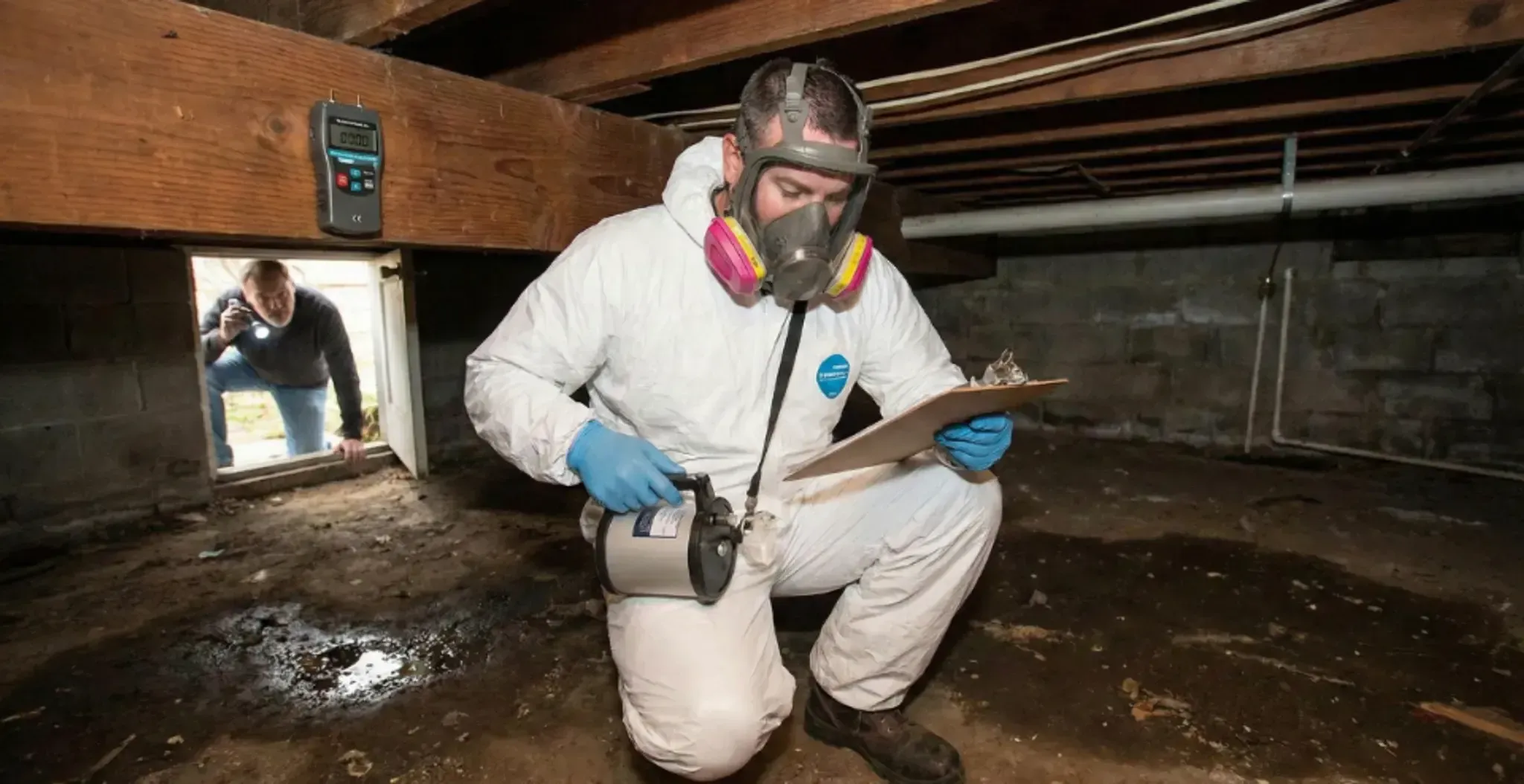
There are three parts to checking for mold. First, you look around to see if there is dust or any mold that you can see. Second, air tests happen. A person takes air samples and sends them to a lab to count mold spores. Third, they check for wet spots that you cannot see by using cameras and meters.
Lab results will show the number of spores for each mold type. The results also tell you how the air inside your home is different from the air outside. If the spore count inside is higher than outside, you do not pass. The contractor will need to return and clean everything again.
This split is important. Cleanup crews are paid to finish the job fast. If they check their own work, it is like grading their own test. But, an independent tester cares only about if the job is done right.
Hidden Mold Risks in Sacramento Homes
Many homes in Sacramento have things that trap mold. A lot of these homes sit on raised foundations. There are crawl spaces under them. The insulation between the floor joists soaks up flood water. It keeps the wood floors wet for weeks. Mold then starts to grow on the floors above.
Baseboards can make things worse. Drywall is set a little above the floor. When there is a flood, water goes through this space and gets inside the wall. The baseboard covers the gap, so the water gets stuck. Mold can start to grow on the back of the wall in just two days.
This is why crews cut the bottom of walls. They take out two to four feet of drywall that got wet. They remove wet insulation. They clean the wood frame.
Crawl space humidity is a problem that lasts for a long time. When your home gets warm, water from the soil under it goes up. If hot wet air comes into a cool crawl space, it turns into little water drops. Wood there can get surface mold, even if there is not any standing water.
What Proper Verification Includes
A real checkup report has proof. The report begins with photos. The photos show that the materials were taken out and the surfaces got cleaned.
Air tests are the main step. The person doing the test puts spore traps in the set place and outside. The lab checks how many spores there are by looking at them through a lens.
The report comes with a data chart. You will see numbers, for example, "1,200 spores per cubic meter." If the number inside is less than the one outside, you pass. If the number inside is more than the one outside, you do not pass.
Moisture checks are the last step. A worker uses meters to test all the wood. They also use heat cameras to look at the walls. Cold spots often show there is water stuck inside.
You get a signed report. This is important for insurance and real estate. If you sell the house in the future, California law says you have to let buyers know about any old water damage. A passed report shows that you fixed the problem the right way.
Common Questions About Verification After Sacramento Floods
How long does verification take?
The visit will take two to four hours. You will get lab results in three to five days. The whole process takes about one week.
What happens if my home fails?
The contractor will come back to do some more cleaning. Then, the city worker will come and check again. Most homes will pass on this second visit.
Does insurance require verification?
Not every time, but many say you should do it. Even when it is not needed, having a passed report can help you avoid problems later.
Can I buy a test kit instead?
Store test kits do not meet the right standards. They test just one small spot. Pro air tests get spores from the whole area. This kind of proof works for insurance.
When should I schedule verification?
After the cleanup is done but before you put up new walls, you will not be able to see or look at the wood behind them. Once you put up the new walls, you can't go back and check the wood.
Protect Your Home and Your Health
Getting water out is the first thing to do. Making sure the mold is really gone comes next. These are not the same thing. The clay in Sacramento makes crawl spaces stay wet for a long time after floods. Water hides and helps mold grow where you do not see it. A dry house may not always be a safe house. Make your mold inspection in Sacramento with Fast Mold Testing. A third party check can help keep your health and your property value safe.
Frequently Asked Questions
- How does flooding in Sacramento create long-term mold problems even after the water is gone?
- Sacramento flood events saturate wall cavities, subfloor assemblies, and insulation that drying equipment cannot fully reach. Even when surfaces appear dry to the touch, moisture trapped inside wall assemblies and beneath flooring continues to feed mold for weeks or months. Sacramento's seasonal pattern of wet winters followed by warm springs accelerates mold development in incompletely dried materials.
- How do I check my Sacramento home for mold after a flood?
- After a Sacramento flood, do not assume the home is mold-free just because visible water has been removed and surfaces look dry. Get a professional mold inspection from Fast Mold Testing that includes moisture meter readings inside walls, under flooring, and in the attic if the flood affected upper levels. Air sampling provides a baseline spore count before any remediation begins.
- How much does a post-flood mold inspection cost in Sacramento?
- Post-flood mold inspections in Sacramento typically cost between $500 and $800 (more for extensive inspections). Fast Mold Testing offers transparent published pricing with results in 1 to 2 business days. The inspection should happen as soon as possible after water extraction is complete, because every day of delay allows mold to colonize more deeply into materials and increases the scope and cost of eventual remediation.
- Should Sacramento homeowners test for mold before or after insurance-funded flood repairs?
- Test before repairs begin. A pre-repair mold inspection from Fast Mold Testing documents all mold-affected areas before contractors open walls or install new materials. This creates the baseline your insurance claim needs and ensures the contractor's scope of work includes all affected areas. Testing after repairs are complete confirms the job was done correctly and provides clearance documentation for the insurance file.