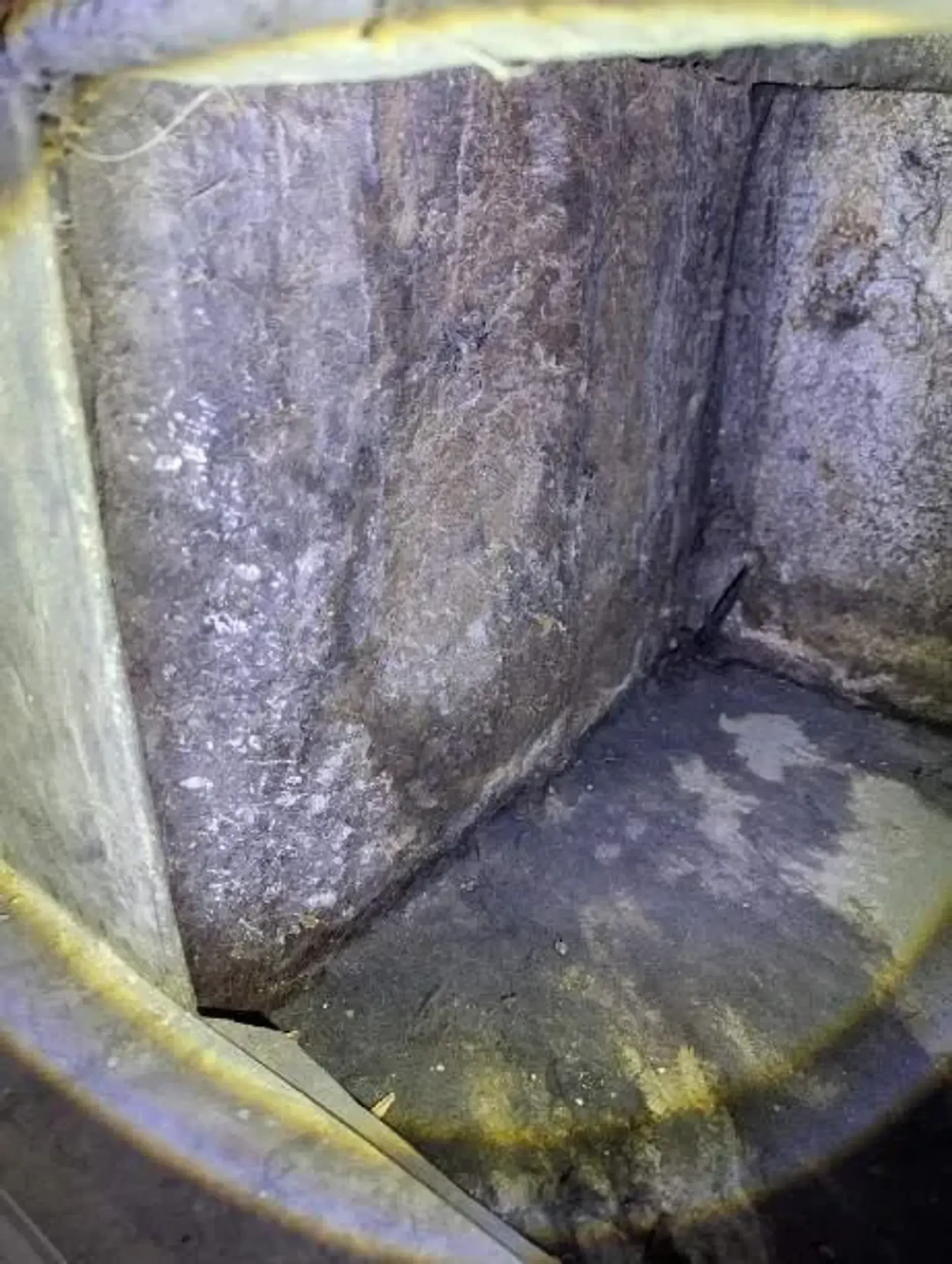

Tampa has beautiful summers and great beaches, which make it a great place for buying a home there. But Tampa also has a humid climate and frequent rains, which is a bit dangerous for home buyers because it causes a big problem, mold.
That humidity is the core risk. According to the EPA, indoor relative humidity should be kept below 60 percent, ideally between 30 and 50 percent, to deter mold growth, and molds can grow on virtually any substance as long as moisture is present.
"Molds can be found almost anywhere; they can grow on virtually any substance, providing moisture is present."
United States Environmental Protection Agency, Mold Guidance (epa.gov/mold)
Tampa Mold Specialist is the ideal environmental relative humidity is around 30-50%. In Tampa, it usually stays around 80-90%. Rains continue all year long rainstorms smash water inside the houses. This means houses in Tampa are almost always at risk of mold growth.
Whenever you buy a home in Tampa, make sure it’s free of mold. The seller will, most of the time, make every possible effort to convince you that house is mold free, but it’s your job to ensure it yourself. In this blog post, we’ll discuss how you can check if the house has any hidden mold or not and whether you need a mold inspection before buying a house in Tampa or not.
Key Highlights:
-
Tampa has a humid atmosphere which makes Tampa houses mold’s favorite place to grow.
-
Mold growth devalues the property and causes health issues.
-
Before buying a house in Tampa, it’s important to get a proper mold inspection.
-
Mold usually grows in hidden places, so just checking yourself is not enough
-
Fraudulent sellers might conceal mold growth with fresh paint or panelling, thus it’s important to have an inspection report in your hand to get the best deal.
Why’s Mold a Problem?
Mold can make your dream house a nightmare if you don’t get rid of it properly. You don’t want it in your house because:
-
It wrecks the aesthetics of your house
-
It decreases the property value
-
It costs a lot to remediate it
-
It causes and worsens health problems like breathing issues and allergies.
Mold appears as white, yellow, blue-green, or black spots or patches in your house. It’s not always present on nice and clean walls. Most of the time, it can be hidden around the AC, behind walls, and under carpets. Once the colonies of mold start growing, they cover large areas fast and make your walls and ceilings disgusting to look at.
Mold eats the organic components of your house. Baseboards, drywalls, carpets, all can look super fine on the surface while being consumed from the inside. This can go on for months before you notice it. And if you don’t have much experience with molds in the home, you’ll take longer to recognize the signs.
All of this can decrease the property’s value over time. Which means you’re literally losing money. Other than the poor aesthetics and loss in property value, mold, especially black mold, is harmful to health as well. It produces spores that are dispersed in the air and inhaled by you and your housemates. This can lead to asthma, congested nasal sinuses, itch and irritation in the eyes, and skin allergies.
How Can You Spot Mold in New Houses?
I’m sure that by now, you’re quite convinced that you can’t take mold lightly when you’re buying a house in Tampa. Now you can call professionals to come and inspect the house you’re about to buy, but you should be able to spot some patterns as well. So that you can decide whether you’re giving this house a chance or not.
Here are some signs in the house that can signal hidden mold growth or a moisture problem:
-
Poor ventilation, high humidity, moisture condensation on windows, etc.
-
Warped drywall and baseboards, bubbling paint spots
-
White, yellow, green, blue, or black spots or patches on the walls and ceilings of more than one room.
-
Plumbing leaks, AC leaks, or history of flooding
-
If you or anyone from your family feels it harder to breathe inside the house than away from it or feels any other irritation, it’s a red flag.
If you can easily see these problems and recognize mold, then you don’t need to move on to any professional inspection, you can just reject the house there and then. But if you’re not sure, you can arrange a professional inspection.
How Fradulent Sellers Can Conceal the Mold Problem?
A big mistake while buying a house is trusting that the seller is honest with you. It's not that all sellers are fraudulent, but the best thing to do is to be skeptical when buying a house. A house can look super clean on the surface, but the problem can hide beneath the carpet and behind the walls. A seller can hide the damage caused by the mold in different ways.
One of the common ways fraudulent sellers use to hide mold, moisture, or bubbling paint is by doing a fresh layer of paint or a new layer of paneling. If fhe house has been given a new makeover, especially at only one place at a certain wall at a certain ceiling in only one place, you should be suspicious. Or, if you notice any sheetrock or a lot of layers of paint, that can be suspicious at that house.
If the whole house has been painted or the new paneling has been installed in the whole house, then there's less chance that the seller has tried to conceal the mold. But if one specific spot has been created more carefully than the rest of the house, then you can suspect there's something suspicious beneath that.
The Florida law requires the seller to disclose all the information about the downsides of a house before selling. But the real problem is sometimes they try to conceal it, and sometimes they don't know about it themselves.
So, the whole burden of testing and inspecting the household mold falls on the shoulders of buyers. In such cases, doing the inspection yourself is usually not enough, and you need a professional mold inspection so that the investment you are going to make doesn't go to waste.
How Can Mold Inspection Help?
If you can see the back mold in the middle of the wall in the bedroom, you can detect it yourself and decide that you don't want to buy this house. But if the mold is not so visible and it's hidden in the places that are not really visible or easily accessible, or the seller has tried to conceal it, it's nearly impossible for you to detect mold yourself.
A professional mold inspection is invaluable in such a case because it detects the mold even in those places that you usually cannot access yourself. A certified mold inspector walks into your house and starts with visual inspection. He looks for the signs of moisture like condensation and plumbing leaks. They use special instruments like moisture meters to detect and map the presence of moisture. They also use thermal cameras to detect mold invisible to human eye.
Mold Testing:
After inspection, there is mold testing. If the mold is not detected in visual inspection, but is still suspected, the inspector takes samples from the air and from the surfaces (like swabs) and then sends it to a lab for testing for the presence of mold spores. The inspector can also compare the percentage or presence of mold in the outside environment and inside your house to detect whether the mold is growing.
The samples tested in the lab then detect the presence of mold and its species. Usually the the deadliest of species of mold is black mold. Other species are Penicillium which is blue, green, and Aspergillus, which is usually white, white to yellow-ish. The spores are not gathered, and that's why detecting under a microscope is important.
Mold Inspection Report:
At the end of the inspection and testing, the inspection company provides you with a written report that details the presence of mold and the risk factors present in the house. It tells you the moisture readings in your house and other factors like plumbing leaks and HVAC leaks.
It also tells you about the growth of mold - how much of it is present and exactly where it is present. The report usually also includes a remediation plan that you can discuss with your seller if they are willing to remediate the house. Or you can decide if you want to take the deal forward or not.
Fast Mold Testing is an inspection-only company in Tampa. Their Tampa team is an expert in detecting mold in humid Tampa houses. They have a decade of experience in mold inspections and they do not remediate, so their reports are always clear, on point, and action-based. Book a call with Ford fastmoldtesting.com to get your house inspected and avoid wasting your money.
Choosing the Right Mold Inspection Company?
Not all inspectors are created equal. Before you choose a company for mold inspection of the house you're about to buy, take a few things about them. The Florida law requires the mold inspection company to be licensed. So the first thing you need to check is their license model by going up to the license lookup page of Department of Business and Professional Regulation.
Make sure the inspection company you have has proper certifications These certifications include IIRC (AMRT), NORMI, or ACAC (CMI). These certifications show that the inspection companies are qualified enough to perform a quality evaluation.
Secondly, ask where they sent their samples. If they have a lab that is accredited by AIHA. It's a positive sign.
Thirdly, and this is an important one, always go for the inspection companies that do inspections only. There are some companies that do remediation as well, so try not to choose a company that has both of them because their inspection might be a bit biased. Florida law already limits it by forbidding an inspection company from doing remediation on the same project within a 12-month period time but checking and clarifying it with your inspector beforehand is useful.
Before you finalize your inspection company, read the reviews of people about their company. See what they're talking about as you look for the patterns, like the inspector showing up on time and guiding everything clearly. If you see something like the inspectors being vague in their process or in inspection, that company.
If you want to compare the best inspection companies, read this article that compares the top options available in Tampa. You can compare their pros and cons, and choose the one that best meets your needs.
What to Do If You Have Found Mold?
If you have inspected and found significant mold inside the house, what is the next step you should take? There are usually three things that you can do if you have inspected the house and found mold.
-
You can negotiate with the seller. If the house has significant mold, the law explicitly states that it considers it a substandard house condition. You can ask the seller to either remediate the mold completely or reduce the price of the house so that you can deal with the remediation yourself.
-
You can simply walk away from the deal. If you don't want the seller to remediate, or you don't want to do it yourself. You can just cancel the deal, and the law will have your back.
-
In case the deal has already been closed, and you have found the mold after a significant time of buying it, and there has been enough damage, you can dispute a deal and sue the seller for misrepresentation. The law will have your back in this case as well.
The last option is not very feasible, so it's best to schedule the inspection before you actually sign the deal.
Conclusion:
One of the most important things to do before you buy a house in Tampa is to check if the house has mold. You can look yourself for signs like moisture, dampness, plumbing leaks, or visible black or blue-green spots. But if you can't locate the presence of mold but still suspect it, schedule a proper inspection to detect the mold that's growing in hidden places to avoid your money going to waste.
Mold testing services is what you hire when you have a serious problem that can devalue your property and cause health issues as well. If you are looking for a conflict-free inspection, contact the Tampa team of Fast Mold Testing to get a detailed and transparent mold inspection and testing.
Learn more about this story in USA News article.
Visit your local mold inspection and testing company in Tampa. Visit our Google.
Sources
Related reading
Frequently Asked Questions
- Should I get a mold inspection when buying a house in Tampa?
- Yes. A standard home inspection in Tampa does not include mold testing, moisture mapping, or air sampling. Tampa's heat and humidity create ideal mold growing conditions year-round, and mold commonly hides behind walls, under flooring, and in attic spaces that a visual walkthrough will not reveal. A separate mold inspection from Fast Mold Testing before closing is the only way to know the true mold status of the property.
- Can a Tampa home inspection substitute for a mold inspection when buying?
- No. A standard Tampa home inspection is a visual assessment of accessible components and does not include moisture meter scans, air sampling, or lab analysis. Home inspectors in Florida are not required to be licensed mold assessors. Only a Florida-licensed mold assessor from a company like Fast Mold Testing can produce the certified report that reveals hidden mold and is valid for disclosure and legal purposes.
- How much does a mold inspection cost when buying a home in Tampa?
- Mold inspections for Tampa home purchases typically cost between $500 and $800 (more for extensive inspections). Fast Mold Testing starts at our transparent rate with results in 1 to 2 business days. This cost is a small fraction of what post-purchase mold remediation typically runs, which in Tampa can range from $3,000 to $30,000 or more depending on how far mold has spread inside wall assemblies.
- What should a Tampa home buyer do if the mold inspection finds a problem before closing?
- If a pre-purchase mold inspection in Tampa finds mold, the buyer has several options: negotiate a price reduction to cover remediation, require the seller to remediate before closing with a clearance test, or walk away from the transaction if the findings are severe. The mold inspection report from Fast Mold Testing gives you the documented evidence and professional findings you need to negotiate from an informed position.