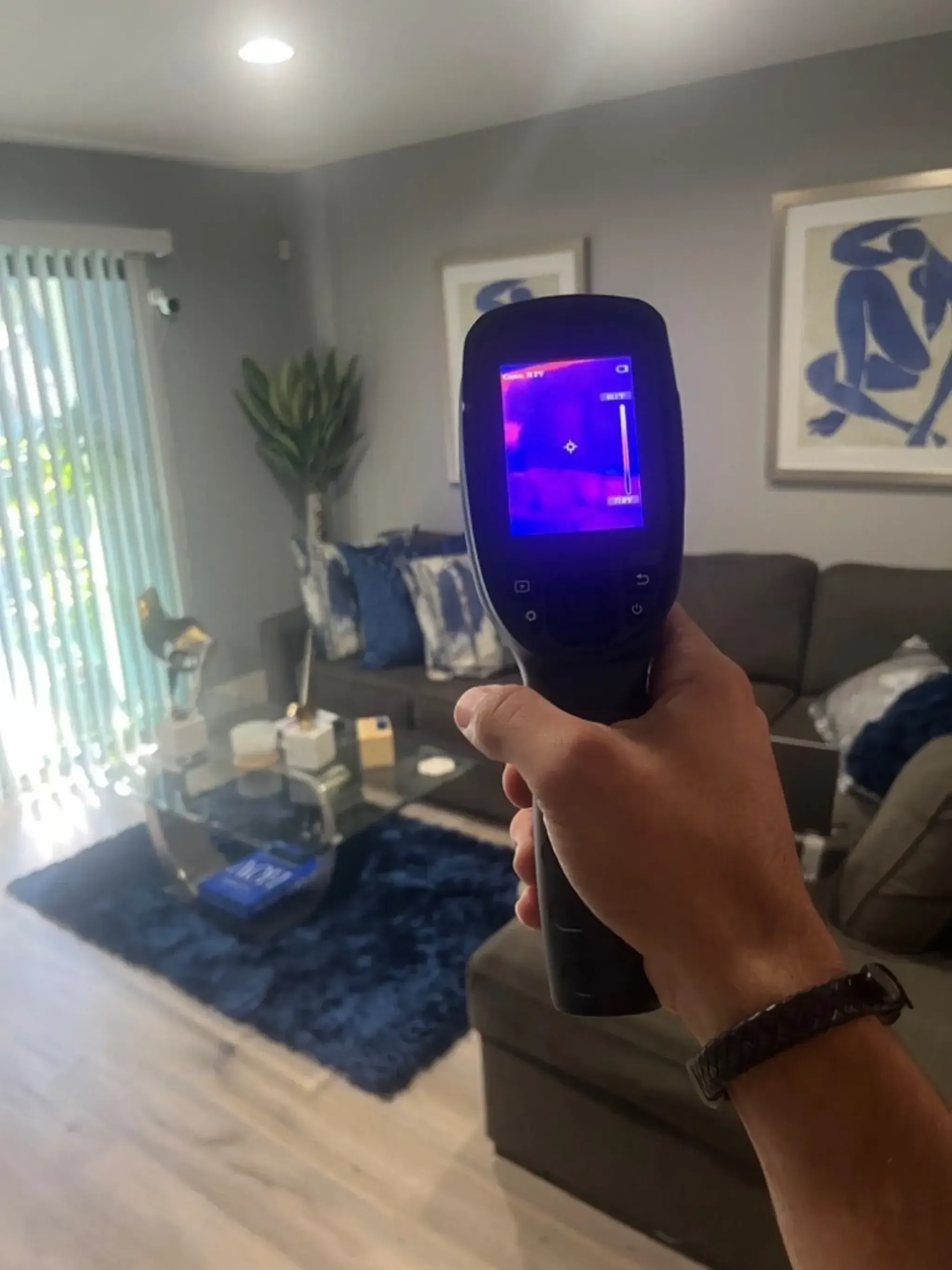

Many mold problems in New York City apartments are found in PTAC units and behind furniture. This article talks about where to look for hidden mold and when you should get help from a pro.
New York City apartment mold is more than just what you see in the bathroom or between shower tiles. Old buildings and NYC's humid air make it easy for mold to grow. Moisture can build up inside brick walls, PTAC units, radiators, and windows. Finding these hard-to-spot areas helps people notice mold early. That way, you can stop the mold before it causes lasting harm.
This guide shows the common places where mold can grow in NYC apartments. It also talks about simple ways you can check for mold. You do not need special tools to do this.
Key Highlights: Mold Hotspots in NYC Apartments
-
Mold can often be found around PTAC units, steam radiators, windows, corners, and packed closets. It is not just something you will find in bathrooms.
-
A lot of problems can start with slow leaks and water that gets stuck around PTAC units, steam lines, and window openings.
-
If you see white, powdery stuff on brick or stone, that means moisture is moving and there is a higher chance that mold may show up on things nearby.
-
Under Local Law 55, landlords in NYC who are covered by this law have to fix mold inside and deal with water problems that might cause it.
-
Old brickwork, drywall or paneling over brick, and more humidity indoors in NYC can make invisible spots where mold might grow and stay hidden.
Why Mold Hides in New York City Apartments
Many older brick buildings built before World War II have drywall or paneling placed straight on top of the brick walls. There is a small space between the brick and the drywall or paneling. Mold can grow in this area, and you may not see it. The brick soaks up water from rain, snow, and wet soil. This water can move inside the building. The part of the wall between the brick and drywall stays wet for a long time. There is no insulation or enough space to let the wall dry.
Many tall buildings in New York use concrete floors, steel beams, and PTAC openings in their outer walls. These things can make parts of the building feel cold. When warm air inside comes into contact with those cold spots, water can form there. This moisture may help mold grow.
In many units, you can see this as small spots where paint is bubbling or the plaster feels soft. This often happens under windows or near PTAC units. You might not see mold across the whole wall. These spots need to get dried and fixed the right way. This will help stop bigger mold problems from popping up later.
Poor air flow can make the problem even worse. A weak bathroom fan, new windows that close too tight, steam heat, and PTAC units can hold too much damp air inside your home. Some spots like corners, closets, and windows keep more dampness. This can help mold grow on your walls, furniture, and window sills if you do not keep the damp air under control.
Hotspot 1: PTAC Units and Wall Sleeves in NYC Apartments
High-rise apartments often have PTAC units built into the outside walls. A PTAC unit pulls water from the air, and this water falls into a bottom pan. If the pan does not drain right, water can stay there. This can make a place where mold can grow. Mold can then get on the coils, tray, and even the walls around it.
The PTAC unit frame can let water leak out. This can make the wall soft near the unit, even if the other parts of the wall look fine. If you smell a musty odor when you turn on the PTAC unit after it has not been used for a while, this means there could be mold growing inside the system.
What to Look For
-
Turn off the PTAC unit and take off the front panel.
-
Use a flashlight to look for water, slime, or mold inside the drain pan and the area around it.
-
Lightly press on any stained spots near the unit to see if the wall or plaster is soft or falling apart.
-
Take clear pictures of any problems or mold before you ask your landlord or property manager to fix it in writing.
Hotspot 2: Steam Radiators, Covers, and Pipe Chases in NYC Apartments
The valves and vents from steam radiators can leak water. This makes the floor, baseboard, and other spots around the radiator wet. The wooden radiator covers hold heat and moisture in. This helps mold grow in that area. The pipes for steam and hot water go from floor to floor. They can let in moisture and start mold that shows up in long strips across many floors.
What to Look For
-
Look at the floor and the baseboards under and around each radiator. Look for dark spots, peeling paint, or soft spots.
-
During the heating season, look at riser walls for bubbling paint and musty smells.
-
Pay a lot of attention to any up-and-down lines of stains or mold. These lines can mean there is water moving along steam or hot water lines.
Hotspot 3: Exterior Walls, Corners, and Packed Closets in NYC Apartments
The outside walls of NYC apartments are cooler than the inside walls. The spots where floor lines touch walls and where beams and slabs connect to walls have a higher risk for mold growth. When there is drywall and paneling here, it can hold water. This causes mold to grow as time goes on. Big furniture or stuffed closets against outside walls stop air from moving, and this builds up moisture and mold in those places.
What to Look For
-
Move large furniture a few inches away from exterior walls so you can see behind it.
-
Look at corners and along ceiling lines. See if there is any paint that looks faded, peeling, or turns into powder.
-
Look at the back walls inside closets that are on exterior walls. Check for dark spots, marks, or anything that shows moisture has built up.
Hotspot 4: Windows, Sills, and Below-Window Walls in NYC Apartments
Indoor heat and cold window frames and glass together can cause condensation. This can make mold grow. Water builds up on window sills and frames, and where the frames meet the walls, and this starts mold. The wood trim, sealants, and the paint around the windows get mold after being around this moisture for a long time. The brick around the windows can crack, and this lets rainwater get into the wall.
What to Look For
-
Check window sills and frames often for water or wet areas, mainly in winter.
-
Look for white, powder spots on the brick or plaster close by. These signs show water is going through the wall.
-
See if the wall under each window has paint that is peeling, cracking, or bubbling. Take photos if you see any changes over time.
You should talk to a licensed mold assessor if basic cleaning does not stop mold from coming back. If the mold problem is big in New York, you need a different licensed mold remediation contractor. They will follow the checker’s plan to do the job.
Under Local Law 55, the person who owns your building must fix mold and moisture problems fast. If the person who owns your building does not take care of the mold problem, you can ask for an HPD check by making a 311 complaint.
For bigger or more serious mold problems in New York, a licensed mold assessor should check the apartment. They will find the source and write out a plan for cleaning. A different licensed mold remediation contractor will then use that plan and do the cleanup work, as New York State's mold law (Article 32) requires.
Frequently Asked Questions About Mold in NYC Apartments
Does normal NYC winter cause mold on windowsills?
Small bits of mold can show up on windowsills during winter. This is because some old window designs let in more water. If you see mold coming back or the wood feels soft, it means there is still too much water around.
How can I tell if it is efflorescence or mold on my wall?
The white powder that you see, called efflorescence, shows up when water moves through brick or stone and then dries. You can usually get rid of this powder by brushing it off. Mold is different and harder to get out. A simple wipe will not take it away. Mold also looks different from efflorescence. It is darker and has a fuzzy feel.
Do I always need a mold test in New York City?
The presence of visible mold or a strong smell like must means you should think about getting a mold inspection in New York. This is very important if the problem happens again or is bigger than a small spot. A licensed mold assessor checks all the areas that have mold and creates a plan to fix it. A different licensed mold remediation contractor finishes the cleaning.
Final Word: Stay Ahead of Hidden Mold in NYC Apartments
Doing regular checks for mold in problem areas helps you find wet spots or mold growth early. This stops bigger damage or health troubles from happening. Make sure rooms have fresh air, fix leaks as soon as you see them, and save proof by taking photos and writing down what the problem is.
For help with mold inspection in NYC, check out Fast Mold Testing New York City or read about NYC mold hotspots in apartments.
Related reading
Frequently Asked Questions
- What are the most commonly missed mold hotspots in New York City apartments?
- The most commonly overlooked mold hotspots in NYC apartments are inside window air conditioner units, behind kitchen and bathroom vanity kickboards, inside closets on exterior walls, under bathroom flooring near the toilet base, and behind the drywall on the uphill side of through-wall plumbing stacks. These areas have persistent moisture exposure but are rarely checked during casual inspections.
- Why do NYC apartment exterior walls develop hidden mold that tenants never see?
- NYC exterior walls, especially in pre-war buildings with brick or stone facades, absorb rainwater and hold it inside the wall assembly for days or weeks. The interior face of that wall stays cool while the heated apartment creates a warm-moist zone inside the cavity. This is a perfect environment for mold to grow invisibly behind plaster or drywall without any plumbing leak involved.
- How much does a mold inspection cost for a New York City apartment?
- Mold inspections for NYC apartments typically cost between $500 and $800 (more for extensive inspections) depending on apartment size and the number of samples needed. Fast Mold Testing starts at our transparent rate with results in 1 to 2 business days. Their inspections include moisture mapping of hidden hotspot areas that visual checks alone will miss.
- How can NYC tenants prove mold is in the hidden hotspots their landlord claims don't exist?
- NYC tenants can prove hidden mold by getting a professional mold inspection from Fast Mold Testing that includes moisture meter readings at suspect wall sections and air sampling that compares indoor spore counts to an outdoor control sample. Elevated indoor spore levels relative to outside indicate active mold even when nothing is visible, giving tenants the documentation they need for HPD complaints or housing court.