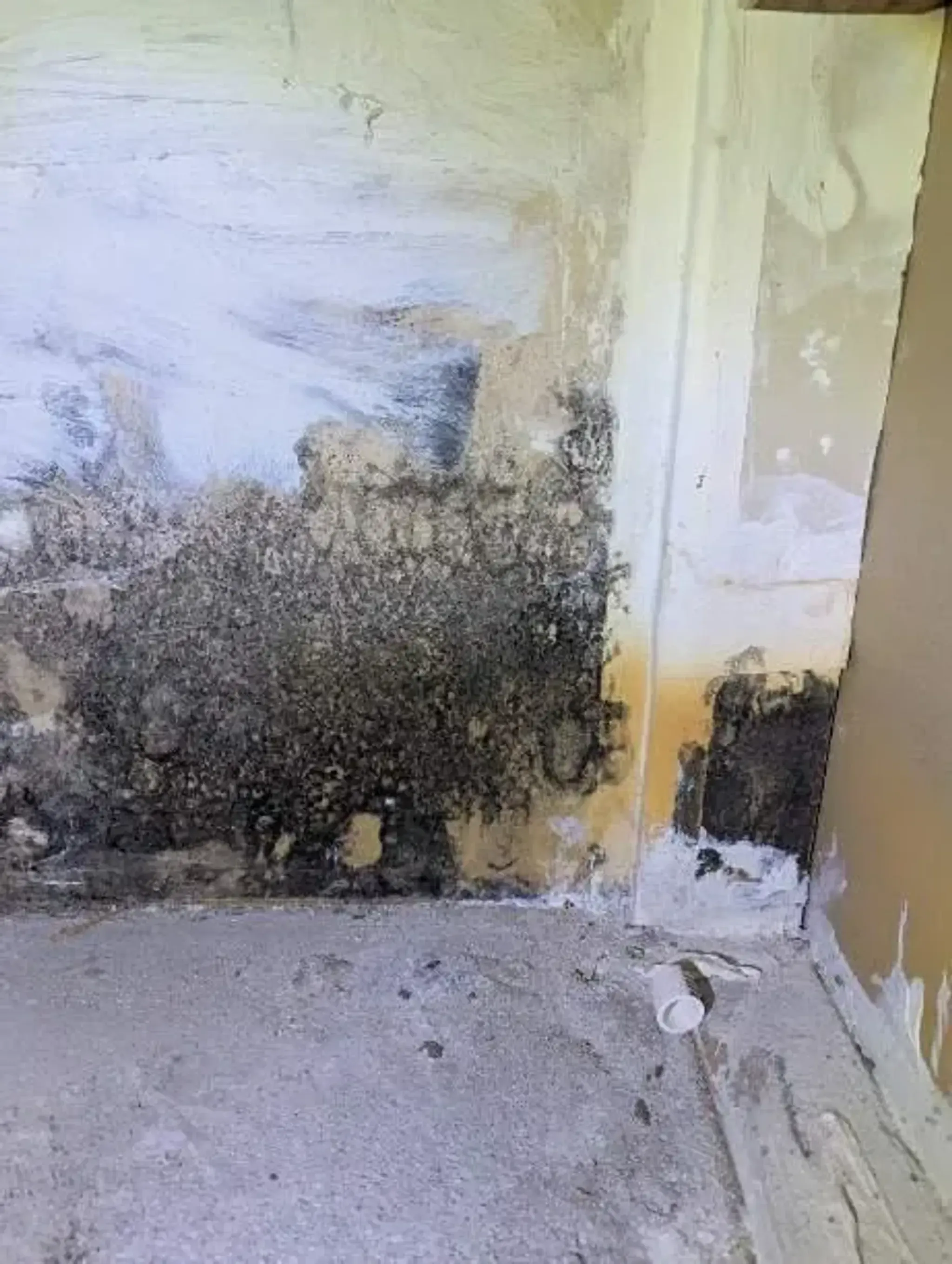

A tenant emails Facilities about a musty smell near the elevator. A retail manager flags brown ceiling tiles after the third storm this month. A building engineer checks above a drop ceiling and finds wet insulation over an open office.
In NYC, most commercial mold problems become bigger problems when coordination breaks down. The work spans multiple teams: HVAC, building envelope, plumbing, base building, tenant build-outs, and sometimes multiple suites.
This guide walks through how to coordinate commercial mold testing in NYC step by step. You will know what needs to happen, how to compare bids, and what “done” looks like, without shutting the building down.
Key Highlights
-
Commercial mold testing begins with moisture mapping and a written plan. It does not start with random sampling.
-
For projects larger than 10 square feet, New York State requires a licensed mold assessor to perform the assessment and a separate licensed remediation contractor to perform the work.
-
If NYC Local Law 61 of 2018 applies, NYC DEP filings will be part of the project timeline.
-
Tests are used when there needs to be an answer, such as “is this stain mold or soot?” or “did the cleanup work?”
-
Downtime is kept low by planning for containment, keeping HVAC systems apart, working after hours, and making sure changes are clear to all.
Request help through Fast Mold Testing New York City.
What Commercial Mold Testing Includes
In a commercial building, when people say “testing,” they often mean the full assessment process. A mold inspection at a commercial place is more than just walking through the space and taking one air sample.
A strong commercial mold testing process starts with a structured site walkthrough. It will also look for where the water spread to and find out what started the problem. In NYC, this will often mean checking above ceilings, around fan coil units, inside mechanical rooms, along outside window lines, and near where pipes run.
Sampling is just a tool. It is not the whole plan. The best commercial mold testing uses samples when you need to answer a question. For example, you might use it to find out if a black stain is mold or something like city dust. You can use it to establish a baseline for a tenant claim. It also helps to have proof after cleanup has happened.
The main thing you get is the written plan and report. In a workplace, this report is used for your bid spec. It also works as a record to show you followed the rules. It will show what was found, what was fixed, and what the finished job looked like.
NYC Rules That Change How Commercial Mold Work Runs
NYC commercial mold work, for buildings that need it, has to follow state licensing rules and city oversight. These rules shape how vendors do their work. They also guide how you get paperwork done and when tasks need to happen.
NYS Labor Law Article 32: Assessment And Remediation Are Separate Roles
New York's Mold Program has rules for getting a license and sets basic standards for mold assessment and cleaning. The program also has a rule that makes sure there are fewer conflicts of interest on the projects it covers.
For property managers, this means things are simple. On big jobs, you might need two licensed people. A licensed mold expert writes what work needs to be done and how you will know when it is finished. A different contractor with the right license does the job.
This separation keeps you safe from any “find mold, sell cleanup” pressure. It also makes it easier for you to explain the work you want to do when tenants, insurers, or their lawyers ask how you decided what needs to be done.
Reference: NYS DOL Mold Program
The 10 Square Foot Threshold And Why Commercial Jobs Cross It Fast
Ten square feet may not seem like much at first. But when you look at real building conditions, it's different. A wet wall behind millwork can be bigger than that. If there is a ceiling leak, it can spread to many tiles, several insulation bays, and even the framing once you open the space up.
Even if a stain is not big, the business risk can still be high. Things like bad smells, HR issues, talking with people who rent, and stopping work can all push the time frame.
Licensing Reality Check: Roles You Should Confirm
In big office buildings, you need to do more than just check the company name. Make sure you find out who is allowed to do which job.
-
Mold Assessor. This is the company that performs the assessment work.
-
Mold Remediation Contractor. This is the company that does the cleanup work.
-
Abatement Workers. These are the people who do the hands-on work.
-
A Remediation Supervisor. This is the person who looks after the crew and makes sure the work goes by the plan.
NYC Local Law 61: DEP Filings For Certain Large Buildings
NYC Local Law 61 of 2018 requires DEP filings for mold work in certain covered buildings. If this law is for your building, it will change the main steps you need to take.
In practical terms, two filings are central.
-
A Mold Remediation Work Plan Notification Form and Mold Remediation Work Plan are filed before the work begins.
-
A Post-Remediation Assessment and required certification are filed after the job is done. This confirms that the problem was removed and corrected.
Reference: NYC DEP Mold Abatement
Common NYC Commercial Moisture Scenarios That Trigger Commercial Mold Inspections
Commercial mold inspections in NYC are often triggered by familiar patterns. If you recognize the pattern, you can investigate faster and reduce repeat issues.
HVAC Systems As Amplification Sites
In the commercial buildings, the HVAC system can take a small moisture problem and spread it to more parts of the building. Drain pans, cooling coils, and wet insulation can give the moisture a way to stay and grow.
Common things that cause this are water drops in the ductwork, cold water pipes getting wet, and damp spaces above ceiling tiles. Another big problem is ducts that have a soft inside layer. If the fiberglass inside a duct gets wet and starts to grow mold, just cleaning it is usually not enough. You may have to take out and change the old layer.
If the problem starts in a rooftop air handler or the central unit, it is not just in one place. The air can move smells and bits of dust to other spots. In these cases, there should be careful steps to keep the HVAC system closed off. It is also good to use negative pressure when you clean.
High-Rise Envelope Leaks And Wind-Driven Rain
In NYC, building envelope issues are not often simple. Water can get in during storms because of gaps in the walls, window flashes, or failed sealants. The spot where you see water is often not right where the water actually comes in.
Water can move along steel, fall down from a beam, and be seen two bays away. It can also show up as damp spots again and again at window frames, which includes the lintel and where the flashing is.
Energy Retrofits And New Condensation Zones
NYC energy retrofits can help make buildings tighter. They can lower how much outside air gets in, and also change how dew forms on cold parts of a building. After the outside walls or insulation get an upgrade, you might see new water drops at the corners of windows, outer walls, or hidden spots where different parts meet.
In places where people work or do business, these problems often come up as a musty smell. Sometimes there are stains that appear and go away. People may also complain about things that do not match what someone can notice during a quick look around.
Pipe Chases, Fan Coil Units, And Hidden Wicking
Leaks in risers, pipe chases, and fan coil units can bring water into the walls and ceilings. You may see that the corridor side looks fine, but the other side smells bad. There are times when one room has stains while the water comes from a shared pipe area.
In commercial places, the words "dry on the surface" can make people think the paint is dry when it's not. The inside can still be wet even if the top part of the paint looks fine.
Reference: NYC DOH Mold Guidelines
Assessment First: Moisture Mapping And Root Cause
A commercial mold testing process begins with a simple question. What is causing the moisture?
What The Assessor Is Doing In A Real Building
A commercial assessment is both paperwork and checks.
-
Picture documentation with measurements and notes about where things are.
-
A pinless meter checks for wet spots in large areas fast.
-
A pin meter checks again to see what is still wet.
-
A heat camera helps find wet spots, and moisture readings check if this is right.
In commercial projects, the person doing the check has to look for water past the first spot. The aim is to find where the water stops in the insulation spaces, ceiling gaps, the bottom of walls, and areas at the edges.
Moisture levels can change based on what the item is. A good way to check is to look at wet readings and compare them to a dry spot near it. If you have wood, high moisture can mean more risk for mold. This is true if the levels stay high even after you try to dry the wood.
Just as important, the person checks to see where the water came from. Is it because of condensation from the air system, water coming in from outside, or from plumbing, or did it happen just one time. That main reason will show how to clean it up and stop it from happening again.
What You Should Receive At The End Of Assessment
You should get a paper that shows what will be done. It should read like a bid.
At minimum, it should include.
-
Find out where the water is coming from.
-
Measure the part that got wet and show the edges.
-
Fix the problem in easy-to-follow steps.
-
Write down the rules for when the work is done before you start.
That clear view is what makes it easy to see how much each vendor charges.
Sampling Strategy: When Testing Helps And When It Does Not
Commercial sampling helps the most when you need an answer that will affect risk, daily work, or how much work is covered.
When Sampling Is Often Unnecessary
If you see mold on things that can soak up water, you should take those things out and fix the water problem. The kind of mold will not change what you do.
Sampling can make things unclear in buildings where people live or work, especially if you do not have a plan. A number on its own is not helpful. If there is no way to compare it or make a choice from it, you cannot use it well to handle tenants.
When Testing Helps In Commercial Buildings
Commercial mold testing helps a lot when it gives you answers to your business questions.
Air samples, often spore traps, can help make a record of the air before and after for tenant claims. The main thing to do is look at how the places compare. Indoor results should be read by looking at the outdoor air and by looking at another area in the building that is not part of the problem if possible. For example, if you get a much higher read inside, compared to the air outside, it means there may be something inside that needs to be checked.
Surface sampling can help you find out if a stain is really mold or if it is something else, like soot or dust from building work. In NYC, knowing this early can help you save time and keep you from having to do extra cleaning that you do not need.
There are DNA-based tests that are more advanced. But it can be hard to read the results in business arguments. This is because these tests can find both live and dead things. So, you should use them only if you know why you need them and you have a plan to read the results.
If the result does not change what you decide, just skip it.
The Two-Plan System: Mold Remediation Plan Vs. Work Plan
Commercial projects go better when you keep scope and logistics apart.
Mold Remediation Plan: The Scope Document
This plan is made by the person who checks things. It shows what to do and how much to do.
It should define.
-
What to take out and where it should go.
-
Level of keeping things in one place.
-
Cleaning actions like using a HEPA vacuum and wiping with a damp cloth.
-
Steps to check if cleaning is done and what to look for.
This is what you bid against.
Mold Remediation Work Plan: The Logistics Document
This plan is made by the person or company, who is fixing the problem. It shows how the work will be done.
In commercial settings, it should cover.
-
Containment design, with barriers and decon setup.
-
Where negative air equipment will be, and how to keep the right air pressure.
-
How to keep the HVAC separate and how air will move in the space.
-
Where waste will travel in the building.
-
Any chemical that will be used must be shared. A contractor should not fog a space without putting it in the plan.
In NYC, these things matter. The path for the freight elevator, times you can use it after normal hours, when to use the loading dock, and how to sign in with security can decide if the job will bother people who live or work there.
Coordination Model That Prevents Downtime
A mold cleanup job for a business can go fast if everyone works well together. Here is the way to keep things moving and stop any open-ended problems.
Step 1: Stabilize The Water Source And Protect Operations
Stop leaks that are still going and keep things from getting wet again. You might need to block off a fan coil unit, shut off the part of the pipe that's leaking, or put up a cover just for now until the real fixes can be done.
Protect the inventory, IT closets, and important equipment as soon as you can. Choose what areas need to be closed off right away. Then think about which ones you can leave for a planned start later.
Step 2: Use The Scope To Create Apples-To-Apples Bids
Bid based on the written Mold Remediation Plan, not after just walking through the place. Walkthrough bids often change because each company thinks about a different way to keep mold in and set their own limits for what they will remove.
Ask for the price of each unit for any add-ons that might come up. This can include more ceiling bays, extra feet of wall opening, more HEPA cleaning hours, and extra testing after the work.
Read what is not covered. Common exclusions include contents moving, ceiling rebuild, and reconstruction.
This is where commercial mold remediation services need to focus on how well they do the work, not add extra steps that are not needed.
Step 3: Vet Vendors Like A Risk Manager
Check the licenses for the firm and for the people at the site. Make sure they have worked in buildings where people still live or work.
Then make sure to check the insurance. A lot of vendors have general coverage, but it does not fully cover mold work. For business jobs, ask if they have pollution coverage and if it works for the job you have.
If you are looking at different commercial mold removal companies, you are also looking at how they do containment. The best commercial mold removal experts will tell you their containment and HVAC isolation plan in clear words.
Step 4: Phase The Work So Tenants Can Keep Operating
Phasing helps to lower downtime. Break the work into zones. Use rolling containment when you can. Pick nights and weekends to do things that make more mess or noise, like opening ceilings, taking out wet insulation, and moving bagged debris.
Set a clear rule for change in the plan. If someone finds hidden mold outside the set area, stop the work. Let the assessor check the new area. After that, write down the change. This stops people from making the area bigger without any papers to show the reason.
Post-Remediation Verification: What “Pass” Looks Like
Commercial verification should be easy and clear.
Start by taking a look at the area. If you still see dust or dirt, the project is not set for sampling yet.
Next, you need to check the moisture. If there is still moisture in the wall, the mold will come back. The fix will not hold, even if the wall looks clean right now.
Then address air and surfaces based on the plan.
-
Air samples should be checked and compared with outdoor air. When you can, also check with an indoor area that is not affected.
-
Some molds found in places with long-term water damage can be a warning sign in indoor air, even if the total count does not seem high.
-
Surface checks can show if parts of the building are clean before the wall is closed.
It is common to not pass the first check. In the workplace, the main reason is leftover dust.
Your contracts should make it clear who is responsible. If the cleanup fails because the work was not done well, the remediation contractor should clean the area again and test it. If the cleanup fails because the area got wet again from a problem that was not fixed, the building needs to be checked to find out where the problem is coming from.
Documentation For Tenants, HR, And Compliance
In places where people do business, keeping records is a part of the work.
Keep a summary that is easy for the person using the space to read. Keep it calm and clear. Say what happened. Tell what steps are being taken. Share which areas are affected. Say what people should do to be safe.
Keep a project file with.
-
Photo log and measurements.
-
Moisture mapping notes.
-
The written plan for the work.
-
PRV or clearance documentation that shows the area is ready to re-occupy.
-
NYC DEP filings and confirmations when Local Law 61 applies.
FAQs
Do You Do Commercial Mold Cleanup?
This guide is about commercial mold testing and checking. For big jobs in New York City, the law may say you need different people for checking and cleaning up mold. This is to make sure that what needs to be done is clear and does not change.
What Does A Commercial Mold Inspection Include?
Commercial mold checks often have a set site review, mapping for moisture, and a written plan. Testing is done if it helps answer a question, like if you want to know what a spot is or need proof the work is done the right way.
Do You Coordinate With Our Remediation Vendor?
Yes. All the plans and papers help with the work. The report says what needs to be done. So, your team can say how much it will cost and do the work without guessing. It also lists out the way to clear the area before any work starts.
How Do I Find Commercial Mold Cleanup Services Near Me?
If you are looking for commercial mold cleanup services near me, first ask if they can follow an independent plan. Check if they have worked in buildings that have people inside. It also helps to see if they know about keeping HVAC separated and working in planned steps.
Final Word
In NYC, commercial mold projects can move ahead faster when you begin with an assessment. It is helpful to put the plan in writing. You should do the work in parts, especially when people are still in the building. A site can be cleared with solid checks at the end.
Request commercial mold testing and a written plan through Fast Mold Testing New York City.
Read more about Expert Mold Removal Services in the Digital Journal.
Frequently Asked Questions
- What New York State licenses are required for commercial mold testing in NYC?
- New York State needs a licensed mold inspector to do the check. You also need a licensed cleanup contractor for jobs with mold bigger than 10 square feet in NYC commercial buildings. The inspector and cleanup team must be from other companies because of state labor rules.
- How much does commercial mold testing cost in NYC for a mid-size office building?
- Commercial mold testing in NYC for a mid-size office building usually costs between $2,000 and $10,000. The cost depends on the square footage, the number of floors, and if HVAC checks are included. Fast Mold Testing works with building owners and managers in New York to set up checks that fit tight timelines.
- What should a commercial mold testing report include for a New York City building?
- A commercial mold testing report for a NYC building should include moisture readings for the whole area, air and surface sample results compared to outdoor control samples, a map showing where problems were found, a full list of where mold was found, and suggestions for what to fix. Without this, the report will not hold up for insurance or legal use.
- Can NYC commercial tenants withhold rent if their landlord ignores a mold problem in the building?
- Commercial tenants in NYC do not have the same rights as people who rent homes. But a lease with repair rules, a breach of the implied warranty of habitability in some cases, or a claim of constructive eviction may give tenants ways to fight back. A certified mold report from Fast Mold Testing will be key proof in any of these situations.