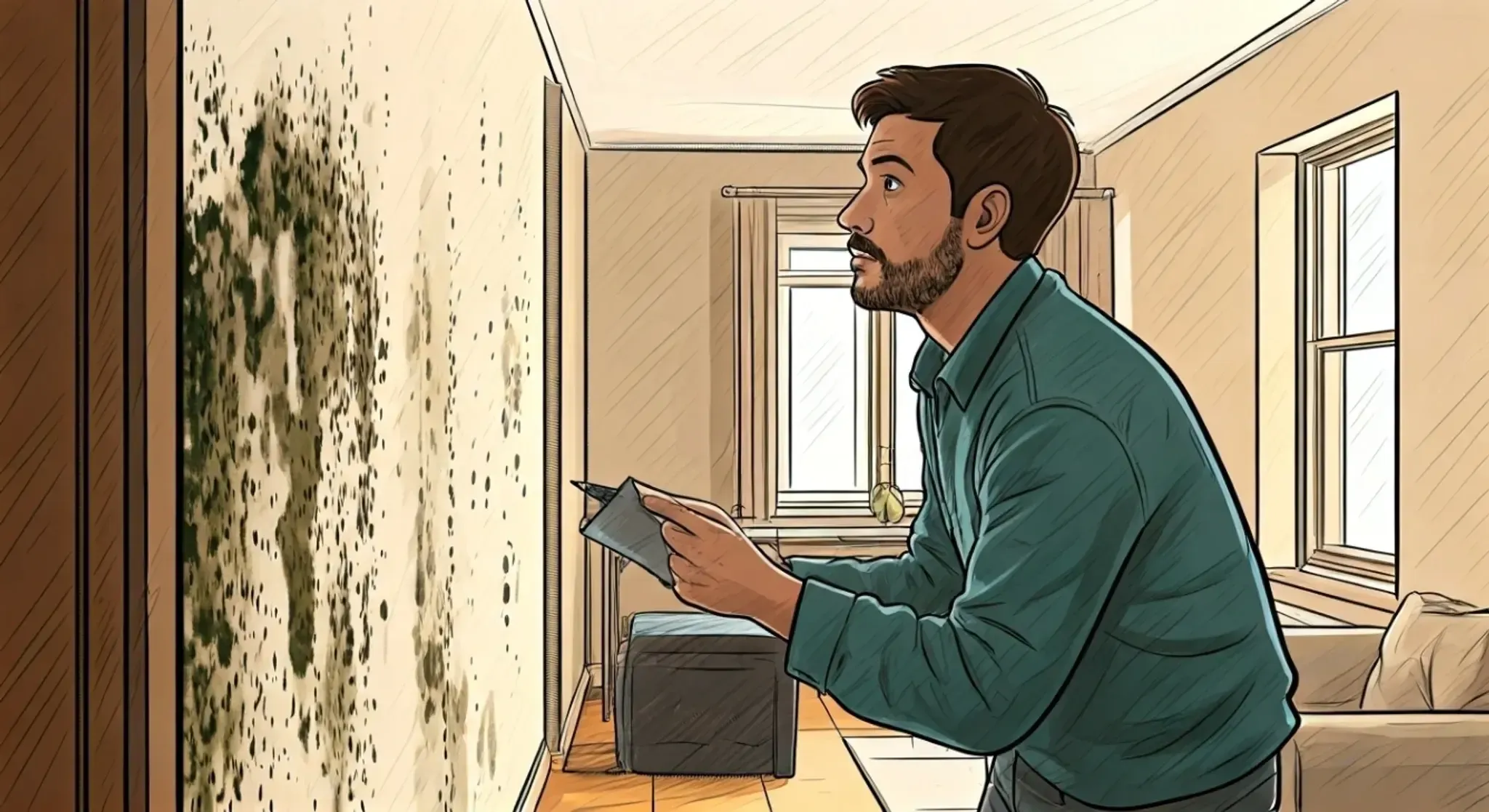

Found mold in your apartment? As a renter you have the right to a habitable home — which in most states means your landlord must fix the moisture and the mold, and can't retaliate if you report it.
Key Highlights
- Mold issues in rental homes can be bad for your indoor air and your health. It is important to deal with them right away.
- Mold exposure may cause problems breathing, skin problems, and other health effects. Some, like black mold, can be extra harmful.
- Landlords must keep homes safe and free from mold. This is the law, and it is called the “implied warranty of habitability.”
- The main reasons for mold growth at home are excess moisture and not enough air moving through. Good indoor air quality is important.
- Tenants have rights from both U.S. and state laws. These laws help keep places safe to live and explain what to do for cleanup.
- Doing professional mold testing and keeping good records can help renters show proof and get landlords to fix mold problems and improve indoor air.
Understanding Mold in Rental Properties
Mold can show up in rental homes without you noticing at first. It can make indoor air worse and hurt the health of people who live there. You need to look for common signs of mold, like a musty smell or odd spots on the wall. This can help you find moisture problems before they get out of hand. Mold grows best in wet areas and there are many types of mold. Mold spreads through tiny spores in the indoor air. If you do not take care of it, mold may cause big health effects for people. If you know what causes mold growth, such as water leaks or no air moving, you can start fixing the problem. Steps for mold remediation can help you fix indoor air quality. This will make it safe for all people who stay inside the home.
What Is Mold and Why Is It a Problem for Renters?
Mold is a type of fungus. It likes to grow in places that are wet. Mold can be bad for your health. It can also damage your things and your home. If you rent your home, mold can cost you a lot to fix. It may also break the rules of your lease. Knowing what mold can do will help tenants speak up for their rights in the best way.
Common Causes of Mold Growth in Rental Homes
Excess moisture is usually the main cause of mold growth in rental homes. It can be there because of leaks in the roof, plumbing issues, or if there is not enough ventilation. All of these can make humid air stay inside the home. High humidity, especially in places that are always damp, makes it easier for mold spores to grow. Bad indoor air quality is another problem, as still air helps keep more moisture. You need to know about these reasons if you want to keep your living space healthy and protect it from mold. Good indoor air, high air quality, and keeping excess moisture under control help stop mold growth and make indoor air better.
Your Legal Rights as a Renter Dealing with Mold
To deal with mold issues in a rental property, it is good to know your legal rights. There are both federal and state laws for this. These laws say your landlord has to keep the place safe for you to live in. If there is excess moisture or the indoor air does not flow well, the landlord must fix the mold problems in the rental property.
Landlords have to do mold removal if there is a problem in the rental property. They need to make sure the indoor air and air quality are safe for people living there. If the indoor air quality is not good, the landlord has to do mold remediation. Knowing about these rights can help renters feel safe. You can get legal help if the landlord does not fix mold issues in your rental property. This makes sure you and other people get safe indoor air quality.
Federal and State Laws Protecting Tenants
Tenants have rights under both state and federal laws. The law says that every rental property has to be safe and comfortable for people to live in. The Fair Housing Act helps stop unfair treatment. It also makes sure renters get safe homes. Many states have their own rules about mold, too. These rules say that landlords must fix mold issues fast. This way, tenants do not face mold exposure for a long time.
With these laws, renters get help when there are problems like mold, which can make a home not safe to live in. You can ask for fixes, so the indoor air and air quality stay good. These rules make sure that your indoor air quality at home stays safe. They stop mold exposure and unsafe mold issues from hurting you or your family.
Landlord’s Responsibilities Under U.S. Law
Landlords have to make sure a rental property is safe and feels good to live in. They need to fix mold issues fast so people can breathe clean indoor air. In the U.S., the law says landlords must deal with mold as soon as they know about it. They have to check for mold, find out what is causing it, and do mold remediation if needed.
Landlords also have to fix any moisture problems, like leaks, that can lead to mold growth. If they do not handle these things, indoor air and air quality can get worse. Not taking care of mold issues or moisture problems can bring big trouble for landlords because their rental property must be a good place to live in by law.
How to Recognize Mold Issues in Your Rental
Spotting possible mold issues in a rental property means you have to be alert. The signs of mold can be easy to see. Look for places on the walls or ceilings where the color looks different. Watch out for water stains too, as these show there could be excess moisture. If you feel a bad smell in the indoor air, it could be a sign that mold is there. It may also hurt the air quality. Some people feel Mold exposure by coughing, sneezing, or having itchy skin. These are some common signs of mold that you can notice. Regular indoor air quality testing checks for mold spores in the rental property. Doing this helps keep the indoor air better and protects your health. It is smart to act early so you can stop air quality problems before they start.
Signs and Symptoms of Mold Presence
Mold in your rental can be easy to spot if you know what to look for. Look for mold growth on the walls, ceilings, or other places in the home. It might show up as spots, stains, or areas that look fuzzy. A strong musty odor is common too. This smell means mold spores are in the indoor air.
When mold is in the rental, it can make the indoor air quality worse. This can lead to health effects like trouble with breathing, feeling tired, or even skin problems. It is good to look for these signs early. If you catch them in time, you can have mold remediation done fast. Doing mold remediation will help make the indoor air quality safe for all people in the home.
Health Risks Associated with Mold Exposure
Mold exposure can lead to many health problems. It can be more harmful to people who have breathing issues, allergies, or a weak immune system. Some signs to look out for are a cough, a stuffy nose, and skin that feels itchy. If you are around mold spores for a long time, then asthma can get worse. It can also lead to breathing problems that last. Some people feel the health effects more, so they may get headaches or feel very tired. To make the indoor air and air quality in your home safe, you should get mold remediation and check on things often. This helps to protect us from the risks and health effects that come with mold exposure and mold spores.
Taking Action If You Find Mold
It can be tough to see a mold problem in your place, but you need to move fast if you see any signs of mold. Start to write down each sign that points to mold. Include any health effects that you or other people feel because of it. This helps you make and keep a clear record for later. Make sure you tell your landlord about the mold problem, and do it in writing. Say what your rights are as a tenant when you write to them.
It is good to get a professional to do mold testing. This can help you know how serious the problem is. Mold spores in the air can get into the home and may hurt your health. That is why you need to check the air quality. After you tell your landlord, keep in touch with them. Make sure that all cleaning or repairs get done the right way.
What You’ll Need to Get Started (Equipment, Documentation, etc.)
Getting the right things and paperwork is key when you have mold issues in your rental. First, pick up tools like an air sampling kit for indoor air quality testing. You need a moisture meter too, to look for excess moisture. Always wear protective gear such as gloves and masks when you deal with signs of mold. Take photos and write down details about what you see. List the date, location, and the signs of mold or water damage. This is helpful for talking with others about what you find. It can also help move along mold remediation. Doing this can also help keep your indoor air good, making your living area feel better.
Step-by-Step Guide to Addressing Mold Problems
To fix mold problems, you need to follow some easy steps. This is the best way to keep everyone safe and follow the rules. Get the right tools. You will need things like an air quality tester and some protective gear. Look at the area very well. Write down everything you see about the mold growth. Check if there are signs of water damage or not.
Next, tell your landlord about it in writing. Give them all the notes you took about what you found. You should set up mold testing by a professional. A pro can help find the type of mold in your place. This will show you what needs to be done.
Watch the process. Make sure air sampling is done right. Keep looking after the work is started. This makes sure the mold removal is done well and you have good air quality in your home.
Step 1: Document the Mold Problem
It is important to keep a clear record if you have a mold problem. Start by taking good photos of any mold growth or signs of water damage that you see in your home. Also, write down where the mold is and how much there is. Be sure to note the dates when you first saw the problem. Keep track of any health effects you feel and pay attention to any changes in indoor air or indoor air quality. This information will help when you talk with others about mold remediation. It can also help lower health risks from mold exposure. Good notes make it much easier to show what is happening and to get help for the mold problem.
Step 2: Notify Your Landlord in Writing
Letting your landlord know about a mold problem in writing is very important. A written note is the best way to make sure there is a record of the mold problem. You should write an easy-to-read message that talks about the signs of mold you see in the home. Remember to talk about any health effects you or other people may have because of it. Make sure you tell them how mold can hurt indoor air and lower air quality, too.
Point out the exact spot where you found the mold. Let them know if you see any moisture problems that might have caused it. These details help to make it clear what is happening with the indoor air in the home. This can also show if there is a problem with air quality or indoor air quality.
This written notice is there to protect your rights. It also can help make sure mold remediation starts sooner. Be sure you have a copy for your own records, too.
Step 3: Arrange for Professional Mold Testing
Knowing how bad a mold problem is will usually mean you need help from a professional. Mold testing is very important. A pro can use air sampling and look for any moisture. This helps them find out how much mold spores there are in your indoor air. This check will let you know more about your indoor air quality and what types of mold could be there. The written results from mold testing can help when you talk with your landlord or if you have to start any mold remediation work.
Step 4: Follow Up on Repairs and Remediation
After mold remediation is done, you should keep watching the area closely. Keep talking with your landlord if there are any problems that show up after the repairs. If you see signs of mold or find moisture problems again, write them down. This can help if you need to do something else later. It’s a good idea to think about regular indoor air quality testing. When you test the indoor air, you can make sure that mold spores are not still in your rental property. This can help keep you and others in the home healthy. Indoor air quality is very important after mold remediation.
Step 5: Know When to Seek Legal Help
If you keep dealing with mold issues, even after you try to fix them, it can help to talk with legal professionals who know about tenant rights. Keep records, such as maintenance requests, mold testing reports, and photos that show mold growth. These can make your case stronger if you need to talk to your landlord or someone else. Knowing the local rules about mold remediation can also help you understand what to ask your landlord for when there is a problem. If your health is not good because of mold exposure, you may need to get legal advice right away. This can help you deal with any mold issues and find the right help if your landlord does not fix things.
Preventing Mold in Your Rental: Tips for Tenants
To keep your rental free of mold, you have to pay close attention and act early. Watch for signs of water damage and fix moisture problems right away. This will help the indoor air stay clean and fresh. It can also stop mold from growing in your place. You can use exhaust fans when you shower, make sure there is enough fresh air in rooms that get too much moisture, and keep the air inside dry. These steps can really help with mold growth.
If you do regular air sampling and deal with any mold spores you find, it keeps your air good for everyone living there. Taking care of these things can give you and the people you live with a safe and healthy space.
Proactive Habits to Keep Your Home Mold-Free
Keeping your rental property free of mold is not hard if you follow a few simple steps. First, look for spots in your home that can have excess moisture. The kitchen and bathroom are often wet, so check them often. Make sure there is good air moving in these rooms. This will help stop mold growth. A dehumidifier is good for lowering moisture in the air. Using this can make the indoor air feel better and will help air quality. If there is a spill, use a towel to clean it up right away. Always keep all surfaces dry so mold spores do not have a place to live. Watch for signs of water damage, and fix all of these as soon as you see them. When you do these small things, you help keep your rental property safe and raise the level of indoor air quality. This is good for all people living in the home and will help everyone feel more at ease.
Conclusion
Knowing your rights as a tenant about mold is very important. This helps you keep your living space safe for you and your family. You should know your legal rights and what steps to take to keep the indoor air good. Be sure to look for any problems and write them down. Talk with your landlord as soon as you see an issue. This can help mold remediation happen sooner and protect the indoor air quality in your home. When you know what to do, you and everyone in the house will feel better. The more you know, the easier it is to deal with mold and keep your home safe and healthy.
Frequently Asked Questions
Can I break my lease because of mold?
Yes, you might get to break your lease if there is mold. This can happen if there is a risk to your health or if it breaks housing rules. You should take photos or write about what is wrong to have proof. Let your landlord know about the problem as soon as you can. Before you leave, check your local laws to see what your rights are.
Is my landlord required to pay for mold removal?
Yes, most landlords have to pay for mold removal if the mold is there because of a maintenance problem or they did not take care of the property. If you live in a place that you rent, be sure to write down when you find a problem. Let your landlord know in writing. There are laws in some places that say who needs to do mold remediation and who will have to pay for it.
What happens if my landlord ignores my mold complaint?
If your landlord doesn't answer when you tell them about mold, be sure to save all the messages you send and any photos of the mold you see. You might be able to stop paying rent, ask your landlord to fix the problem, or go to court. Every state has different rules for renters in these cases. So, it is important to know what rights you have.
Can I withhold rent if there is mold in my apartment?
If you want to stop paying rent because the apartment has mold, the law may let you do that. You must have the right papers to show why. It is a good idea to speak with your landlord about it. Check what the rules are in your area. It also helps to talk to a lawyer. This can keep you safe and help you handle things the right way.
Related reading
Frequently Asked Questions
- What are the basic rights renters have when mold is found in their rental?
- Renters generally have the right to a habitable living environment, which includes freedom from mold caused by the landlord's failure to maintain the property. Most states require landlords to repair mold conditions once they receive written notice. Specific remedies like rent withholding, repair and deduct, and lease termination vary by state. A professional mold inspection from Fast Mold Testing starting at our transparent rate gives you the documented evidence that makes any of these remedies viable.
- Does a renter need a professional mold inspection to exercise their rights against a landlord?
- While not legally required in most states, a professional mold inspection report dramatically strengthens a renter's position. Landlords, housing courts, and code enforcement agencies treat a certified inspection report with moisture data and lab results from Fast Mold Testing as far more credible than photos or verbal descriptions. Without professional documentation, landlords can more easily dispute the severity of the condition or claim the tenant caused it.
- What is the first step a renter should take when they discover mold in their apartment?
- The first step is to document the mold with dated photographs, then send written notice to the landlord by certified mail describing the location and extent of the mold. Getting a professional inspection from Fast Mold Testing before or alongside this notice creates an independent record of the condition at the time of discovery. This timeline of notice plus documented condition is the foundation of any renter rights claim.
- Can a landlord legally blame renters for mold and make them pay for remediation?
- A landlord can only charge a renter for mold remediation if they can prove the mold resulted from the renter's negligence, such as blocking ventilation intentionally or failing to report a plumbing leak. If the moisture source is a building system failure, structural defect, or the landlord's deferred maintenance, the renter is not responsible. A professional mold inspection from Fast Mold Testing that identifies the moisture source is the key evidence that determines responsibility.