
Understanding Tenant Rights for Mold in Rentals (Los Angeles)
Key Highlights
-
Tenants have certain rights about mold in the places they rent. These rights are supported by California habitability laws.
-
A landlord must give a safe place to live. This means the place should not have mold dangers. California law and Los Angeles County housing standards make sure of this.
-
If there is mold in a Los Angeles rental, tenants should report it right away and keep good records.
-
Tenants can ask for rent changes, money back, or take legal steps if their landlord does nothing about mold problems.
Introduction
It is very important to keep a healthy place to live, especially if you stay in a crowded city like Los Angeles. Older buildings and wet air from the coast can make moisture get inside. This can lead to mold in your rental home. Mold can make the air inside bad to breathe. This can also hurt your health. You might feel problems when you breathe and have other serious health troubles.
In California, and in Los Angeles County, the housing and public health groups see mold and ongoing moisture as problems that can make a home unsafe. It is important to know your rights about mold problems in the place you rent. If you know your rights, it can help you have a safe and healthy home. This blog post gives you important details about these rights and helps people in Los Angeles face problems with mold in the place they rent.
Tenants' Rights Regarding Mold
Tenants often feel lost about what their rights are when it comes to mold assessments in Los Angeles. The good thing is, California law and local Los Angeles housing codes are there to help tenants stay safe.
Tenant rights can be different in each state. In California, these rights are linked with the need for the person renting out the property to keep the place good to live in. Landlords must take care of mold problems by conducting mold testing in la.
This means that landlords must take care of mold problems in the rental homes. If they do not fix these issues, there can be trouble for the landlord under the law. When mold problems are not fixed, tenants have choices for what to do next.
Implied Warranty of Habitability Explained
One important law that helps renters in California is called the implied warranty of habitability. This rule makes landlords keep rental homes safe and good to live in. In California, any problems that can hurt your health or safety can break this rule. This includes things like mold from water problems that are not fixed.
In Los Angeles, housing inspectors often look at mold you can see, water coming in, and places that stay damp as things that can affect if a home is good to live in. Landlords must take care of these problems quickly after they hear about them. This is true even if the lease does not talk about mold.
If landlords do not meet this rule, tenants can take legal action. This is true if mold causes health issues or makes the place hard to live in.
(Reference: California Health & Safety Code; Cornell Law – Implied Warranty of Habitability)
Variations in State Laws Concerning Mold Remediation
The implied warranty of habitability sets a basic standard, but rules for mold are different in each state. California does not set any specific mold limits with numbers, but guidance in the state and rules in towns look at things you can see, where water comes from, and how it may hurt health.
In Los Angeles County, the housing and environmental health departments can look into problems with mold after getting complaints. They follow housing code standards. They do not just rely on lab test results. So, people living there should learn about the local rules for how things work. It is not enough to only know the state law.
Getting legal help or support for renters in Los Angeles can help you know your rights and what to do next. Sometimes, you might need to go to small claims court or file a formal complaint with a local office to make someone act.
Steps Tenants Should Take When They Find Mold
Finding mold in your Los Angeles rental can be hard. You need to act fast to keep your health safe first step in the chain is hiring mold professionals in Los Angeles. This also helps you look after your rights. The first thing to do is take clear pictures and videos.
Let your landlord know as soon as you can. Try to do this by sending a text or an email. A message you send looks good as proof later. This can help if you have to talk to local housing people or need help from the law.
Document and Report Mold Issues
Good documentation is important. Write down when and where you see mold. Tell how much mold you find. Also note any water problems you see. Take photos and videos with dates on them.
Notify your landlord in writing, including:
-
The rental unit is at this address (Los Angeles, CA).
-
The date when you found out about the problem.
-
A short note about the mold you see.
-
Photos or videos are attached.
Keep a copy of all messages. If you have health problems that you think are from mold, keep any papers from your doctor. In Los Angeles, you can use this paperwork when you talk to LA County Public Health or city housing departments if you need more help.
The Importance of Professional Mold Inspection
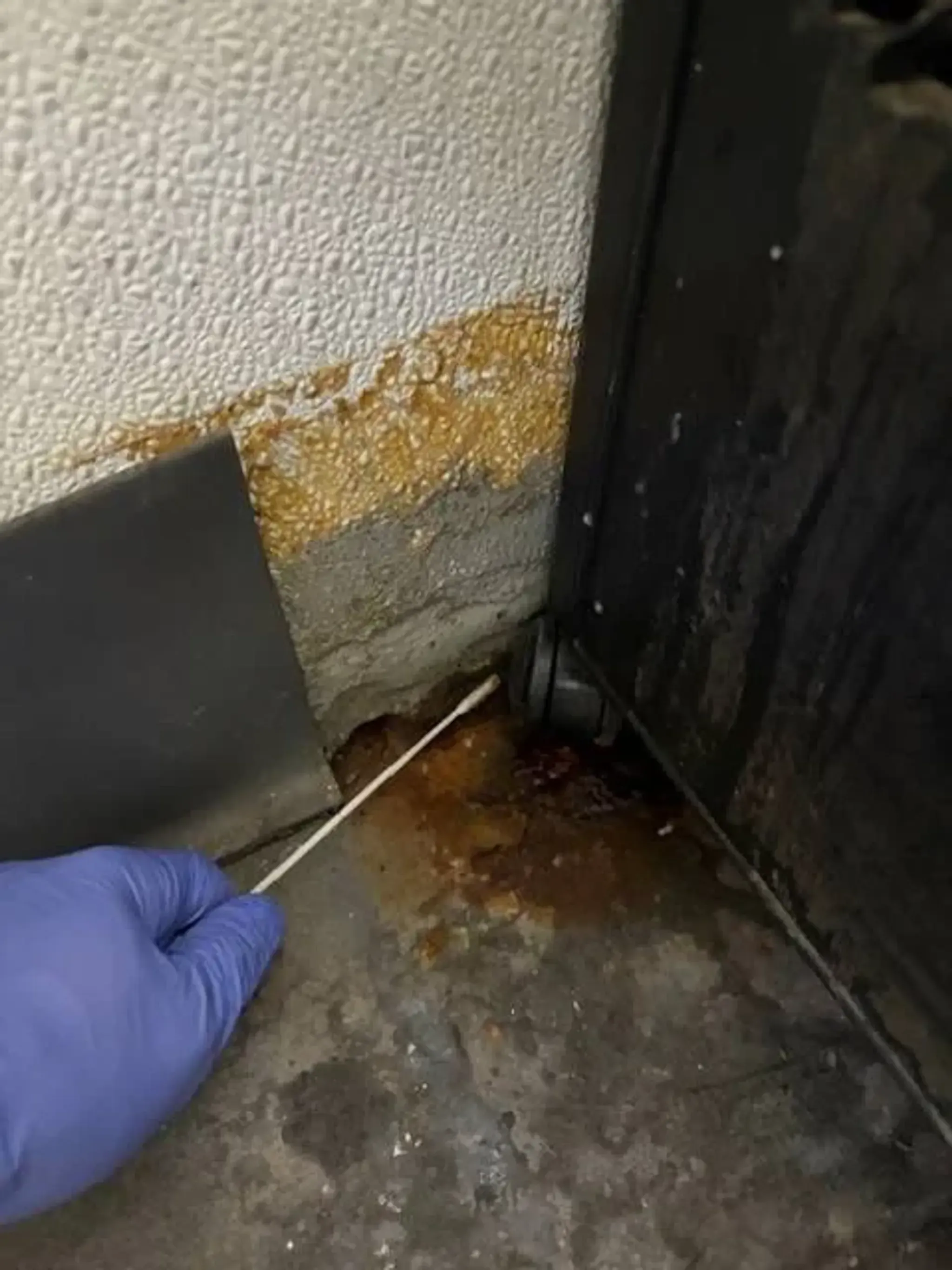
If you can see mold, this often causes worry about living conditions in Los Angeles. Still, getting a professional to check for mold can help your case. A person trained to look for mold can:
-
Find out the kind of mold that is there
-
Find mold that is behind walls or above the ceiling
-
Figure out where water is coming from, like pipes that leak or vents that do not work
An inspection report can give proof that is not based on personal feelings. You can use it when you ask for repair work. It also helps if you need to talk to your landlord about something, or make a complaint to the local office.
What Should Tenants Expect from Their Landlord?
After telling the landlord, tenants should think the landlord will act quick and do the right thing. In Los Angeles, this often means looking into where the moisture comes from and fixing the problem the right way, so it does not happen again.
The response should fit how serious the mold problem is and should make the place safe for people to live in again.
Timely Professional Repairs Based on Severity
Small mold problems can often be fixed with some cleaning and by keeping the air less damp. But if you see a lot of mold or it keeps coming back, you will need a professional to clean it up.
Landlords need to hire licensed remediation professionals when needed. These people use special ways to keep the mold from spreading. They follow industry rules, and fix water problems that are causing the issue. This is in line with what Los Angeles housing inspectors usually want.
Payment for Inspection and Remediation
In Los Angeles, landlords usually have to pay for mold inspection and cleaning. This happens when mold grows because of things like building problems, leaks, or problems with air flow in the home.
If there is mold because the people living there did not let anyone know about a leak, who is in charge might be different. Take time to read your lease. If you are not sure what your role is, talk to a group that helps people with housing or a lawyer who knows Los Angeles housing law.
What to Do if Your Landlord Is Non-Responsive
If the person you rent from does not get back to you, send a certified letter. In the letter, write down what the problem is and what you did before to let them know. Keep copies of everything you send.
In Los Angeles, people who rent homes can tell the local housing or health office if they still have mold issues that are not fixed. You can also talk to a lawyer who knows about renter rights. In some cases, you may not have to pay rent if the law lets you. You can also go to small claims court.
Seeking Compensation and Rent Adjustments for Mold Issues
Mold problems can lead to extra costs and health problems. Tenants may try to get lower rent or ask to be paid back for costs they have because of mold.
Negotiating for Rent Adjustments or Reimbursement
When mold starts to make a place hard to live in, tenants can ask for:
-
Medical bill reimbursement
-
Cleaning or repair costs
-
Payment for damaged belongings
Keep a clear record of your expenses and tell others about them in writing. Many problems are sorted out when good records are shown and people talk things over.
Seeking Legal Assistance if Necessary
If talks do not work out, you may need legal help. Lawyers for people who rent or groups that know Los Angeles housing enforcement can help keep your rights safe.
|
Situation |
Why Legal Assistance Helps |
|
Landlord refuses to address mold |
Legal pressure may compel compliance |
|
Serious health impacts |
Helps recover damages |
|
Retaliation by landlord |
Protects against unlawful eviction or penalties |
Conclusion
If you rent a place in Los Angeles, you need to know your rights about mold at home. There are rules in California to keep people safe and healthy. If you write down any mold problem, tell someone right away, and know when to get help, you can deal with mold the right way and stay safe.
If you think there is mold in your rental home in Los Angeles, you should talk to a professional. Also, make sure to take steps to protect your rights and your health.
For a broader understanding of tenant protections and legal options, see our essential guide to tenant rights for mold, which covers how these laws apply across different situations.
If you're dealing with an active issue, a certified inspection can help support your case learn more on our Los Angeles mold inspection page.
More Resources (Los Angeles & California–Relevant)
-
Los Angeles-area mold lawsuit coverage:
https://abc7.com/newport-beach-lawsuit-mold-apartment/14353315/ -
EPA Mold Basics (Federal Authority):
https://www.epa.gov/mold/what-are-ten-things-i-need-know-about-mold -
Implied Warranty of Habitability (Legal Definition):
https://www.law.cornell.edu/wex/implied\_warranty\_of\_habitability -
OSHA Mold Information:
https://www.osha.gov/mold
Related reading
Frequently Asked Questions
- What are Los Angeles tenants' rights when a landlord refuses to fix mold in a rental?
- Los Angeles tenants have the right to a habitable unit under California Civil Code 1941. When a landlord refuses to fix mold after written notice, tenants can repair and deduct costs up to one month's rent, withhold rent after proper legal steps, file a complaint with the LA Housing Department, or pursue a habitability lawsuit in LA Superior Court. A professional mold inspection report from Fast Mold Testing is the foundational evidence for each of these remedies.
- How long does a Los Angeles landlord have to fix mold after a tenant complaint?
- California law requires LA landlords to address habitability conditions including mold within a reasonable time after receiving written notice, which courts generally interpret as 30 days for serious conditions. For urgent health hazards, the timeframe can be shorter. If the landlord fails to act within the reasonable period, the tenant's legal remedies become available, and a dated mold inspection report from Fast Mold Testing is the key evidence.
- How much does a mold inspection cost in Los Angeles for a tenant rights case?
- Mold inspections in Los Angeles for tenant rights cases typically cost between $500 and $800 (more for extensive inspections). Fast Mold Testing starts at our transparent rate with results in 1 to 2 business days. The report documents the mold condition, moisture source, and health risk in a format that LA Housing Department inspectors, Superior Court judges, and tenant rights attorneys find authoritative and admissible.
- Can a Los Angeles tenant break a lease due to mold without penalty?
- Yes, under constructive eviction doctrine, an LA tenant can vacate and terminate a lease without penalty if mold makes the unit uninhabitable and the landlord fails to remedy the condition after proper written notice. This requires documentation that the condition was serious, the landlord was notified, and the landlord failed to act. A professional mold inspection from Fast Mold Testing combined with certified mail records of your notice is the evidence that makes this legal argument viable.