
Seattle Mold Inspection Checklist for Homeowners and Tenants
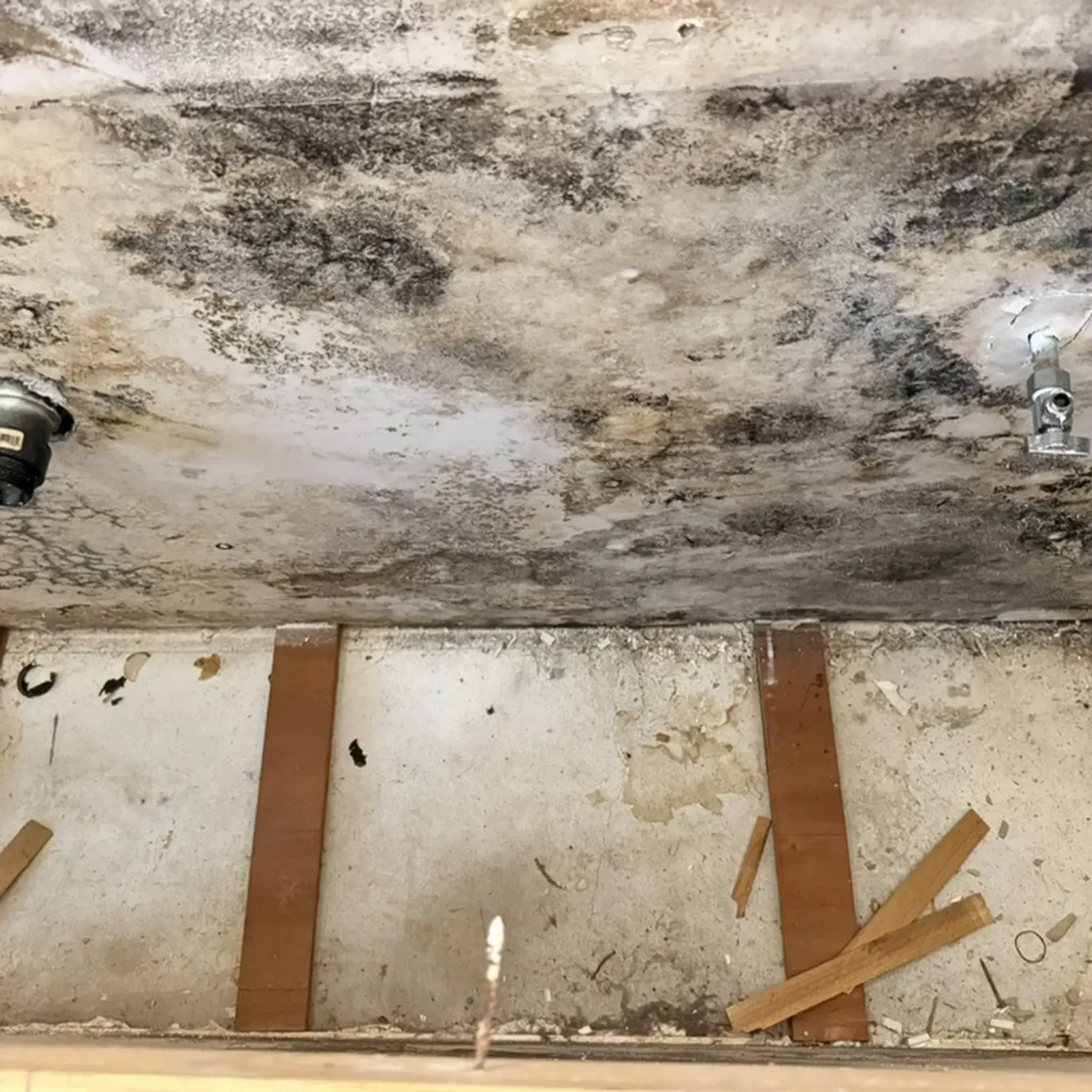
Living in Seattle means you get a lot of wet weather. Because there is so much rain and many old houses, the places under the floors can get damp. This makes it easy for mold to grow in your home without you knowing about it.
No matter if there is a small roof leak or it is just winter water on your windows, mold just needs a little water to grow behind your walls or in your closets. This checklist is here to help you see signs early, write down what is going on (this is very important for renters), and know when you should call the experts.
Key Highlights
-
Water causes most mold problems. Look for leaks, wet spots, and damp air first.
-
Dry any wet spots in one to two days if you can. This helps keep mold from growing.
-
If the mold has spread a lot, you need expert help.
-
In Washington, the state does not have a single mold license for cleanup. So, check the history or experience of the company before hiring.
Quick Triage: When to Stop and Call a Pro?
Pause your DIY checklist and call a professional if any of these are true:
-
There is an active leak, sewage backup, or flooding.
-
The affected spot is big, or many rooms have moisture locked in.
-
Mold shows up on more than 10 square feet.
-
You feel there is mold hidden after a lot of water leaks.
-
Someone in the home suddenly has bad asthma, strong allergies, or a weak body system.
For help with cleaning and moisture issues, the EPA's mold and moisture guide is a good place to look.
Before You Start: Two Golden Rules
-
Do not disturb it: When you see something fuzzy, leave it alone. Do not touch it, scrape it, or tear into the wall. If you mess with it, you will cause spores to spread all over your house.
-
Dry it fast: If you have a new leak, you only have about one or two days to dry the area completely. If you do not get it dry in time, mold will start to grow and become a bigger problem.
Step 1: Follow the Water
Mold does not show up on its own. It happens because there is water around. So, do not start by looking for spots. First, try to find the water that helps mold grow. Walk around your home and check for these signs.
-
Stains: Look for yellow or brown rings on the ceiling or baseboards.
-
Texture changes: See if the paint is bubbling, the wallpaper is peeling, or if the drywall feels soft when you touch it.
-
The Sniff Test: Smell for a musty and earthy odor. It can get stronger after a lot of rain or when the heat picks up.
-
Window Sweating: Look at the window glass for heavy water drops that run down onto the wooden sills.
Quick tip: If you sense a strong smell in one room, check the adjacent bathrooms and outside walls for water leaks.
Step 2: Check Seattle’s Most Common Problem Spots
Every place has its own things to work on. In Seattle, some problems need to be fixed first.
The Basement and Crawlspace
Look for white crusty powder on the concrete. This is called efflorescence. Look for damp insulation or a musty smell on your storage boxes, too. Go outside and see if your gutters are overflowing near the foundation.
The Bathroom
If your mirror stays foggy for over 10 minutes after you take a shower, it means your fan may not be working well. Look under the sink for bent cabinets. Also, feel if the floor around the bottom of the toilet is soft.
Behind Furniture
In the winter, many people put couches against cold walls. This can trap wet air and make mold form between the wall and the couch. Pull your furniture a few inches away from the wall and look at the corners.
Windows and Exterior Walls
In the winter, water can build up and drip on sills and wall edges. You should look at window corners, sills, and the drywall under windows.
Also, look at the outside corners of the walls behind your furniture. Air does not move in those spots. Washington DOH says mold grows a lot in places where warm, wet air meets cooler surfaces.
Kitchen and Laundry
Look under the sink. You can also check behind the dishwasher if you can, and around washer supply lines and drains. Slow leaks will often show up when the bottom of the sink is swollen, there are dark stains, or there is a smell that won’t go away.
If you have a stacked washer and dryer in a closet, look at the corners of the wall and the baseboards. See if there is staining or if things feel damp.
The Attic
Look around the hatch. Do you see damp spots or dark stains under the roof? These can be signs that there is a problem. If you find a bathroom fan that sends air into the attic and not outside, this can be a big warning sign.
Step 3: Decide if Professional Testing Makes Sense
You do not always need a lab test if you can see and smell mold. You may already know it is there if you notice it with your own eyes and nose. But getting a professional test can be helpful in some cases.
-
You rent and need proof for the person who owns your place.
-
You want to buy or sell a home and need a formal report for this.
-
You feel sick with asthma or allergies, but cannot see where the mold is.
-
You just finished cleaning and want to be sure the air is safe now.
Step 4: Document the Problem Clearly
If you live in a rented place or work with insurance, saying you saw mold is not enough. It helps a lot to keep good records.
-
Photos: Take one wide photo showing the whole room. Then, take a close photo of the spot you want to show.
-
Scale: Put a coin or a sticky note next to the mold. This helps people see how big it is.
-
Video: If you see water dripping, record a short video so people can see the leak happening.
-
Notes: Write down the date when you first saw it. Also, note if it gets worse when it rains.
Step 5: When to Hire a Professional
You can often clean up a small spot of mildew by yourself. Just use soap and water for this. But you should stop and call someone who is trained to do the work if any of these things are true.
-
The mold is in a space over 10 square feet.
-
There has been sewage coming in or a big flood.
-
The mold comes back after you clean it.
-
You think it is in the HVAC system or way back behind the walls.
Questions to Ask Before You Book
-
Will you do moisture mapping or just air sampling?
-
What tools do you use to find hidden moisture?
-
What will you put in the written report?
-
How do you choose if sampling is needed?
-
How soon will I get the report?
-
Do you only check, or do you also do cleanup?
-
If cleanup is included, are you licensed, bonded, and insured?
Washington does not need a special mold certificate for people who do this kind of clean-up work. The Washington DOH says you should see if the contractor you pick has the right license, bond, and insurance. You should also find out if they have ever had any problems or warnings before. When you look at cleanup companies, check if they have had extra training or taken classes, like getting an IICRC certification. The Washington DOH gives more ideas for you in hiring an indoor air contractor.
If the provider will be a home checker, you can find their license with the Washington DOL. Just use the license lookup.
Final Word
The main aim of a Seattle mold inspection is not only to spot the mold. It is to find where the water is coming from. When you stop the wetness, you also stop the mold.
If you want a pro to check things, Fast Mold Testing Seattle can help. You can check our Google Business page.
Frequently Asked Questions
- What should a mold inspection checklist for Seattle homeowners cover?
- A Seattle homeowner mold inspection checklist should include the attic for ventilation and moisture, crawlspace or basement for groundwater and condensation, all exterior-facing walls with moisture meter readings, bathroom exhaust fan function and ductwork terminus, HVAC drain pan and evaporator coil, window frames and sill areas for condensation staining, and any area with a history of plumbing leaks or water stains. Fast Mold Testing covers all of these systematically in every Seattle inspection.
- What should Seattle tenants check before signing a lease to assess mold risk?
- Before signing a Seattle lease, tenants should look for water stains on ceilings and walls, check under sinks for moisture damage or staining, open closets on exterior walls and smell for mustiness, ask the landlord about any history of water leaks or mold remediation, and if the unit has a crawlspace or basement, request access to check for visible moisture. If anything is suspicious, a pre-lease mold inspection from Fast Mold Testing at our transparent rate is the only way to get a definitive answer.
- How much does a mold inspection cost in Seattle for a homeowner or tenant?
- Mold inspections in Seattle typically cost between $500 and $800 (more for extensive inspections). Fast Mold Testing starts at our transparent rate with results in 1 to 2 business days. The inspection follows a systematic checklist protocol covering all major risk areas in Seattle's specific construction types and climate, producing a written report with location-specific findings and recommendations.
- How often should Seattle homeowners get professional mold inspections?
- Seattle homeowners should get a professional mold inspection after any water intrusion event, before listing or buying a home, and as a proactive measure every two to three years for homes in high-risk conditions like those with crawlspaces, older construction, or known HVAC condensation issues. Fast Mold Testing can establish a recurring inspection schedule appropriate for your specific Seattle property.