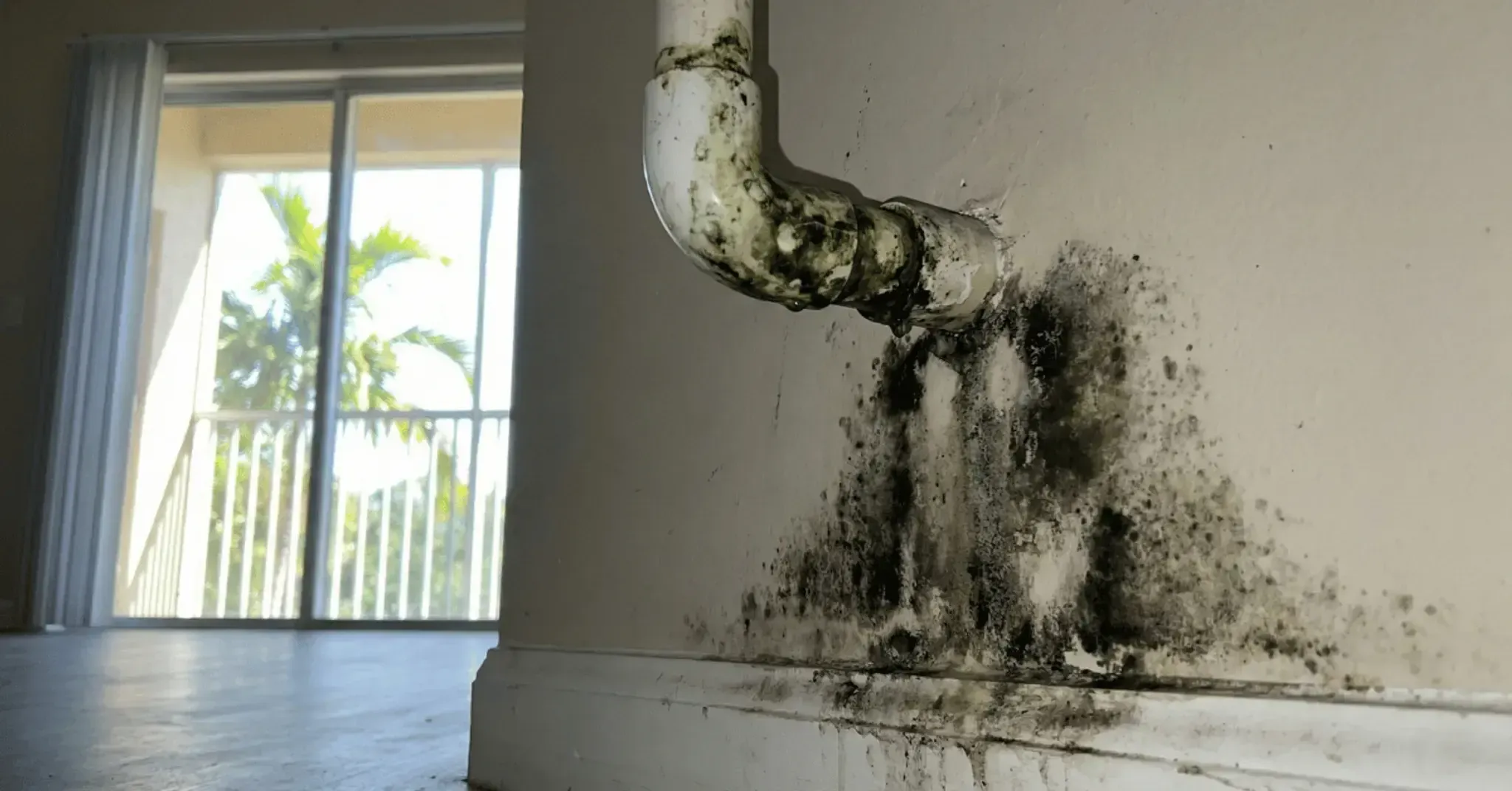

A property owner in Chicago owns a condo in Aventura. Her manager stays in Atlanta. The person renting the home sends a text about a damp spot under the bathroom vanity on a Thursday.
The manager writes down a work order. A plumber will come on Monday.
By Monday, the drywall has already been wet for four days. In this city, the average yearly humidity is about 73%. That is not a slow fix. That is a mold problem that now has four days to start growing.
This is not about people not trying hard enough. The real problem is the plan does not fit. A plan made in Atlanta or Denver does not work well in South Florida's weather. This gap between these plans and what South Florida needs can lead to high mold bills.
How Remote Management Creates a Mold Risk in South Florida
Managers who are not at the property use what tenants say, work orders, and slots for vendors. This system can work in places where there is not much risk if a small leak has to wait four days.
South Florida is not like that. The summer dew points in South Florida stay in the low 70s, according to the National Weather Service Miami. When dew points are this high, wall materials with tiny holes can take in a lot of water from the air, even when there is no leak. A wall that looks dry on Monday may still be wet inside for weeks.
What makes this feel worse for empty units is a strange trend that many remote managers do not notice. People think summer is the high-risk time. In South Florida, empty rentals can be at risk in late winter and early spring as well.
When owners turn up the AC to save on power costs, the air inside gets more humid. The AC runs less, so it does not remove as much water from the air.
A person in South Florida said in his site reports that some places looked good in October. By March, there was a lot of mold. The thermostat read fine. However, the walls had problems.
Three Spots Where Remote Management Gets It Wrong
The AC Condensate Drain
South Florida HVAC units take a lot of water from the air each day. The water goes out through a small PVC pipe. Because South Florida stays hot, algae grows inside the drain pan all year. If this pipe gets blocked, the water will build up. Then, it spills into the wall or ceiling above.
South Florida HVAC techs say that clogs in condensate drain lines are one of the most common problems they see here. A remote manager who gets a report about "water near the AC" will often send a handyman. A local manager will send an HVAC tech out the same day. That one choice can mean your cost is only $150, or it can lead to a ruined ceiling.
The Paper Backing Problem
When drywall gets wet, a phone can show a photo of the front painted side. That side has a coat and does not show damage right away.
The paper on the back of the drywall is not sealed. It is rough and has small holes in it. Mold can grow there first. You will not see it. This happens long before there is any mark on the front.
South Florida mold tests can find growing mold behind walls, even when you do not see any signs on the surface. A brown spot on the paint means the mold has already been there for weeks. When it gets to that stage, you cannot just clean it. It needs to be taken out.
The Check-and-Fix Trap
When a manager sees mold in a South Florida rental, the first action is usually to call a company and tell them to find it and fix it. In Florida, this is not allowed by law.
Florida Statute 468.8419 says that a company can't do both the mold test and the mold clean-up on the same job. Before 2011, companies would look at a home, give a long list of what needs to be done, and then get paid to do all of it. The law split these jobs to stop there from being a conflict. The company that gives the list of things to fix can't be the same one who does the work.
Remote managers who do not know this rule often miss the check step. The removal firm then decides what the job will be and takes out what they want. They also set their own price. The owner has nothing from outside to go back to and compare this work.
Two Financial Clocks Remote Owners Don't Know Are Running
South Florida has many seasonal and investment rentals in Fort Lauderdale, Aventura, Boca Raton, and Miami. A lot of these places sit empty for weeks or months. Managers from out of state take care of most calls each day.
When there is a water event in a vacant unit, and no one sees it for weeks, two money clocks start to run.
The first thing to know is the insurance notice window. Most homeowner policies in Florida ask for written notice to the insurance company within 14 days after you know about an event. A condensate line overflow that no one sees for a month, like when you are away from your home, can often make your claim get denied even before you spot the damage.
The second big problem happens in buildings with many units. A condo in a Broward or Miami-Dade high-rise is not closed off from others. A slow drain leak on the fifth floor can go through the floor and reach the unit below.
A neighbor's leak becomes your mold job. West Palm mold checks and condo board fights over water are among the most common property claims in South Florida. A remote manager tracking one work order has no plan for the multi-unit risk that follows.
Frequently Asked Questions
Why does South Florida mold grow faster than in other states?
It's not only heat. The dew points in South Florida stay high all year. The air by itself puts water on wall materials even when there is no plumbing leak.
In states where the weather is dry, wet walls dry by themselves between times when it rains. In South Florida, the air outside is damp, so walls can feel wet again even if they looked dry before. Mold will grow if the air in the home stays above 60% humidity for more than a day or two.
If my manager has a Florida license, am I still at risk?
Yes. A property management license does not ask for any training about climate or mold. A manager who has a license in Florida but works out of Georgia will follow Georgia rules unless they know a lot about South Florida. This license lets them handle property by law. But it does not check if they know about the climate risks in that area.
How does Florida law protect owners when mold is found?
Florida needs different licenses for mold inspection and mold removal. A company cannot do both jobs for the same project.
The company that makes the list of work should not be the company that does the removal. This means you must get a written plan from someone outside before removal starts. After you get the plan, you can use it to ask other companies for bids. If you skip this part, you will have no way to know if the removal is done right.
Can a tenant's delay in reporting shift the blame to them?
This does not happen often. Florida law says the owner has to fix things on the property. This is not the job of the manager or the person who lives there. If a person who lives in the property tells the owner about a problem, and that is put in words, and then the fix takes a long time, it is the owner's risk under the law. Courts in Florida say the owner cannot make someone else fix things just because the repairs are late or something goes wrong and it is not their fault.
What three questions should a South Florida owner ask their remote manager?
How often do they clean out the AC drain line? What is their written plan when there is water near an HVAC unit reported by a tenant? Who is the licensed mold expert they will call, who is not from the same company that removes mold, if it is found? A building manager who does not know the answer to all three has not made their upkeep plan with the real risks of South Florida in mind.
What This Blind Spot Costs
A remote manager is not a bad manager just because he or she works from a different state. A manager is not right for the job if their response plans only work for a dry or cold place. In South Florida, this is not helpful. The place needs fast answers to certain things like the condensate line, the split between check and removal, the 14-day notice rule, and mold that grows during the winter in empty units.
Have you had any problems with water at a South Florida rental in the past few months? A certified mold test tells you what is inside your walls. Getting this answer now costs a lot less than waiting until there is a claim from someone living there, trouble with the condo board, or your insurance is no longer good.
Frequently Asked Questions
- Why do out-of-state property managers create worse mold problems in South Florida rentals?
- Out-of-state property managers in South Florida often rely on local maintenance contractors who prioritize low cost over thorough moisture investigation. When tenants report mold, remote managers may authorize surface cleaning without an independent mold assessment, missing the underlying moisture source. South Florida's year-round humidity means unresolved moisture sources produce recurring mold within weeks, leading to escalating damage that in-person management would catch earlier.
- What responsibilities do out-of-state property managers have for mold in Florida rental properties?
- Florida law does not exempt out-of-state property managers from habitability obligations. Regardless of where the manager is located, they are legally responsible for maintaining Florida rental units free of mold caused by building defects or deferred maintenance. A tenant with a professional mold inspection report from Fast Mold Testing showing a building-source moisture problem has the same legal remedies whether the manager is in Miami or Minnesota.
- How much does a mold inspection cost for a South Florida rental managed by an out-of-state company?
- Mold inspections for South Florida rentals with remote management typically cost between $500 and $800 (more for extensive inspections). Fast Mold Testing offers transparent published pricing with results in 1 to 2 business days. The report documents the mold condition and moisture source in a format that can be sent electronically to an out-of-state manager as formal notice of a habitability condition requiring repair.
- Can South Florida tenants take legal action against an out-of-state property manager for mold neglect?
- Yes. Florida courts have jurisdiction over habitability claims against property managers operating in Florida regardless of where the management company is incorporated or based. A professional mold inspection report from Fast Mold Testing is the foundation of any such claim, establishing the condition, the moisture source, and the date of documentation that the manager was or should have been aware of.