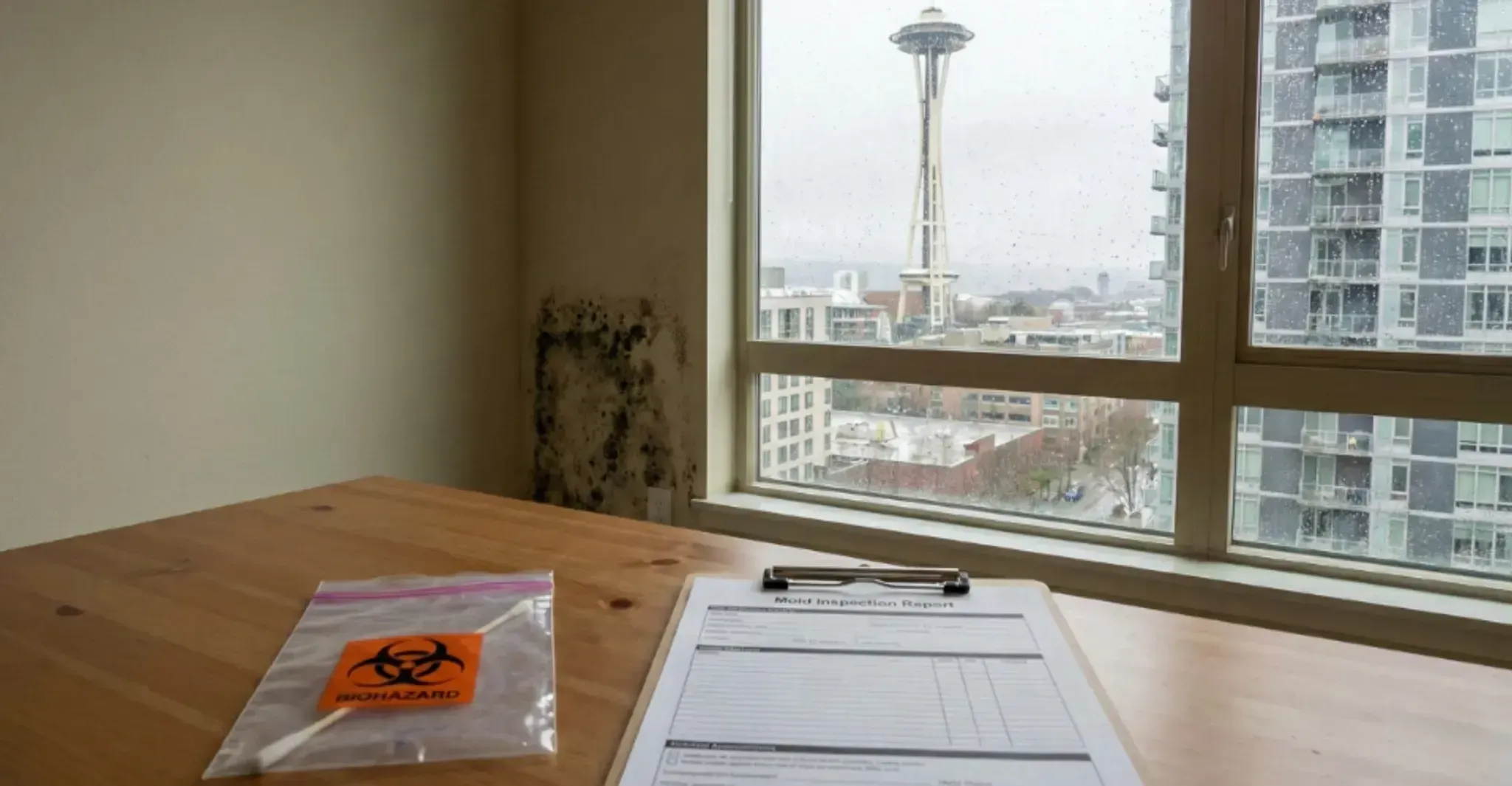

Seattle's weather causes many problems with mold. This is because there is rain and a lot of moisture in the area. The Pacific Northwest is known for having these issues, too. Because of this, there are the mold complaints between renters and owners all the time. When mold shows up in a rented place, people want to know who will have to pay to fix it. It is important to know what Washington State law says and how mold spreads to figure out who is responsible.
Washington's Habitability Law
The Residential Landlord-Tenant Act governs rentals in Washington[. This act is for places where people live, not businesses. There are some strict rules that you cannot ignore. The most important rule is that the place you rent must be safe and good for people to live in.
Landlord Duties
Landlords have to look after the building and all mechanical systems. The law says they must work to stop moisture problems by taking care of the building.
Weathertightness means keeping roofs, walls, and windows in good shape. This helps to stop most of the mold that comes from water getting in from rain or groundwater. A roof that leaks is not allowed.
Mechanical systems cover things like plumbing, heating, and air movement. These need to be in good shape. A bathroom fan that does not vent outside can cause water drops to form. This helps fungus to grow.
Since 2005, Washington has a Mold Disclosure law. This law says landlords must give new tenants a written handout from the Department of Health. The handout talks about health risks from mold and ways to stop it. If landlords do not give this handout, their side is weaker in arguments or disputes.
Tenant Duties
The law does not put all of the weight on landlords. Tenants have to keep the place clean and free of dirt.
In mold disputes, this rule is the main way for the owner to protect themselves. If the person living there does not turn on bathroom fans, leaves trash around, or puts furniture up against cold walls so air cannot move, they might be at fault. The law says that even strong buildings can get mold if people do not take care of the space inside.
Seattle Municipal Code
Within Seattle city limits, rules add more protections. Every foundation, roof, wall, door, and window must keep out weather, water, damp, and rodents.
The words "damp-free" are important. They let the Seattle Department of Construction hold landlords responsible for ongoing dampness before any mold can be seen. If landlords break this rule, they can get penalties of up to $2,500 each time they do it.
The Science of Mold Species
When there is a dispute, just looking is not enough. Landlords say mold comes from how people live. Tenants say it is from leaks in the building.
Lab analysis provides scientific evidence to help tell the difference.
Water Needs
Different types of mold need different amounts of water to grow. Water activity tells you how much free water is in something. The scale starts at 0, which means it is bone dry. It goes up to 1.0, which means it is pure water.
Primary colonizers can grow when there is not much water. They get the moisture they need from high humidity in the air or from water that forms on surfaces.
Tertiary colonizers need a lot of water. They have to be in something that is soaked with liquid water for a long time.
Penicillium and Aspergillus
Penicillium and Aspergillus be the most common molds that show up inside houses. A lot of lab reports put them together as Pen/Asp. Their spores look almost the same when you look at them close up.
The lifestyle signature is there because Pen/Asp are the first to take hold in a spot. They do well when there is not much water. They can live on just the water found in damp air. In a Seattle apartment, if the tenant does not use the bathroom fan or lets laundry pile up in the corner, the air gets more wet. When this wet air touches a cool surface like the outside wall, Pen/Asp spores start to grow.
A lab report that shows high Pen/Asp levels, but no other signs of water damage, can be a strong argument for lifestyle mold. This means the moisture in your place may come from the air. It is not likely from a liquid leak.
Stachybotrys
Stachybotrys chartarum is also called toxic black mold. This mold is not like most other molds. It needs a lot of water and grows on things such as paper-faced drywall.
The structural signature shows that Stachybotrys will not grow with just humidity. It needs something very wet for at least two or three days, and sometimes even more time. This almost never happens from just not using the shower fan. It most often comes from a plumbing leak, roof problem, pipe burst, or water getting in from the ground.
Stachybotrys spores are big, heavy, and stick to surfaces. They do not float around in the air easily. Even a small amount of these spores in the air sample is important. If you find 500 Pen/Asp spores, that can be normal. But, finding just 5 to 10 Stachybotrys spores can make people suggest full cleanup work. The mold usually shows there is old water damage in the structure.
Seattle Climate Challenges
Seattle gets about 38 inches of rain in a year. But it is how often it rains, not how much, that causes problems. Light rain and mist keep things wet for a long time. Walls on the outside that face southwest winds get wet again and again.
Homes from before 1985 may not have good vapor barriers. A lot of these homes keep single-pane aluminum windows from when they were first made. The windows can be cold and make spots where water gathers. After the war, builders used solid wood siding. There were no rain screen gaps. This keeps water close to the sheathing.
Seattle's weather brings the cold season and the rainy season at the same time. Inside, the temperature stays between 65 and 70 degrees. Outside, it is often in the 40s and 50s. This mix causes water to build up on the outside walls. The walls stay cool and cannot dry out before it rains again.
Testing Resolves Disputes
When a person who owns the place and someone who lives there do not see things the same way about what caused the mold, pro testing can give clear facts. This way, there will be proof for both sides.
Air sampling takes in spores from a space. A lab looks at the sample and finds out the type and number of spores that are there. The data helps us know if there is the same amount of spores as outside, or if there is more inside that shows a problem.
Surface checks with swabs or tape lifts show which type of mold is growing in a spot. If you see Stachybotrys on the bathroom wall, that means the plumbing is leaking. If you only find Pen/Asp by a window, that tells you there may be water from steam or moisture in the air because air does not move well.
Moisture mapping with meters can help you find hidden water in walls. When the readings are above 16 to 20 percent, it means there are conditions that help things grow. A camera that shows hot and cold can help you see cold spots, and these are the places where water gathers.
Protect Your Rights
Seattle mold disputes need you to know about the law and how mold works. Washington's Act sets out what both sides must do. A lab can tell if the mold is from the way you live or from the building itself. Pen/Asp shows there may be problems with humidity and air flow. Stachybotrys means there is water damage in the building that needs fixing right away.
Pro testing gives clear proof. This helps fix problems before they need to go to court. It uses air sampling, ID of what is in the air, and shows where there is water. These steps keep both landlords safe from false claims and protect tenants from harm.
Schedule a pro mold inspection with Fast Mold Testing for lab tests. The test shows if the mold is from how people live or if it hurts the house. This will give you papers that back up your side under Washington law.
Related reading
Frequently Asked Questions
- How can a mold inspection lab report help resolve a Seattle landlord-tenant dispute?
- A mold inspection lab report from Fast Mold Testing gives both parties objective data: spore counts, mold species, moisture readings, and a moisture source finding. When a landlord claims the tenant caused the mold and the report shows the moisture source is a building system failure, that finding resolves the dispute with evidence rather than argument. Courts and arbitrators in Washington State treat certified lab reports as authoritative.
- What should Seattle tenants document before getting a mold inspection for a landlord dispute?
- Before scheduling a mold inspection in Seattle, tenants should photograph all visible mold, document any prior complaints to the landlord with dates and methods of notice, keep records of any repairs or responses the landlord made, and note when symptoms or odors began. This timeline combined with the inspection report from Fast Mold Testing creates a complete evidentiary record for a Washington State landlord-tenant dispute.
- How much does a mold inspection cost in Seattle for a landlord-tenant dispute?
- Mold inspections in Seattle for landlord-tenant disputes typically cost between $500 and $800 (more for extensive inspections). Fast Mold Testing starts at our transparent rate with results in 1 to 2 business days. The report includes moisture source identification, lab results, and inspector credentials that Washington State court commissioners and arbitrators recognize as a credible basis for a habitability finding.
- Can Seattle landlords require tenants to use the landlord's chosen mold inspector?
- No. Seattle tenants have the right to hire their own independent mold inspector. In fact, using an independent inspector like Fast Mold Testing is strongly recommended in a dispute because a landlord-appointed inspector has an inherent conflict of interest. Washington State courts give more weight to independent inspection reports when adjudicating landlord-tenant mold disputes.