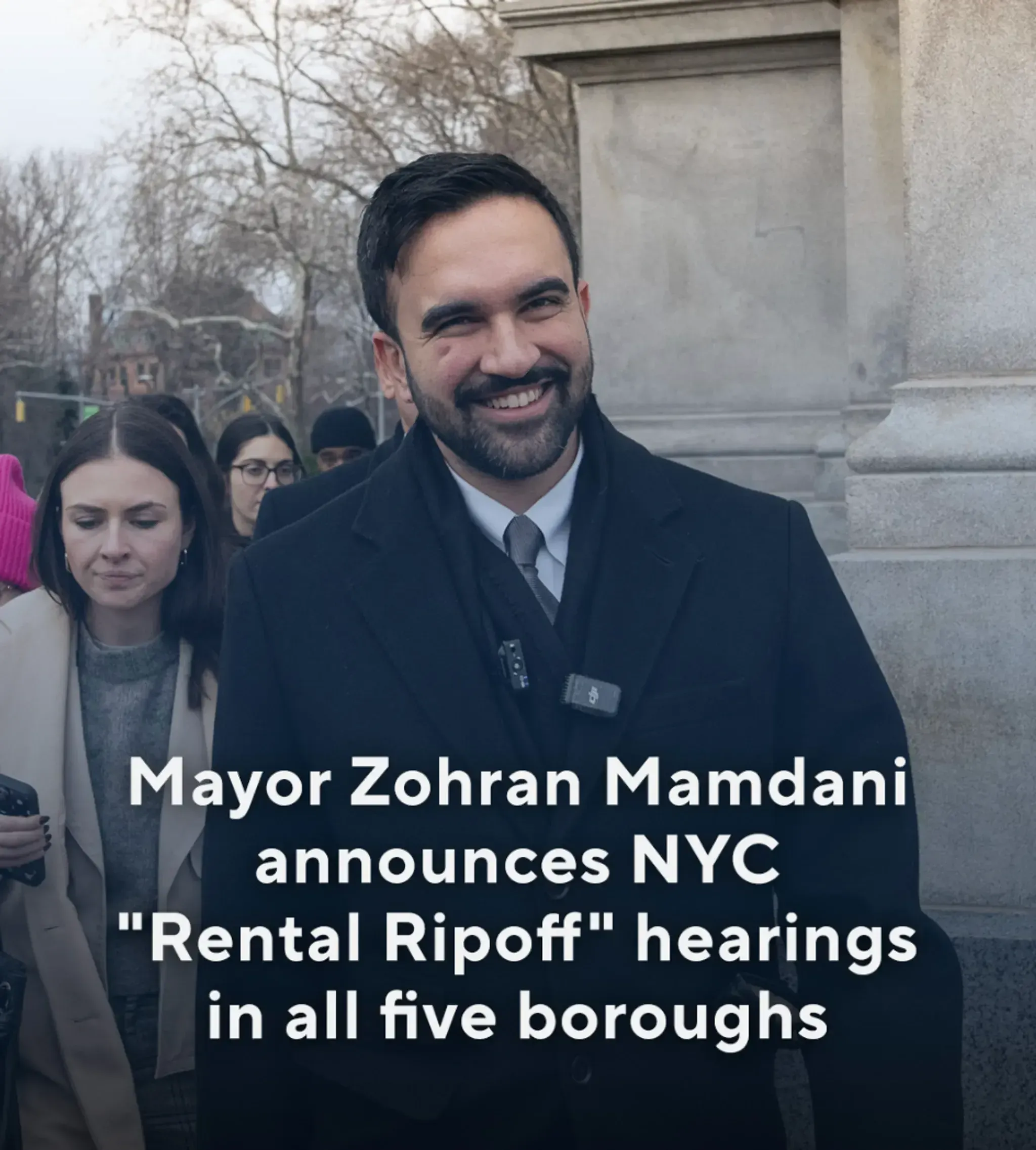

On his first day at work, New York City Mayor Zohran Mamdani made a big promise to people who live on rent. He was inside a rent-stabilized building in Brooklyn. He said the city will no longer have to bear dangerous apartment conditions. The city will pay more attention to these problems. This NYC Mamdani Tenant rental crisis is now pushing housing safety into the spotlight.
The headline case was legal. City Hall said it would join the bankruptcy case with Pinnacle Realty, a company that the city said causes a lot of housing problems and has many complaints from people living in its many buildings. The mayor also brought back the Mayor’s Office to Protect Tenants and put it in charge of acting faster when renters say they are unsafe or living in miserable conditions.
For many people in New York, this is not just some made-up story. It is a real-life nightmare. They wake up and see a leak. They smell wet drywall. They watch as the problem gets worse and feel like requests for help get ignored. Mold is one of the things that can turn “bad upkeep” into a big health problem. It can also lead to a legal fight in court.
Prospect Lefferts Gardens Mold Issues: What Happened at 85 Clarkson Avenue
The mayor spoke at 85 Clarkson Avenue in Prospect Lefferts Gardens. This is a building where the people who live there threatened the landlord that they would stop paying rent. In videos and reports about the visit, several tenants talked about how things have been falling apart for many years. They said there are broken floors and water pipe problems.
In the clip from the building, people who live there also talk about leaks and wet, moldy walls. This is important because water damage is not only about how something looks in old NYC buildings. When water stays around, mold can grow behind the walls, under the floors, and near bathrooms and kitchens.
At the press event, the administration called the Pinnacle situation a test case. City Hall said it will act quickly to help tenants. It also said it will work to make living conditions better by getting involved in the bankruptcy process. The mayor’s office said this is the first time they are taking a step like this for renters.
Why Mold Shows Up in NYC Housing Fights
Mold often follows the same pattern: a pipe drips, the ceiling gets stains, and the bathroom fan does not let out air well. A person who lives there cleans the mold on the surface, but the source of the problem stays. Weeks become months. The air feels thick. Asthma and allergies get worse. The person who owns the place may cover up spots with paint, but the wet spots come back in no time again.
Mold can hide in one apartment. In buildings where there are many repeat leaks and repairs are slow, it is not a surprise to see mold growing. That is the reason tenant unions often bring it up when they talk about buildings that do not get the needed maintenance.
Mold is practical evidence against a lack of maintenance by the landlord, which is why the administration is taking it into account. If the city wants to go after "bad landlords," it has to consider practical evidence, not just normal clash stories between owners and tenants.
For landlords who want to do the right thing, it is important to spot these problems early. If they ignore damp or wet areas, they will not save money. In fact, over time, it can cause rotting walls, make the property lose value, and even lead to legal trouble.
The NYC Rules That Make Mold a Legal Issue
New York City does not see mold as a small problem.
Local Law 55 says the people who own buildings with three or more apartments must keep every apartment free of mold and pests. They also need to fix the problems that make mold and pests come back. What matters most is fixing the reason why it keeps happening. Just wiping away mold is not enough. You must also fix things like leaks, damp areas, or air flow problems that keep letting mold and pests grow in the first place.
HPD also sorts problems by how serious they are. Mold is often seen as an “immediately hazardous” problem, and that means action must be taken soon. In simple words, the person who owns your place cannot wait for months to fix things and think there will be no problems for them.
This is where the Pinnacle is facing the law and order situation to set an example by the administration that no one is above the law. By going to court, the City is delivering the message that landlords cannot get away from their maintenance responsibilities even if they are going bankrupt.
What The Pinnacle Bankruptcy Move Signals
Bankruptcy can make it hard to hold the landlord accountable. People still live in the buildings. Things keep getting worse. At the same time, owners, lenders, and courts argue about who is in charge and who needs to pay. This back-and-forth blaming session is where minor problems are ignored and become bigger issues.
When the city says it will step in, the administration wants to do two things at the same time.
First, it wants to make sure that tenants are not forgotten while it is figuring out who owns the place.
Second, it wants to make sure the basic building things do not get worse while the accountability process goes on. This covers heat in the place, the water pipes, bugs, and water problems that can cause mold to show up.
For other landlords, the message is simple. If your buildings keep getting complaints and violations, you need to know that things need changing. The city is now watching closely and doing more to enforce the rules. Saying “We will handle it another time” is not safe now, especially when the city is looking for signs that people are not taking care of their buildings.
What Tenants Can Do Right Now If Mold is Part of The Problem
If you have mold in an NYC apartment, you need to put the problem in writing. It should not just feel real where you live, but also be real on paper.
-
Document clearly: Take dated photos and short videos of any mold, water stains, peeling paint, walls that bubble, and any leaks you see. Write down the date you first noticed each problem. Be clear about where you see it.
-
Notify in writing: Contact the person who is in charge, such as the owner or manager, by email or certified mail. Tell them the location and exactly what you see. Ask them to fix the main cause, not just to clean it up.
-
Escalate: If they are slow to act or do not seem to care, file a 311 complaint and schedule an independent test. A complaint makes a city record, and an independent test gives valid proof.
If you notice signs that seem to be caused by damp air or mold, pay close attention to them. Mold does not cause the same things for all people, but it can make asthma and allergies worse. It can also cause trouble with breathing, especially for people who are more likely to feel it. If you are worried, you should speak to a doctor. You can also write down when your symptoms start.
When Professional Mold Testing Helps
There is a major difference between saying, "We saw a stain," and saying, "We can show what is in the air and what is moving it."
A mold inspection nyc report can help fix real problems you may have:
-
It Gives Legal Proof: In bankruptcy hearings or HPD hearings, people need real proof, not just words. A report from a certified lab is strong evidence that can be used in court.
-
It Finds Hidden Sources: It can find where moisture is coming from, even if you can’t see it. This includes slow leaks behind your wall or dampness that stays in a bathroom with bad airflow.
-
It shows Surface or Structure: It helps you know if the problem is on the surface or a bigger problem that is inside the walls and may need a bigger fix.
If you need testing, pick a professional who pays attention to finding and recording the problem, not just making quick promises. The goal is to know what is wrong so the repair plan can really fix it.
What Happens Next
There are two timelines to watch.
One thing to think about is the legal timeline. If the city follows the bankruptcy court case, this case could set an example that even in bankruptcy, the owner cannot get away with the law easily. It could also show how much the city can do to push things during this time.
The other thing to look at is the enforcement timeline. The Office to Protect Tenants is back. This shows that the city wants faster work between city agencies when people who rent tell them about unsafe places to live.
Don't leave your health to chance.
Don't wait for a bankruptcy court to help you with your building. If you think there is hidden mold, you need to get proof now. Schedule a certified inspection with Fast Mold Testing, a new york mold specialist, and get a report that landlords and the city cannot ignore.
FAQs
Does NYC require landlords to fix mold?
Yes. If there are three or more apartments in the building, Local Law 55 says the owners must keep the apartments free of mold. They also need to find and fix what is causing the mold.
Can HPD issue violations for mold?
Yes. HPD can give out violations after they do inspections or get complaints. Mold is seen as a serious issue that can be dangerous right away. This can help speed up how fast people work to fix it.
Why do leaks and mold keep coming back?
This happens because the main moisture problem is still there. If the repair is only on the top and does not fix the leak, humidity, or airflow issue, the growth can come back.
Many of these complaints come from hidden moisture issues see our NYC mold hotspots in apartments guide to understand where mold typically forms.
In many cases, escalation only happens after testing learn how NYC air quality lab results can strengthen tenant complaints.
Frequently Asked Questions
- How are Mamdani's actions against negligent landlords affecting NYC mold enforcement?
- Mayor Mamdani's focus on negligent landlords has led to increased scrutiny of HPD violation records, faster escalation of repeat offenders to housing court, and more public attention on false certifications of correction. For tenants with mold complaints, this means a well-documented inspection report from Fast Mold Testing is now more likely to trigger meaningful enforcement action than it was in previous years.
- What mold safety complaints are NYC tenants raising most frequently right now?
- The most frequent NYC tenant mold complaints involve landlords painting over mold without fixing moisture sources, false HPD certifications of correction that do not reflect actual repairs, mold returning within weeks of a claimed fix, and landlords claiming small patch sizes to avoid the 10-square-foot licensed assessor requirement. All of these complaints are strengthened by independent inspection reports with moisture data.
- Can NYC tenants use current political pressure on landlords to get faster mold repairs?
- Yes. With increased political pressure on NYC landlords, a formal written notice citing Local Law 55 and HPD complaint rights, accompanied by a professional mold inspection report from Fast Mold Testing, sends a strong signal that the tenant is prepared to escalate. Many landlords are now more likely to respond quickly to avoid HPD scrutiny and housing court exposure.
- How much does a mold inspection cost in New York City for a tenant pursuing enforcement against a negligent landlord?
- Mold inspections in NYC for enforcement actions against negligent landlords typically cost between $500 and $800 (more for extensive inspections). Fast Mold Testing offers transparent published pricing with results in 1 to 2 business days. The report provides the moisture data, lab results, and source documentation that HPD inspectors, housing court judges, and tenant rights attorneys need to build a binding repair case.