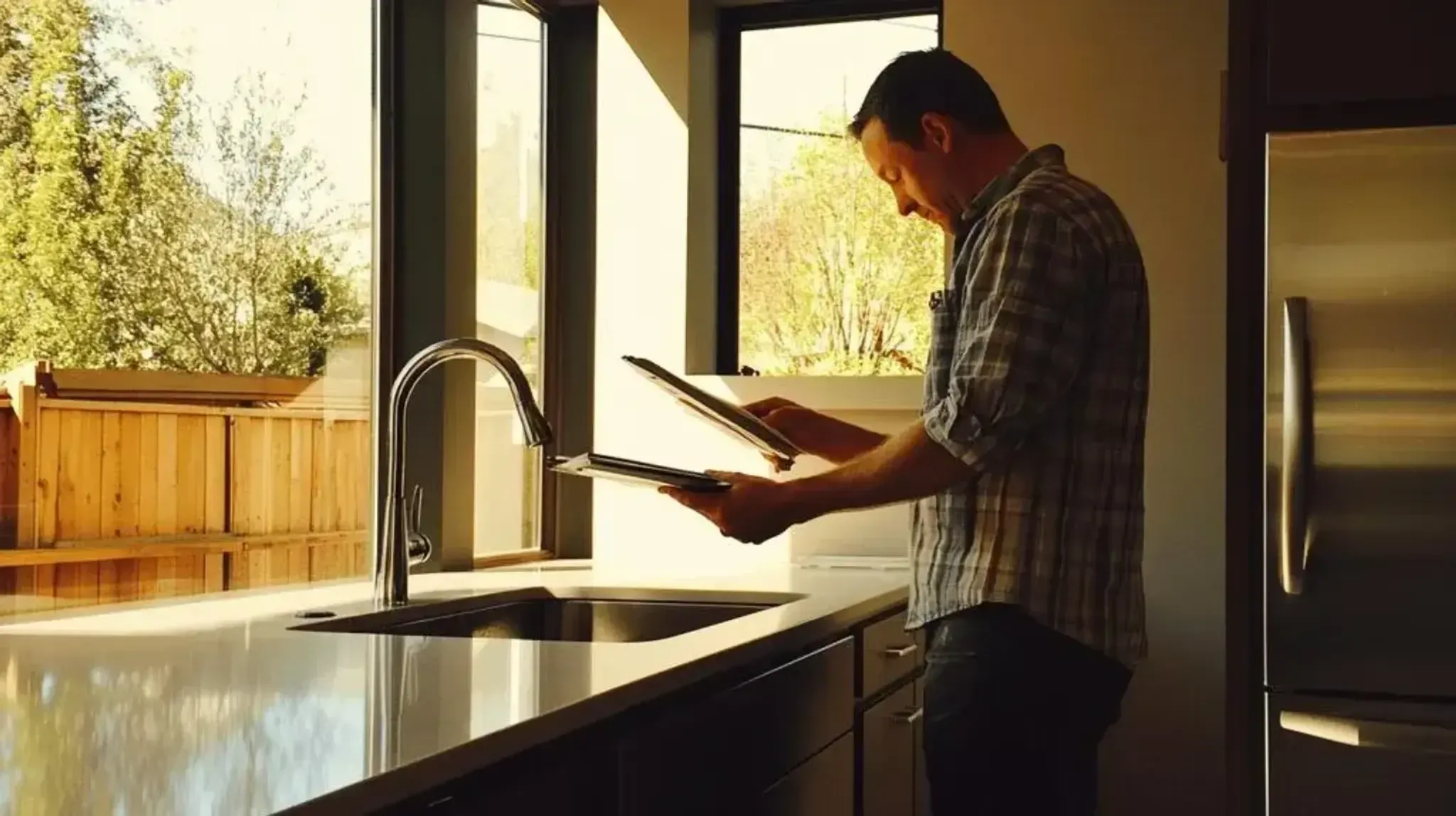

Mold is a common issue in homes and buildings, often growing unnoticed in damp, humid environments. While professional mold inspections provide in-depth analysis, many homeowners and renters opt for DIY mold testing to get an initial assessment.
But how reliable are these methods, and when should you consider a professional inspection? This article explores the various DIY mold testing techniques, their advantages and limitations, common criticisms, and the key differences between DIY testing and professional inspections.
DIY Mold Testing Techniques
DIY mold tests fall into two main categories: air sampling and direct surface sampling.
Air Sampling Tests
These tests assess the presence of airborne mold spores, which may indicate the presence of mold growth, and are often the main concern for indoor air quality.
Spore Trap Air Sampling
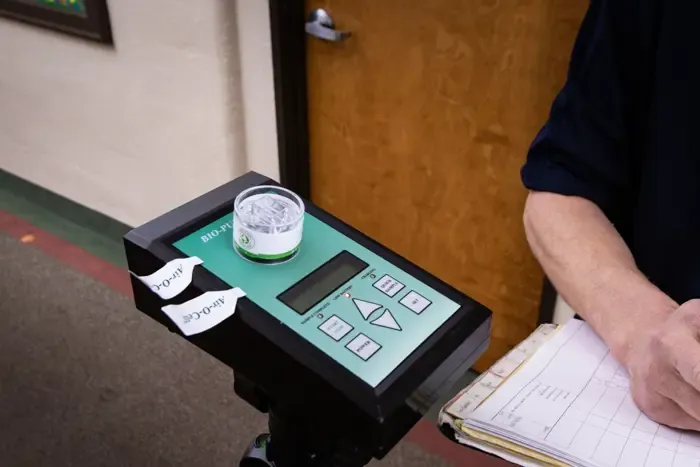
How it works: A pump or passive collection system draws in air, trapping mold spores on a sticky slide or filter. The sample is then sent to a lab for microscopic analysis.
Best for: Assessing mold levels in indoor air compared to outdoor air.
Limitations:
-
Results can be highly variable depending on air movement, sampling location, and outdoor air conditions.
-
In open rooms without a controlled sampling method, spore levels may be diluted, leading to underreporting of mold presence.
-
Without a control sample from an unaffected area, it is difficult to determine whether detected mold levels are elevated compared to normal background levels.
-
Short sampling times can miss intermittent mold releases, leading to misleading results.
-
Does not identify the source of mold, only its presence in the air.
ERMI (Environmental Relative Moldiness Index) Test
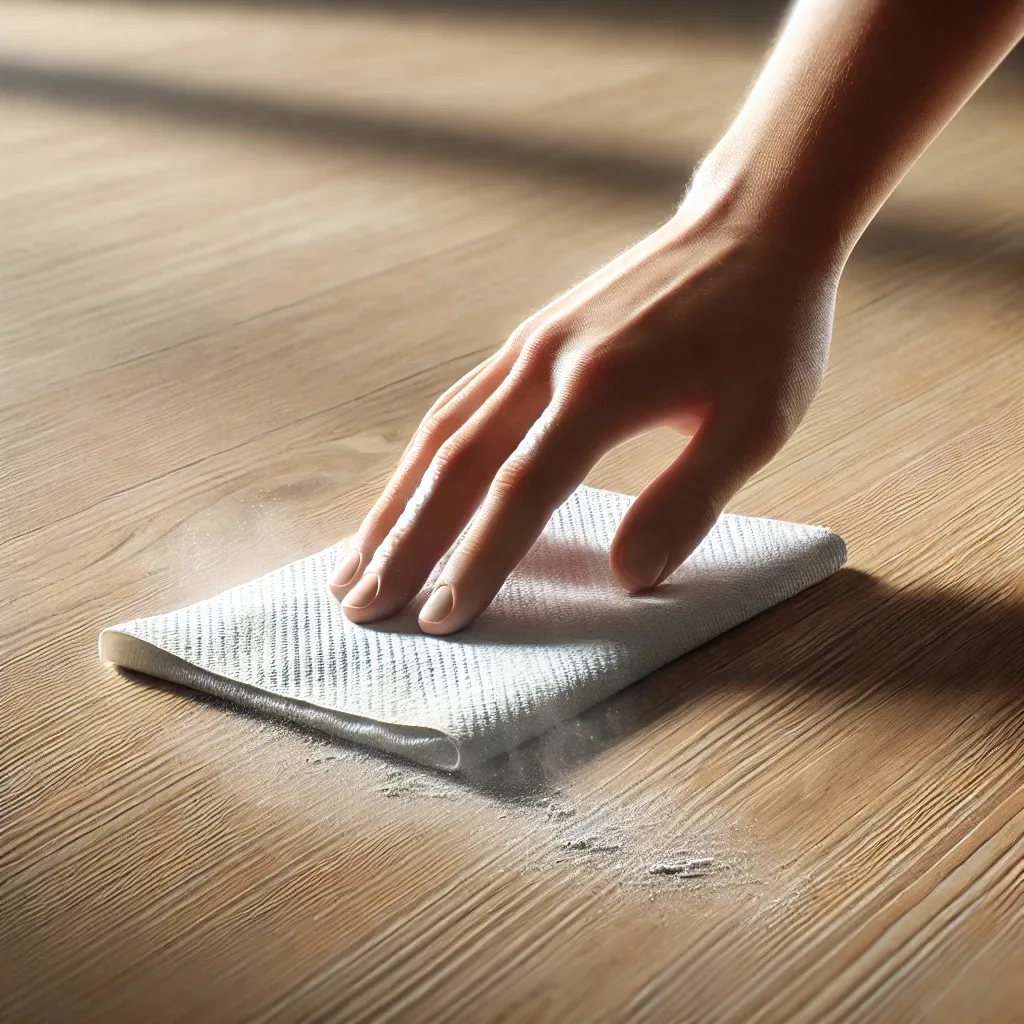
How it works: A dust sample is collected from surfaces and analyzed using DNA testing to identify mold species.
Best for: Providing a comprehensive mold risk score for a home.
Limitations:
-
Requires professional lab testing, making it more expensive than other DIY options.
-
ERMI testing can cost anywhere from $200 to $800, which is often more expensive than hiring a professional mold inspector who can provide a more thorough assessment and recommendations.
-
Due to its high cost, ERMI testing is generally only recommended for specific cases where DNA-based identification is necessary.
Culture-Based Air Sampling (Petri Dish Test)
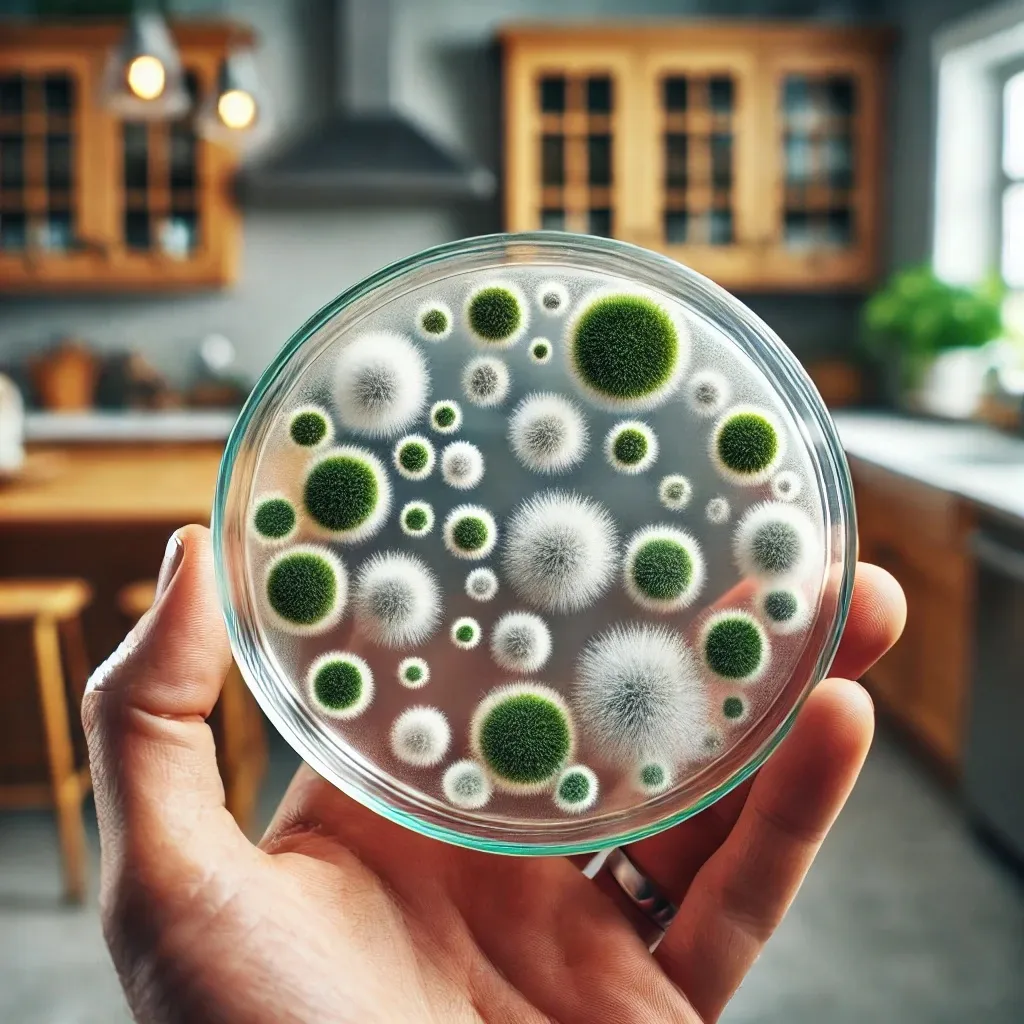
How it works: A petri dish with a growth medium is left in an area to capture mold spores from the air. The dish is then incubated to allow colonies to grow.
Best for: Identifying mold species that can grow in culture.
Limitations:
-
Does not detect non-viable (dead) mold spores, which can still cause health problems.
-
Underestimates mold contamination since many mold species do not grow well in artificial culture conditions.
-
Highly unreliable for air quality assessments.
-
Results can be misleading, as mold spores settle inconsistently in the dish.
-
Not recommended for serious mold investigations due to its significant inaccuracies.
Direct Surface Sampling Tests
These tests assess mold directly from surfaces rather than the air, helping to confirm visible mold and determine contamination levels.
Swab Sampling
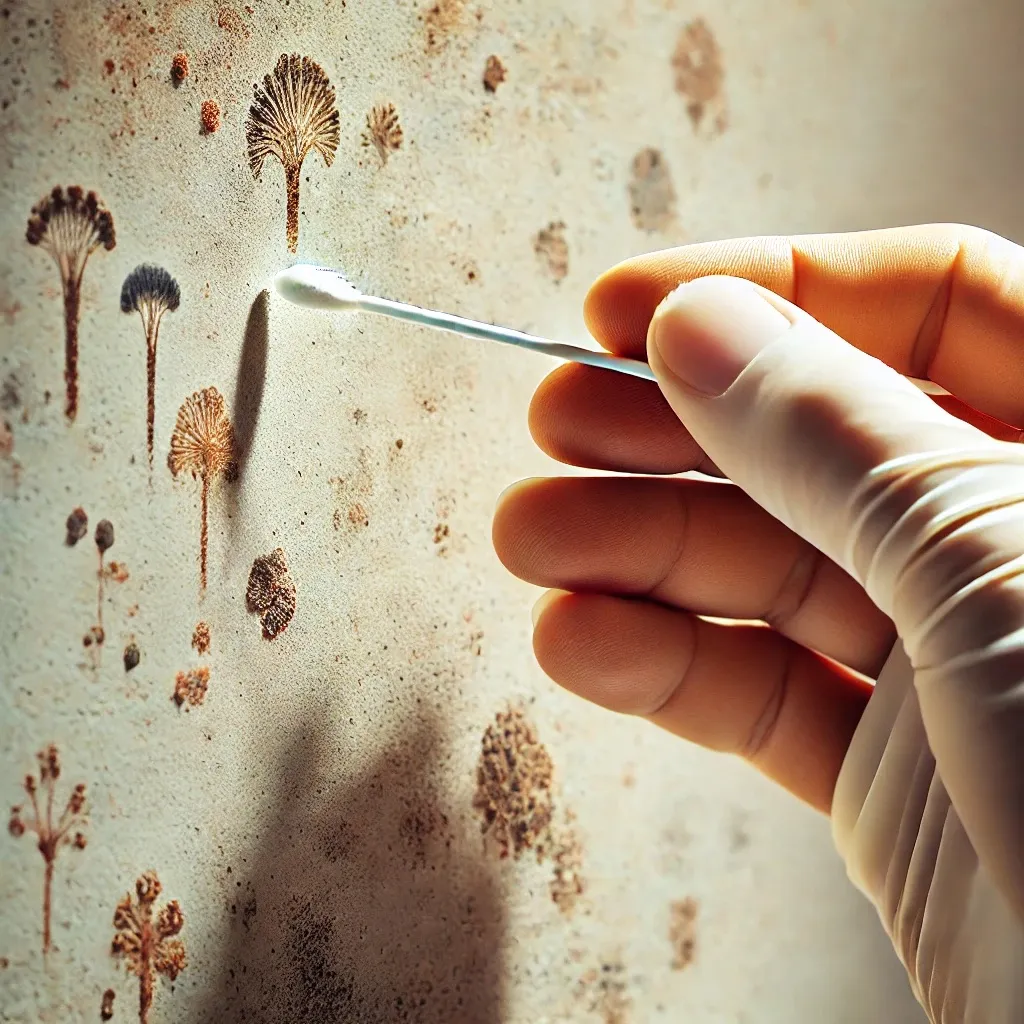
How it works: A sterile swab is rubbed on a suspected moldy surface and placed in a sealed container for lab analysis.
Best for: Confirming visible mold presence and identifying spore types.
Limitations:
-
Like tape sampling, it does not assess airborne mold levels.
-
Less effective for porous materials where mold growth extends below the surface.
Tape Lift Sampling
How it works: A clear adhesive tape is pressed against a suspected moldy surface to collect spores. The tape is then placed on a microscope slide or sent to a lab for analysis.
Best for: Confirming visible mold presence and identifying spore types.
Limitations:
-
Does not provide information on airborne spores.
-
Cannot determine the extent of contamination beyond the sampled area.
-
In-effective for porous materials where mold growth extends below the surface.
-
May not be able to test difficult to reach areas.
Bulk Sampling
How it works: A physical piece of material (e.g., drywall, carpet, insulation) containing mold growth is removed and sent to a lab for analysis.
Best for: Determining mold growth extent in building materials.
Limitations:
-
Requires destruction of a portion of the material.
-
More expensive than tape or swab testing.
-
Lab testing is required for accurate species identification.
Benefits of DIY Mold Testing
While DIY testing has its drawbacks, it remains a viable option for those unable to afford professional mold inspection.
✅ Affordable & Accessible: DIY tests are much cheaper than professional inspections, making them an easy first step for homeowners and renters.
✅ Quick & Convenient: Many DIY kits provide results within a few days, allowing for rapid decision-making.
✅ Good for Preliminary Screening: DIY tests can help determine whether further investigation or professional intervention is necessary.
Criticisms of DIY Mold Testing
While more accessible, DIY mold tests still have major drawbacks that professional mold inspection does not.
❌ Mold Is Everywhere: Mold spores naturally exist in indoor air, so detecting some spores without professional interpretation does not necessarily indicate a problem.
❌ No Source Identification: DIY tests don’t pinpoint moisture sources or hidden mold growth, professional inspection is often still required.
❌ No Legal Standing: Results from DIY kits often do not hold up in legal disputes, rental disputes, or insurance claims.
DIY vs. Professional Mold Inspection: Key Differences
|
Feature |
DIY Mold Testing |
Professional Mold Inspection |
|
Cost |
$40 - $300 |
$450–$800 (more for extensive inspections) |
|
Accuracy |
Limited |
High |
|
Type of Testing |
Surface or air sampling |
Comprehensive assessment, including thermal imaging and moisture detection |
|
Interpretation |
Self-interpreted |
Expert analysis and recommendations |
|
Legal Use |
Not accepted |
Used in real estate, insurance, and legal cases |
|
Risk Assessment |
No health risk evaluation |
Identifies health risks and mold toxicity |
|
Hidden Mold Detection |
Limited |
Extensive, using specialized tools |
When to Choose Professional Mold Inspection
😷You experience persistent mold-related health symptoms (allergies, asthma, respiratory issues).
🫥 You suspect extensive or hidden mold growth.
🤝 You’re involved in a real estate transaction or insurance claim.
😤 Past remediation efforts have failed to resolve the issue.
🕵️ You suspect toxic mold (e.g., Stachybotrys, commonly called black mold).
Conclusion
DIY mold testing can be a useful first step in identifying potential mold issues, but it has limitations in accuracy, interpretation, and risk assessment.
For serious mold concerns, professional inspections are always the best option to ensure accurate identification and remediation guidance. At Fast Mold Testing we provide the independent, lab-verified mold inspection and testing service with results in 1-2 business days.
If you’re looking for a reliable, easy-to-use DIY mold testing kit, consider our DIY Surface Mold Test Kit, designed for simple and accurate surface mold detection.
Need expert advice on your mold situation? Feel free to reach out for a consultation!
Phone: (415) 233-6918
Frequently Asked Questions
- Are DIY mold test kits from hardware stores accurate enough to make decisions?
- DIY mold test kits from hardware stores may give wrong results because the settle plates almost always grow things no matter what is going on. A pro will check the air in your home with tested tools and will look at the outside air too. This gives you a better way to see what is really in your home.
- When should I stop trying DIY mold testing and hire a professional inspector?
- Get help from a professional if the mold is spread over more than 10 square feet. You should also call someone if it comes back after you clean it, there is a strong musty smell you can't find, or you need proof for a landlord problem, a real estate matter, or an insurance claim.
- How much money can I save with DIY mold testing compared to a professional inspection?
- A DIY mold kit costs between $10 and $50. Lab fees are around $30 to $75. A DIY kit will tell you if there are spores in the air, but that is all it can do. A professional inspection from Fast Mold Testing is priced by city; see the local starting price on your city page. A pro will find out where the moisture comes from and give you a full report. This report helps stop bigger problems later on and saves you money by fixing the real issue.
- Can I use a DIY mold test result to get my landlord to fix a mold problem?
- It is not likely that a DIY mold test will help you with your landlord because most property managers want a report from someone with a license who tests for mold. This report needs to have lab samples, readings of moisture, and information on where the mold comes from. Only a pro inspection can give you all this.